Typhochlaena seladonia (Brazilian Jewel Tarantula) & Pro Setup
Typhochlaena seladonia (Brazilian Jewel Tarantula)
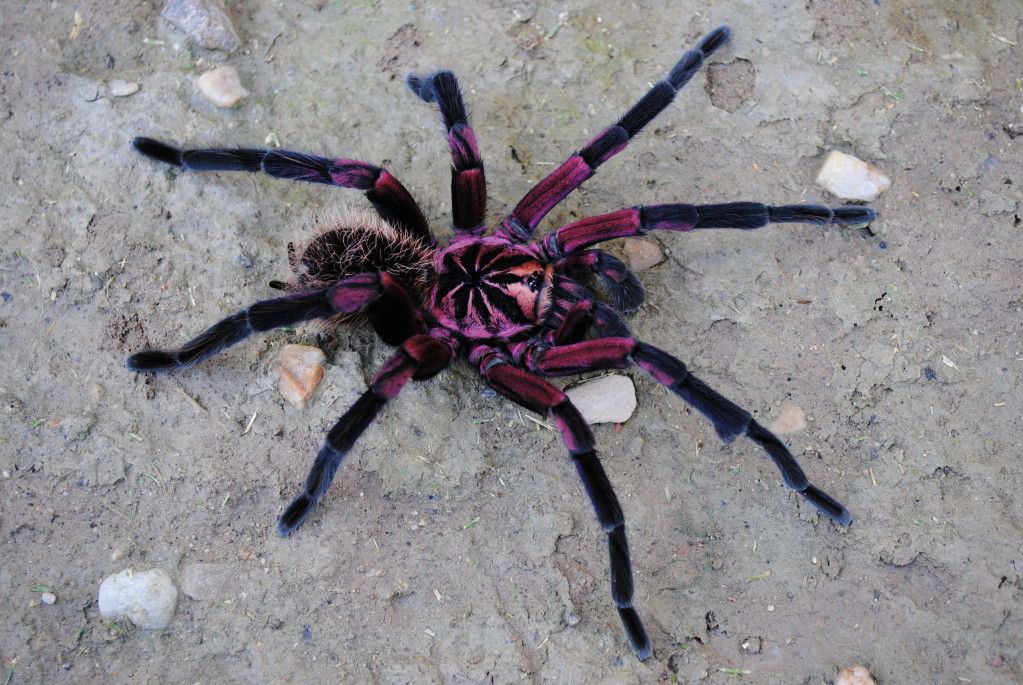
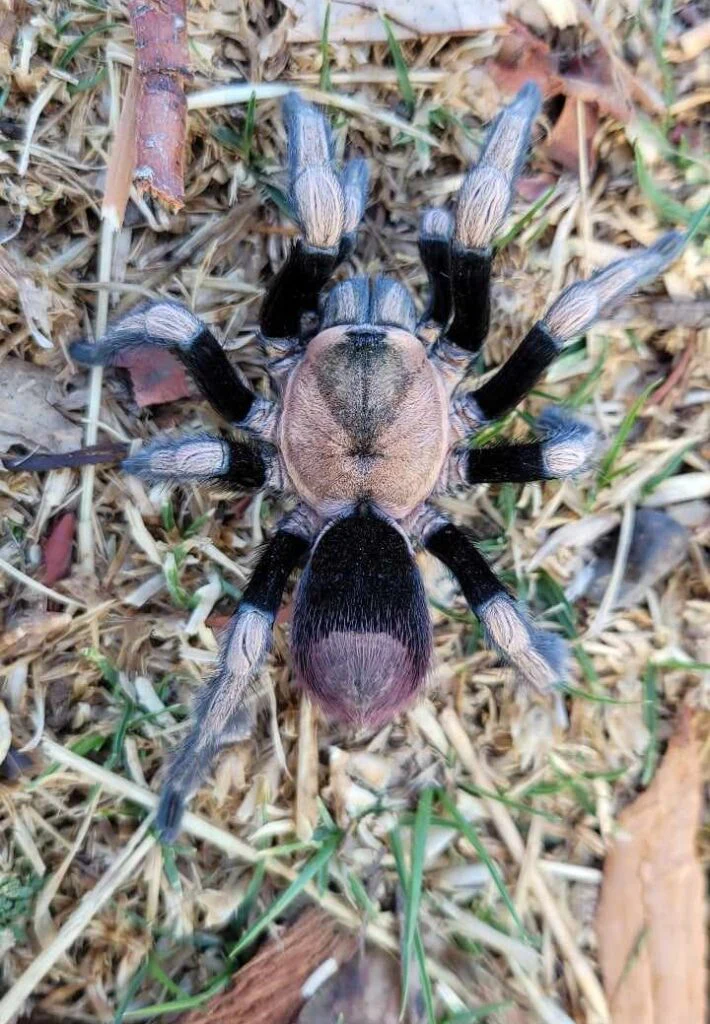
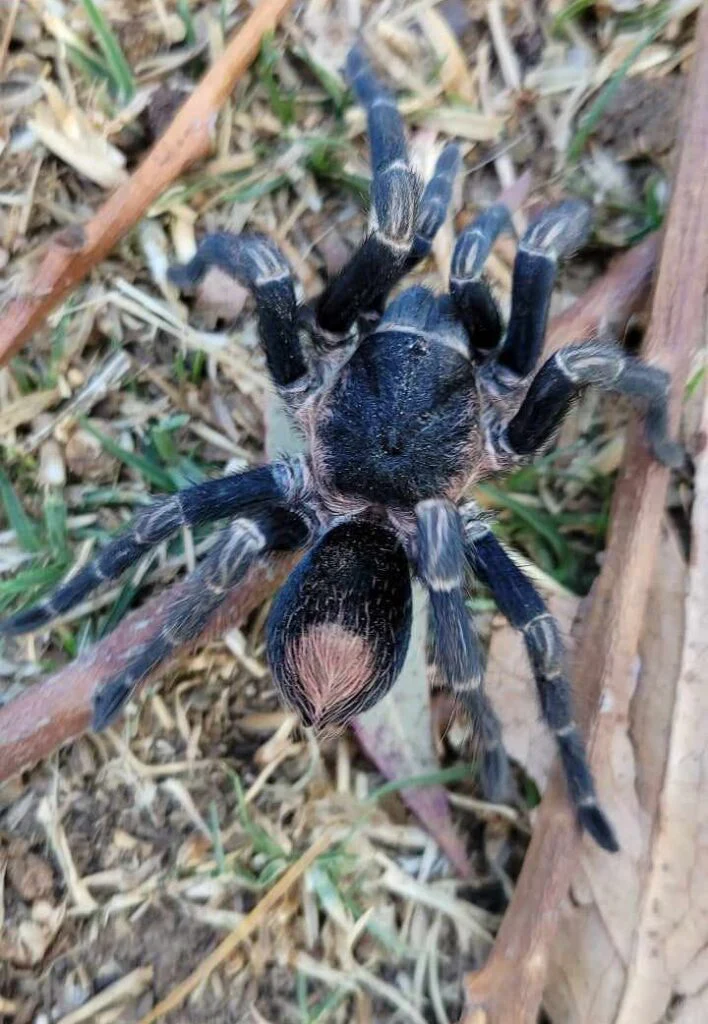
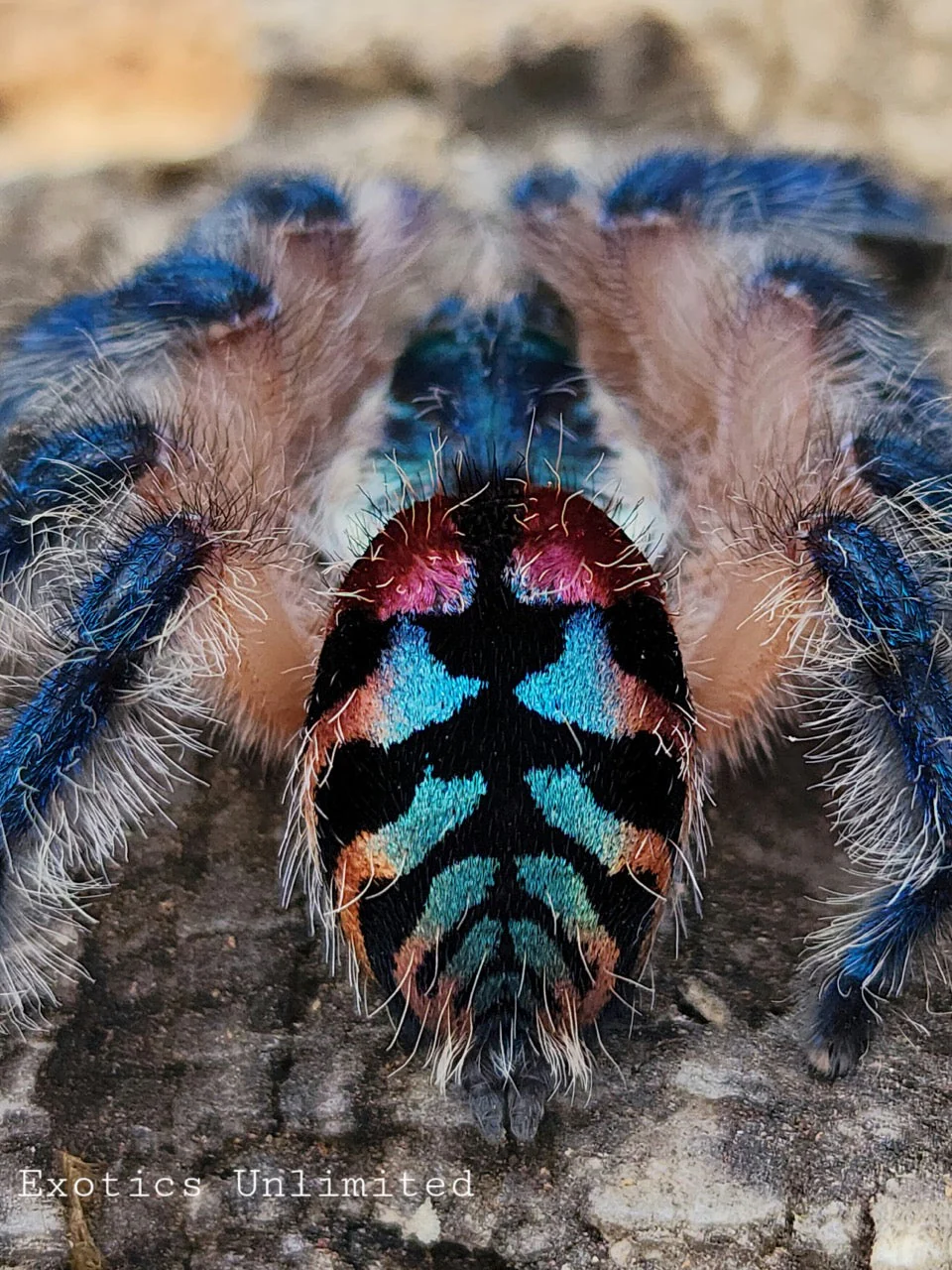
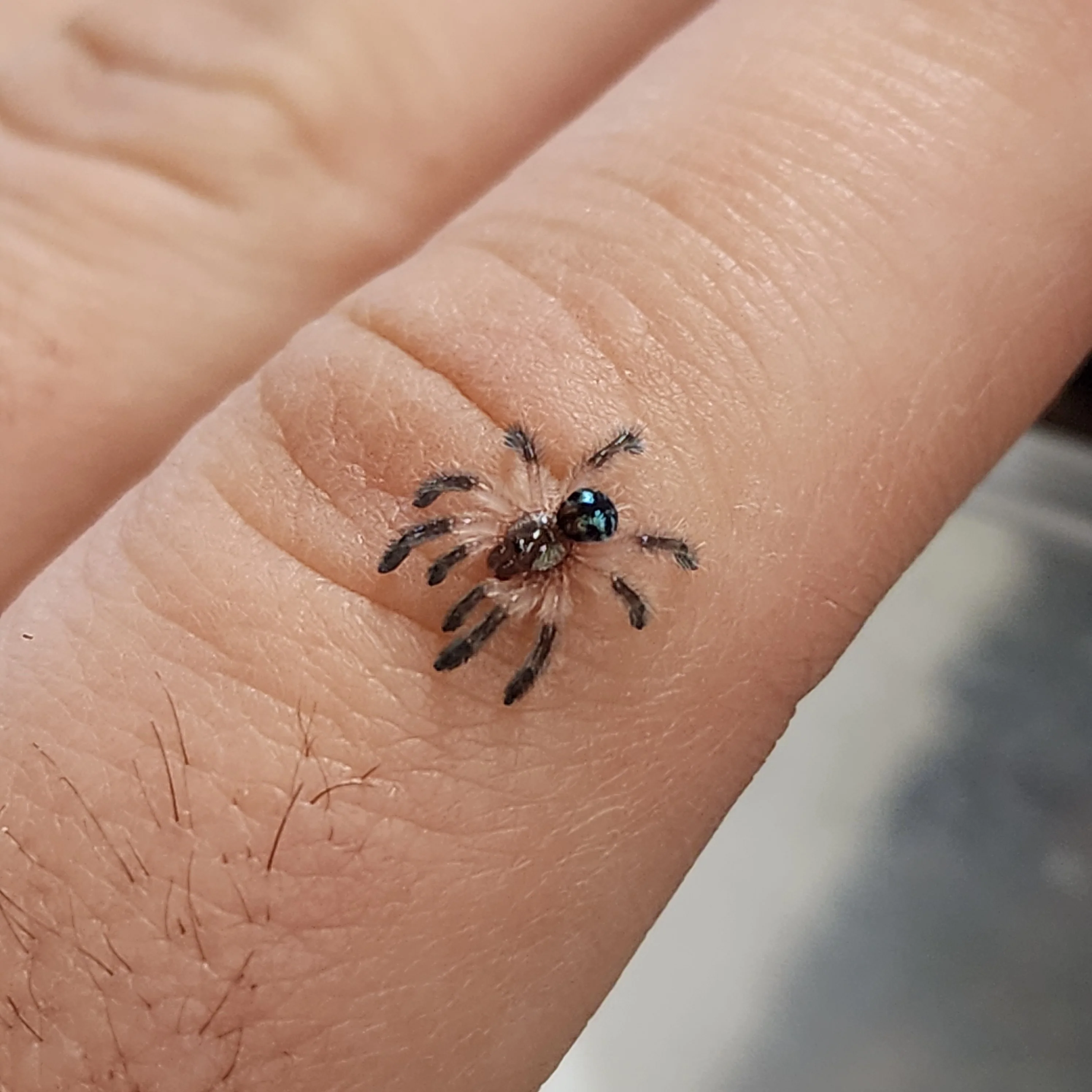
Typhochlaena seladonia has a way of looking almost unreal when fully matured. Adults develop a tight, compact body with a dark, polished carapace (head), pale tan to cream legs covered in fine hairs, and subtle blue tones along the femurs that catch light at certain angles. The abdomen is where this species stands apart, displaying a vivid pattern of metallic teal, deep black striping, and bright red near the front, forming a high-contrast, almost painted appearance. Despite how bold these colors seem up close, they break up the spider’s outline remarkably well against bark. Slings begin far more muted, usually in soft browns and creams with faint patterning, gradually developing stronger contrast and eventually the full jewel-toned abdomen as they mature. Native to Brazil, this species lives directly on tree bark, constructing a nearly invisible trapdoor that sits flush with the surface.
Why do hobbyists keep Typhochlaena seladonia?
- Coloration: One of the most intricate color patterns in the hobby, with layered reds, teals, and blacks that look almost artificial in clarity
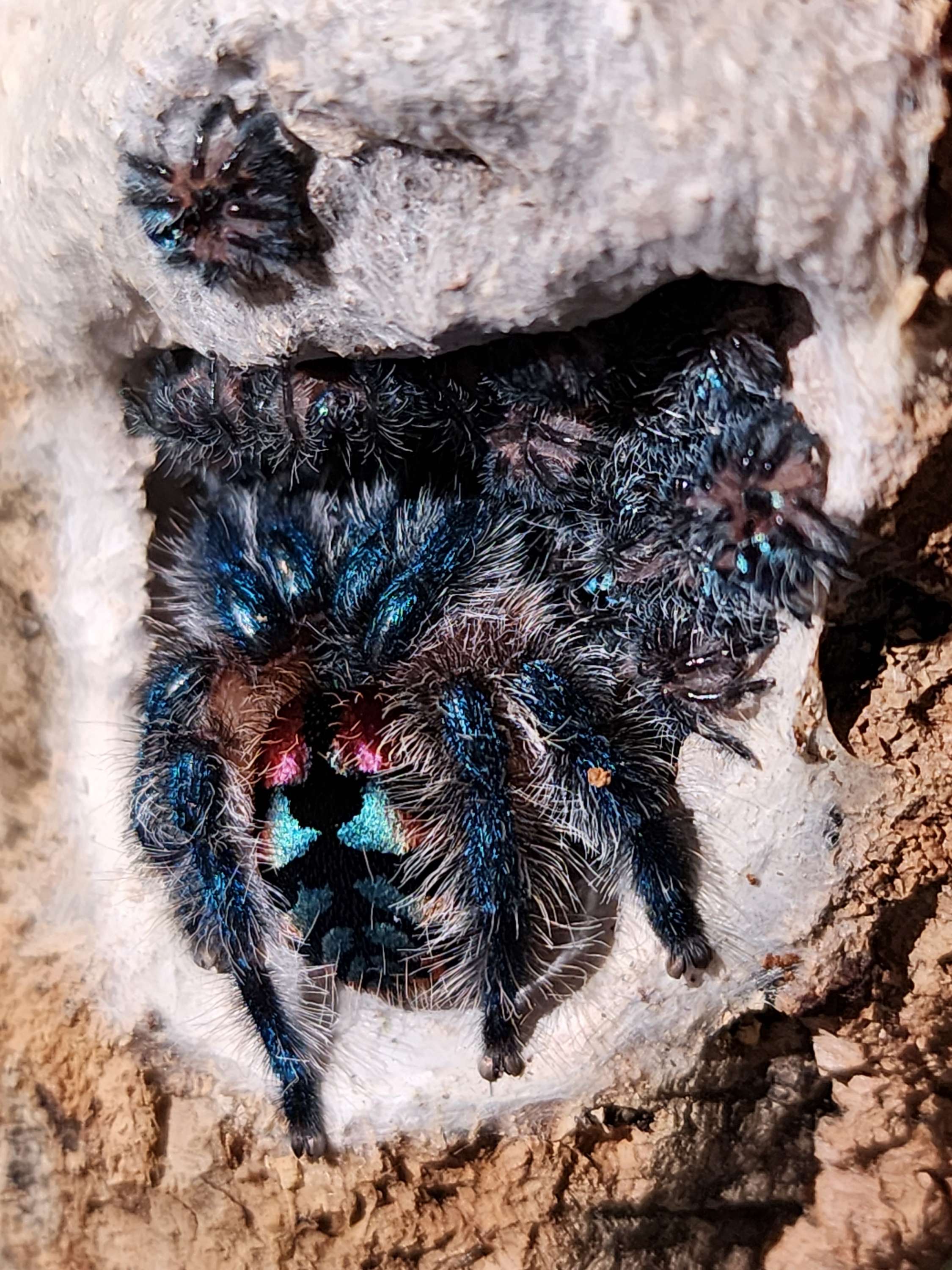
- Trapdoor behavior: Builds a perfectly flush bark trap, often indistinguishable from the surrounding surface until it opens
- Display value: When given the right cork placement, they often establish traps in visible areas, allowing you to actually observe ambush feeding
- Compact size: A true dwarf species that stays small but visually striking
- Docile nature: Typically calm and non-defensive, relying on hiding rather than reacting
- Behavioral depth: Adjusts and maintains its trap over time, actively modifying texture and surface to match surroundings
Care Overview?
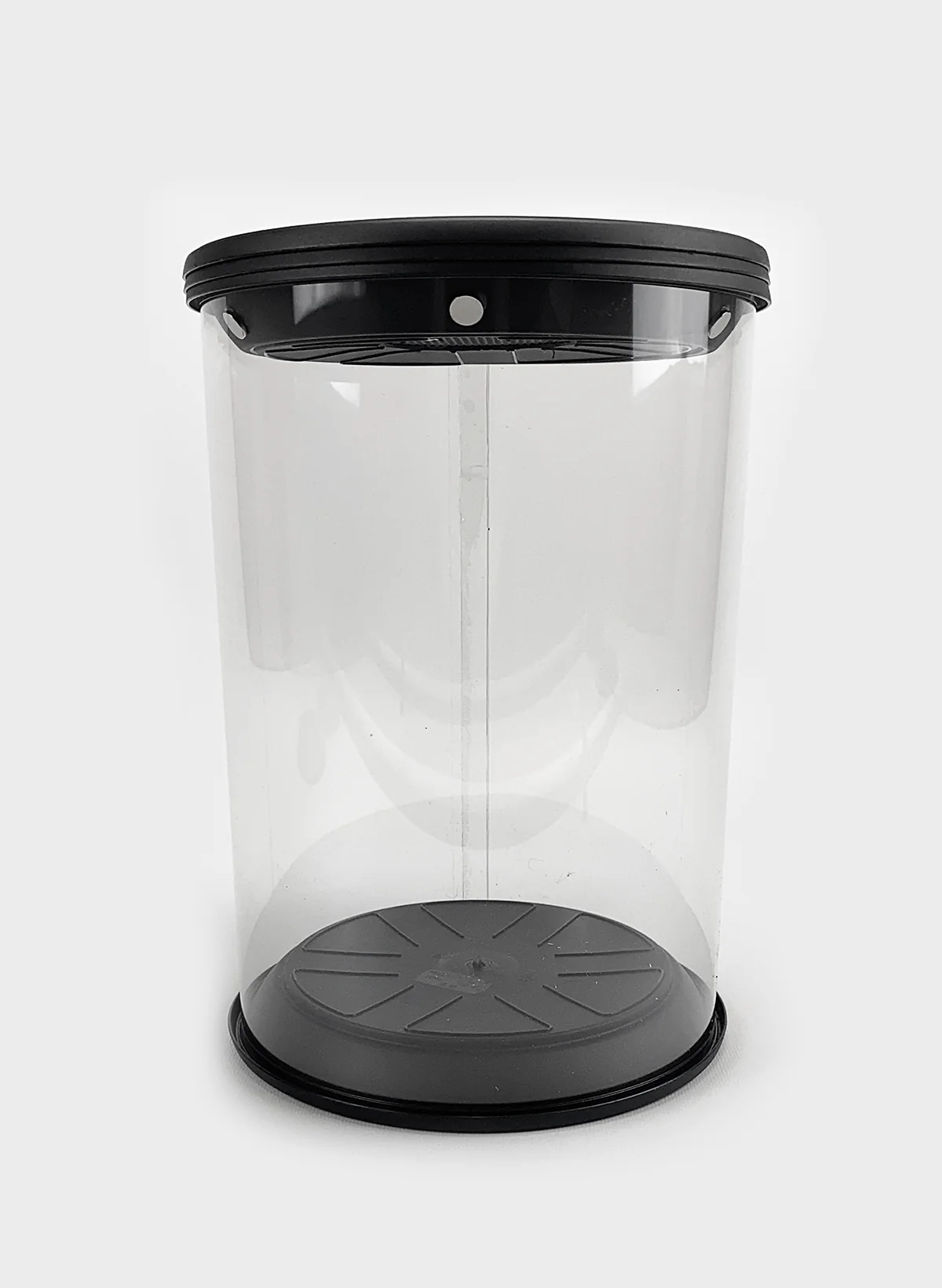
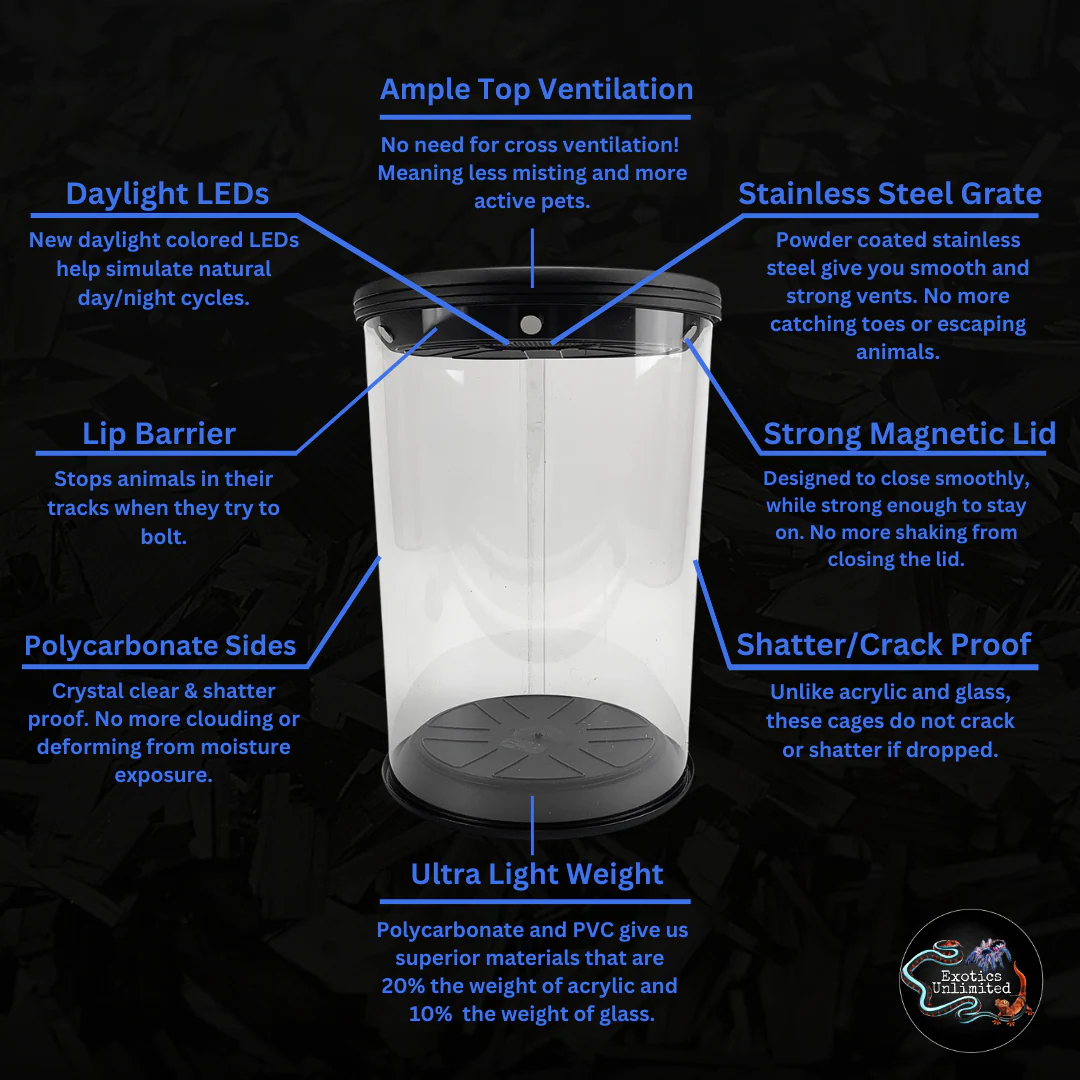
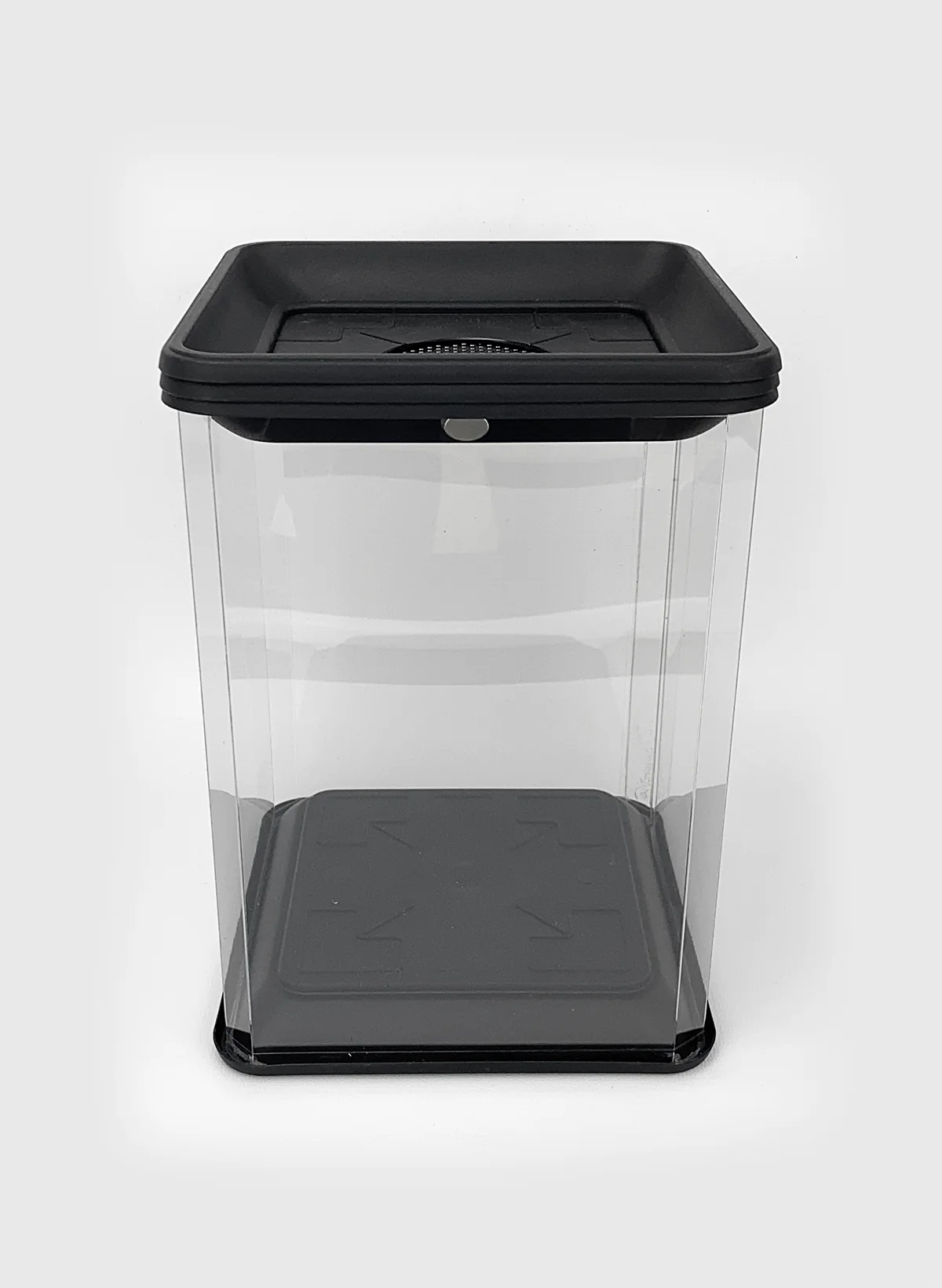
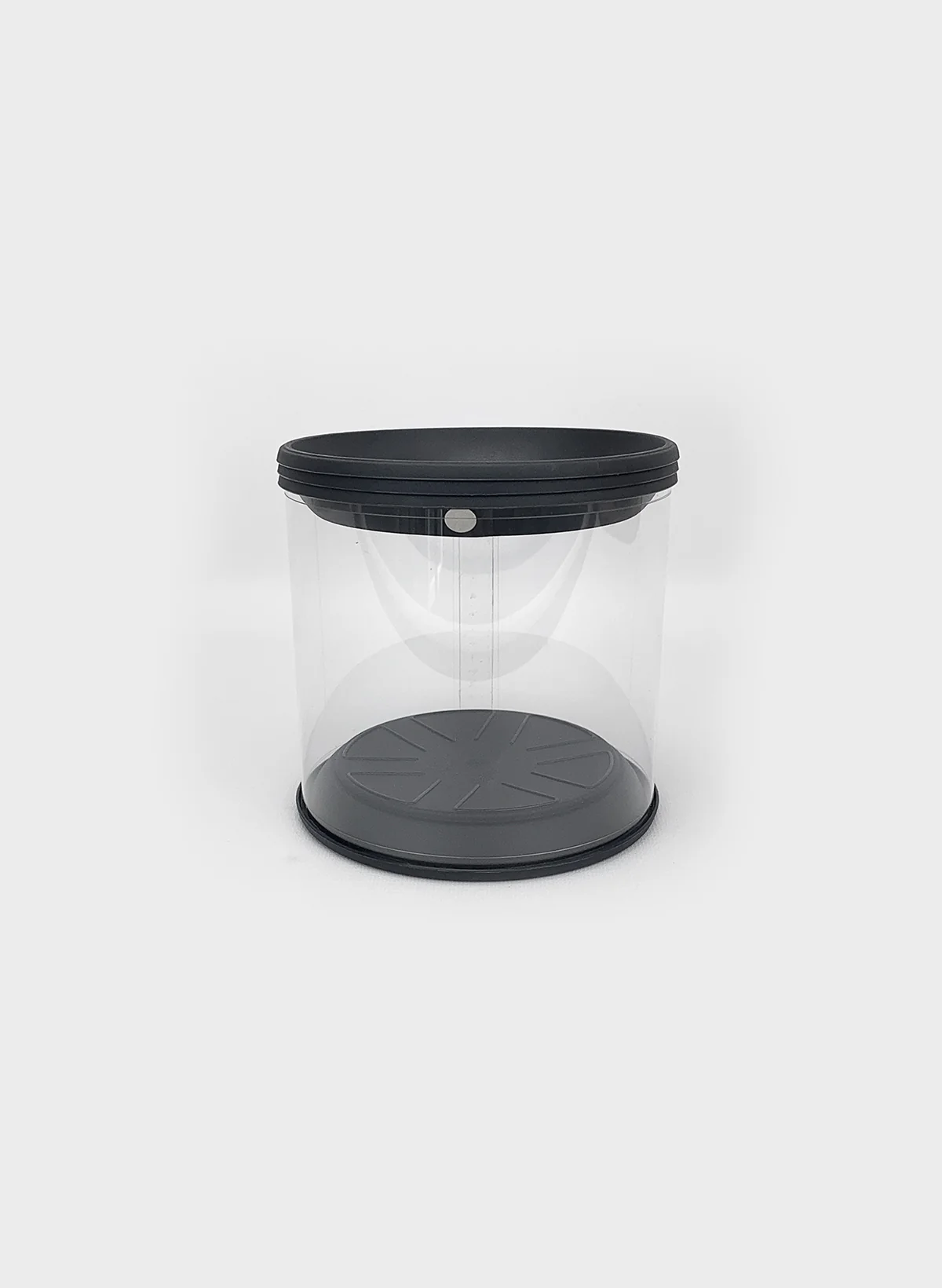
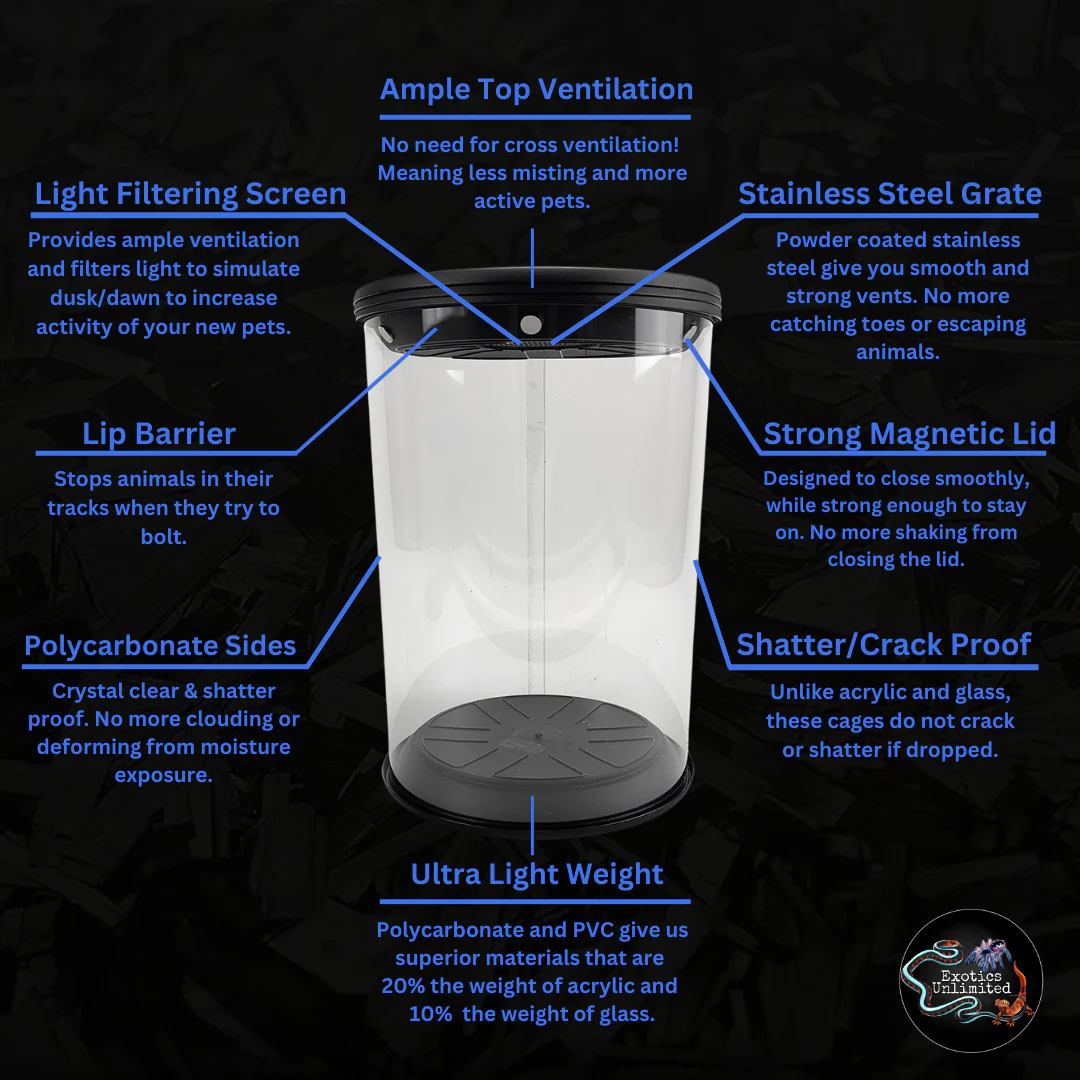
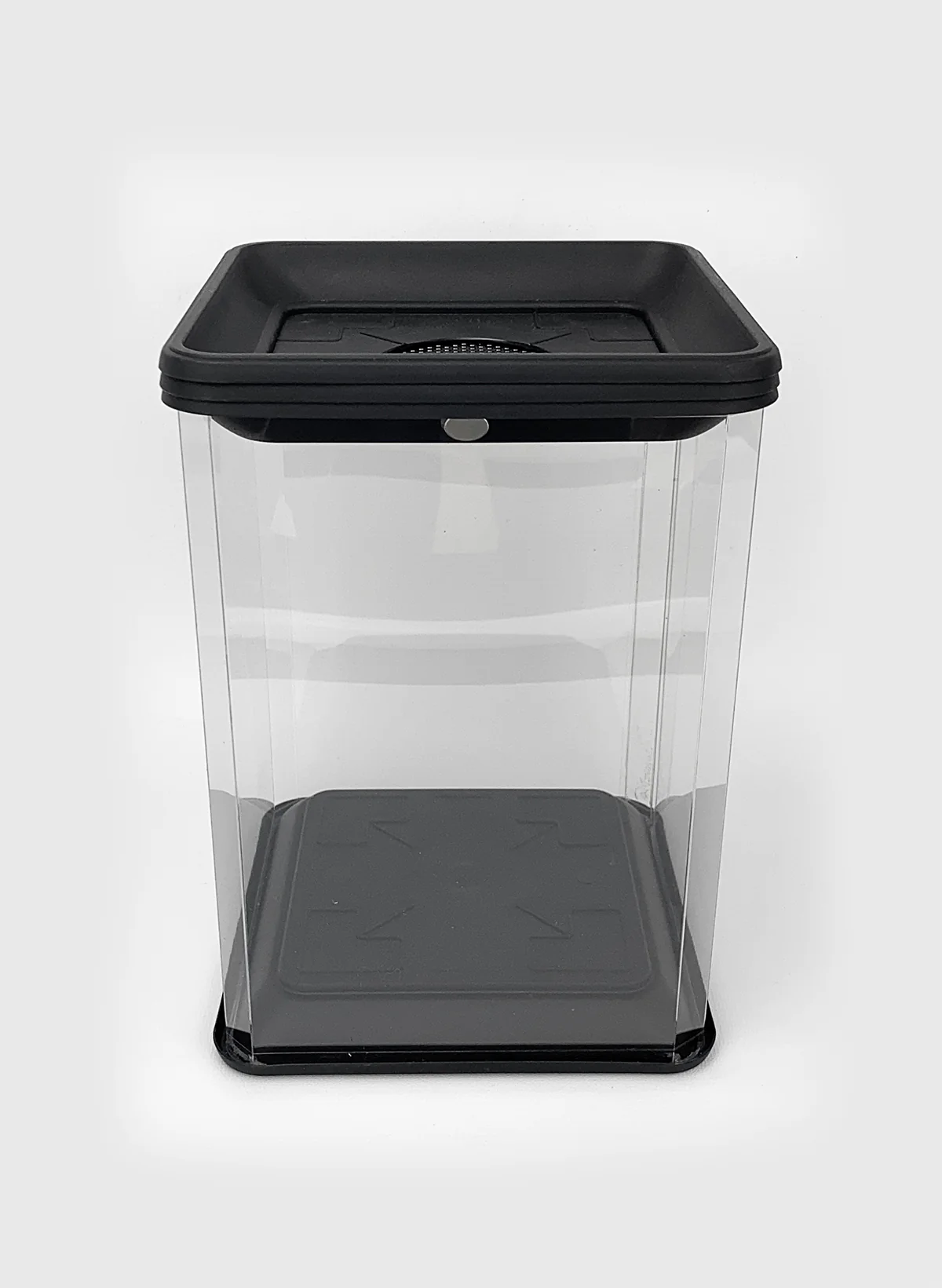
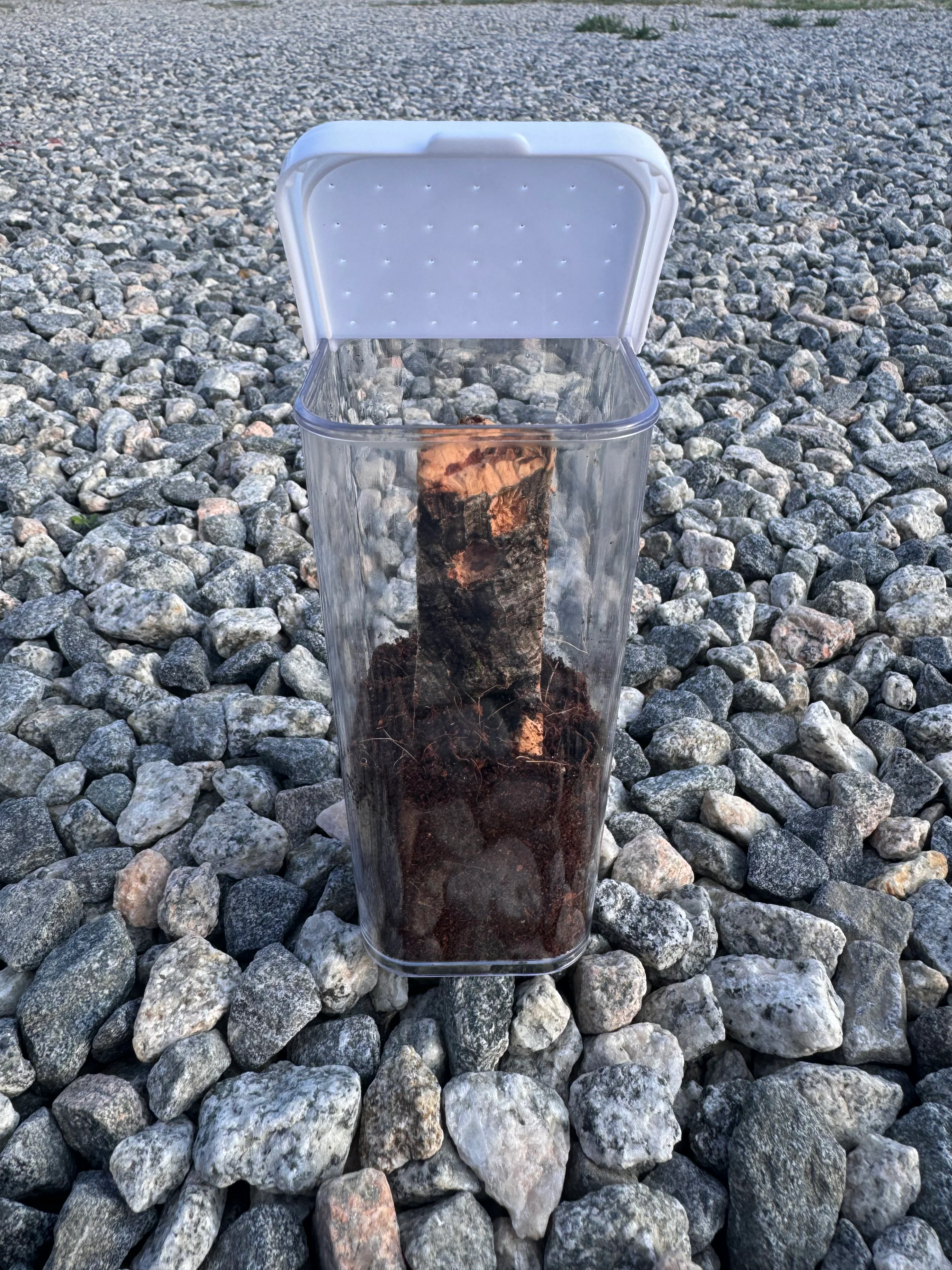
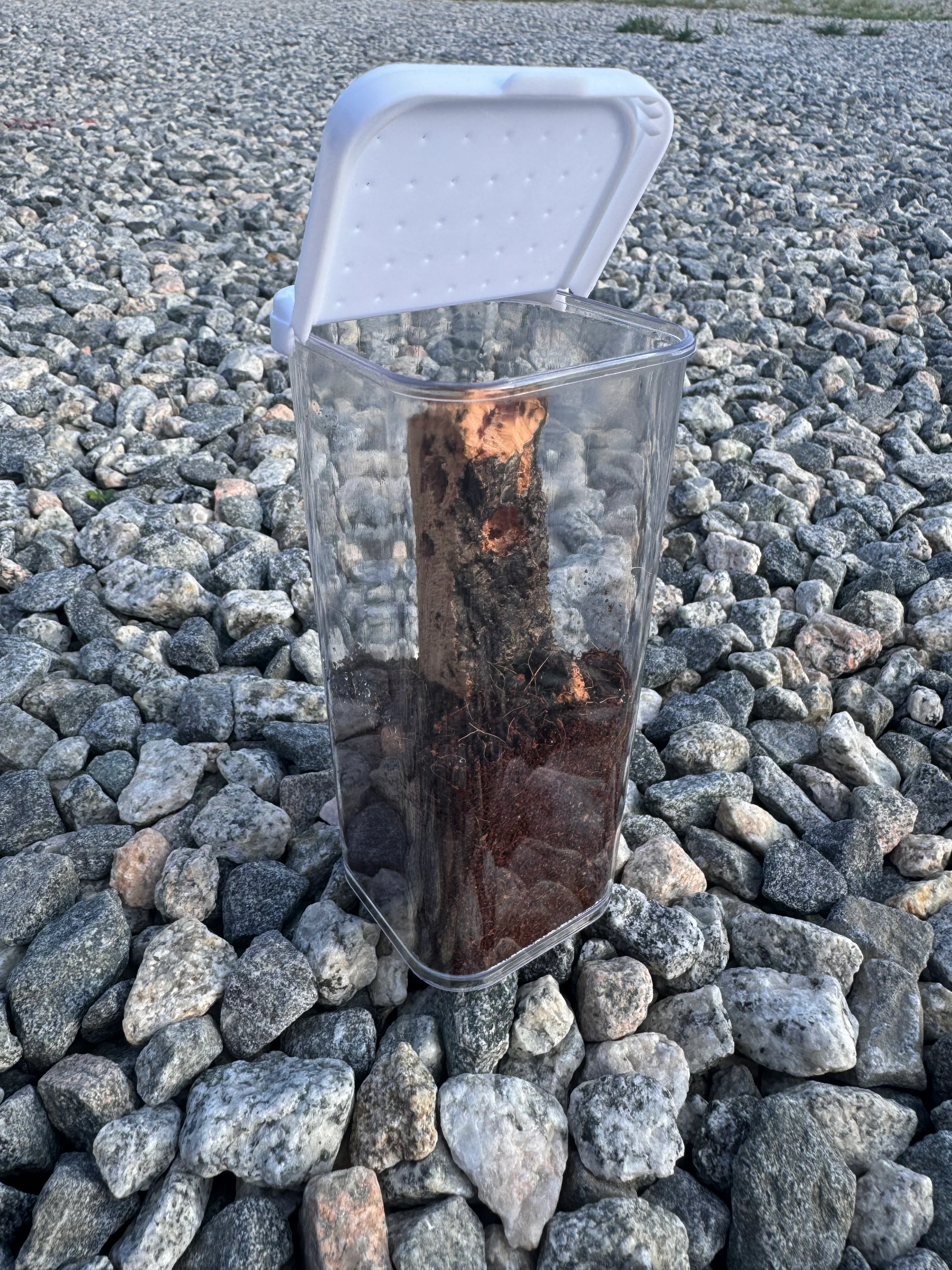
- Enclosure: Arboreal setup, 2× leg span footprint and 3× height, with cork bark placed flat against the enclosure wall. Slings benefit greatly from shallow pre-drilled holes to anchor early trap construction
- Temperature: 65–75°F
- Humidity: Moderate, with slightly moist substrate and strong ventilation. Surfaces should dry within 24 hours
- Diet: Small crickets or roaches. Pre-killed prey works well for slings to ensure they locate food. Size prey based on the abdomen, with the carapace (head) used as a reference point
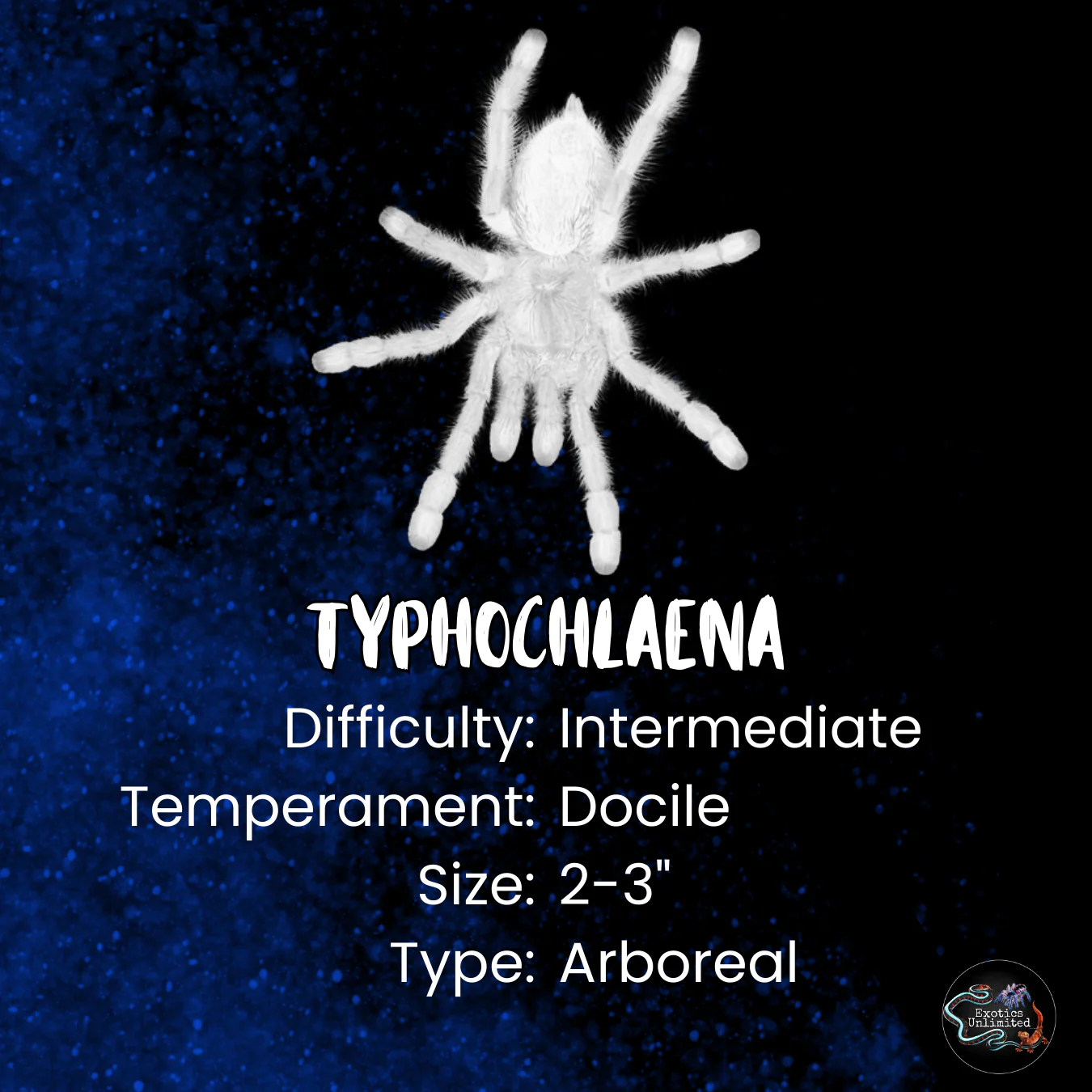
- Temperament: Docile, very reclusive, relies on camouflage over defense
Additional Notes or Considerations?
Cork bark is essential for this species. They will not thrive or behave naturally without a proper vertical surface to build on. For slings especially, small drilled holes in cork replicate natural insect burrows and give them a starting point. Without this, they may wander and delay settling in.
Feeding response plays a major role in trap building. A well-fed sling is far more likely to establish and maintain a trap, while unfed individuals may roam instead. Making prey easy to find, especially early on, can make a noticeable difference.
A light dusting of fine bark or sphagnum particles on the cork helps them blend their trap more effectively. Over time, you will see them actively modify the surface, adjusting both texture and color to match their surroundings.
Even as an arboreal species, a small, stable water source is useful. A narrow vial-style dish placed into the substrate helps maintain humidity without overwhelming airflow, which is especially helpful in well-ventilated enclosures.
Product Information
Product Information
Shipping & Returns
Shipping & Returns
Description
Typhochlaena seladonia (Brazilian Jewel Tarantula)
Typhochlaena seladonia has a way of looking almost unreal when fully matured. Adults develop a tight, compact body with a dark, polished carapace (head), pale tan to cream legs covered in fine hairs, and subtle blue tones along the femurs that catch light at certain angles. The abdomen is where this species stands apart, displaying a vivid pattern of metallic teal, deep black striping, and bright red near the front, forming a high-contrast, almost painted appearance. Despite how bold these colors seem up close, they break up the spider’s outline remarkably well against bark. Slings begin far more muted, usually in soft browns and creams with faint patterning, gradually developing stronger contrast and eventually the full jewel-toned abdomen as they mature. Native to Brazil, this species lives directly on tree bark, constructing a nearly invisible trapdoor that sits flush with the surface.
Why do hobbyists keep Typhochlaena seladonia?
- Coloration: One of the most intricate color patterns in the hobby, with layered reds, teals, and blacks that look almost artificial in clarity
- Trapdoor behavior: Builds a perfectly flush bark trap, often indistinguishable from the surrounding surface until it opens
- Display value: When given the right cork placement, they often establish traps in visible areas, allowing you to actually observe ambush feeding
- Compact size: A true dwarf species that stays small but visually striking
- Docile nature: Typically calm and non-defensive, relying on hiding rather than reacting
- Behavioral depth: Adjusts and maintains its trap over time, actively modifying texture and surface to match surroundings
Care Overview?
- Enclosure: Arboreal setup, 2× leg span footprint and 3× height, with cork bark placed flat against the enclosure wall. Slings benefit greatly from shallow pre-drilled holes to anchor early trap construction
- Temperature: 65–75°F
- Humidity: Moderate, with slightly moist substrate and strong ventilation. Surfaces should dry within 24 hours
- Diet: Small crickets or roaches. Pre-killed prey works well for slings to ensure they locate food. Size prey based on the abdomen, with the carapace (head) used as a reference point
- Temperament: Docile, very reclusive, relies on camouflage over defense
Additional Notes or Considerations?
Cork bark is essential for this species. They will not thrive or behave naturally without a proper vertical surface to build on. For slings especially, small drilled holes in cork replicate natural insect burrows and give them a starting point. Without this, they may wander and delay settling in.
Feeding response plays a major role in trap building. A well-fed sling is far more likely to establish and maintain a trap, while unfed individuals may roam instead. Making prey easy to find, especially early on, can make a noticeable difference.
A light dusting of fine bark or sphagnum particles on the cork helps them blend their trap more effectively. Over time, you will see them actively modify the surface, adjusting both texture and color to match their surroundings.
Even as an arboreal species, a small, stable water source is useful. A narrow vial-style dish placed into the substrate helps maintain humidity without overwhelming airflow, which is especially helpful in well-ventilated enclosures.