Grammostola pulchra (Brazilian Black Tarantula) MALE
Grammostola pulchra (Brazilian Black Tarantula)
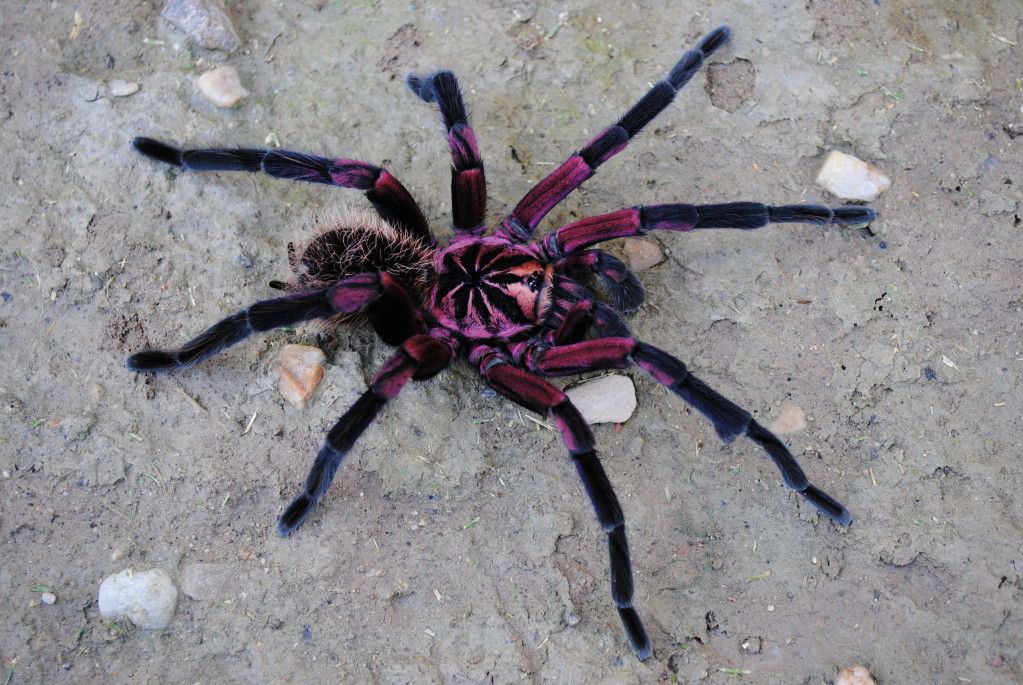
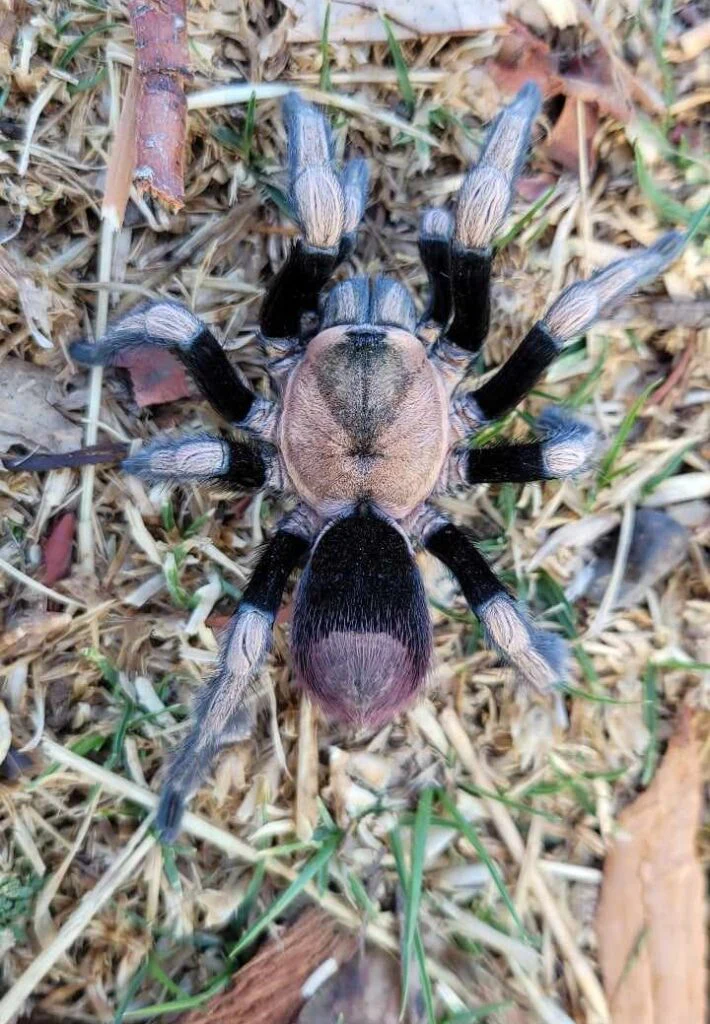
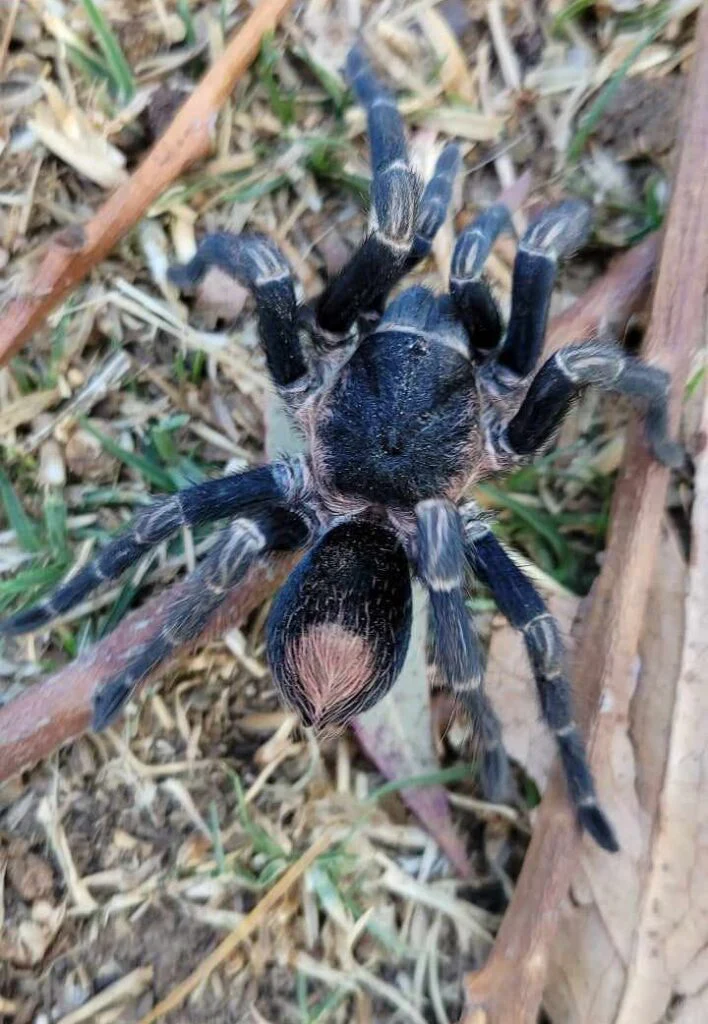
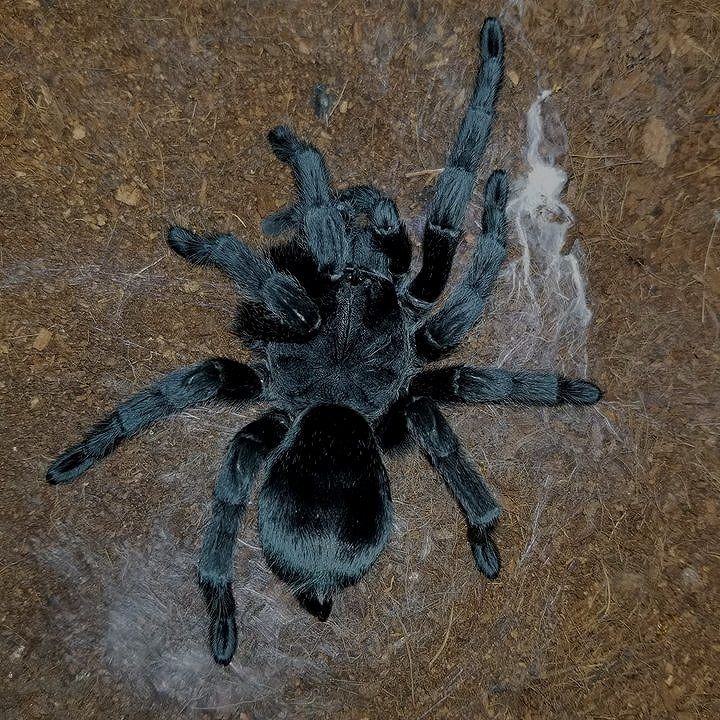
Grammostola pulchra, commonly known as the Brazilian Black Tarantula, is one of the most well-known and consistently recommended species in the hobby, valued for its deep, velvety black coloration and exceptionally docile temperament. As a spiderling, it begins with a lighter brown coloration and a more subdued appearance. As it grows, usually around the 2 to 3 inch range, it gradually develops its signature jet black color, eventually becoming a uniform, silky black across the abdomen, legs, and carapace (head). This species has a heavy-bodied, grounded build and moves slowly and deliberately, which contributes to its reputation as one of the most manageable tarantulas to keep.
Why Hobbyists Keep Grammostola pulchra
- Color development: Transitions from a brown spiderling into a fully jet black adult with a deep, velvety appearance
- Temperament: Exceptionally docile and slow-moving, often compared to the “black lab” of the tarantula world due to its calm and predictable behavior
- Webbing behavior: Minimal webbing behavior, relying more on substrate and simple retreats than visible web structures
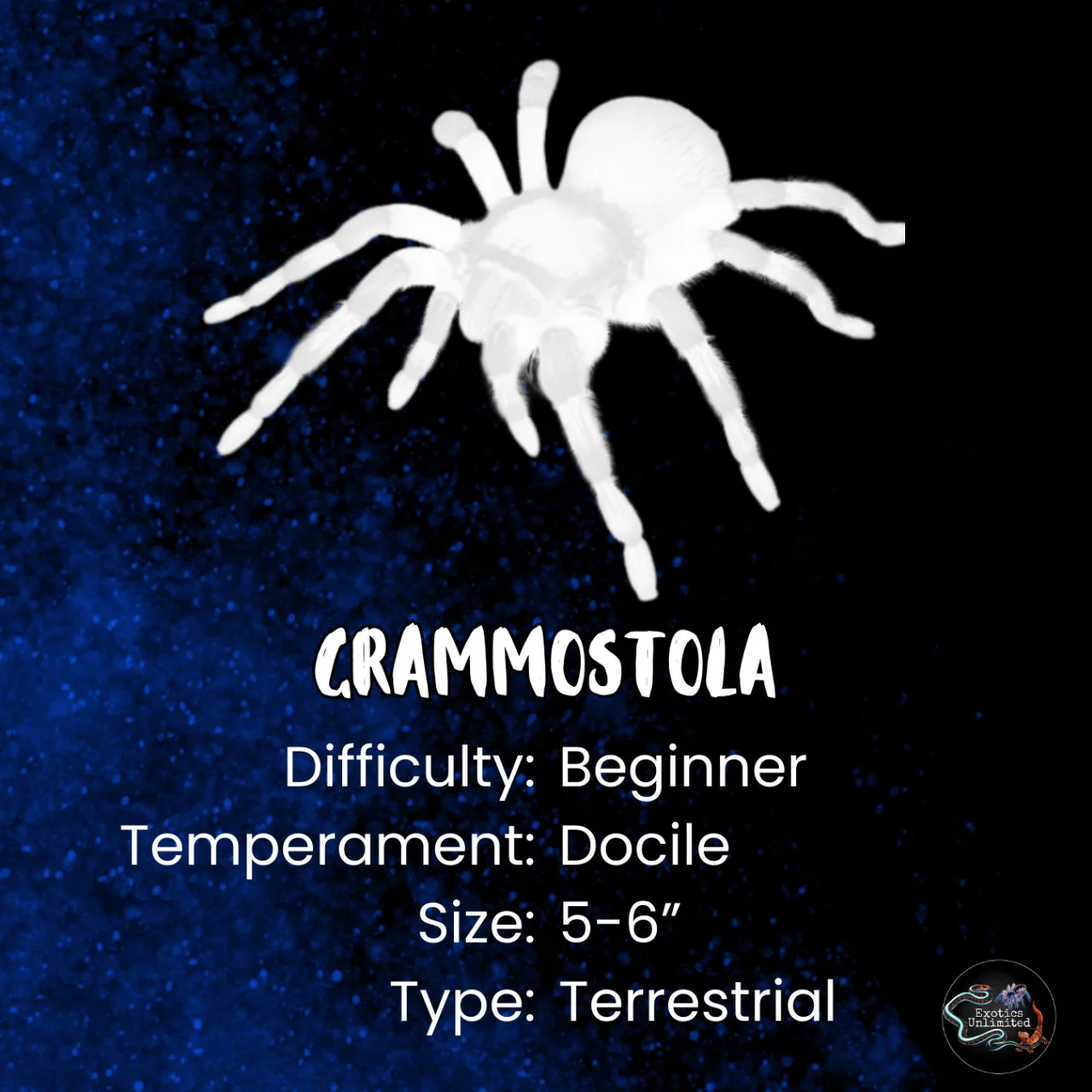
- Adult size and behavior: Reaches a maximum leg span of around 5 to 6 inches, with a heavy-bodied build and very slow, deliberate movement
- Feeding response and activity level: Typically a steady but not aggressive feeder, with a calm presence and limited roaming compared to more active species
Care Overview
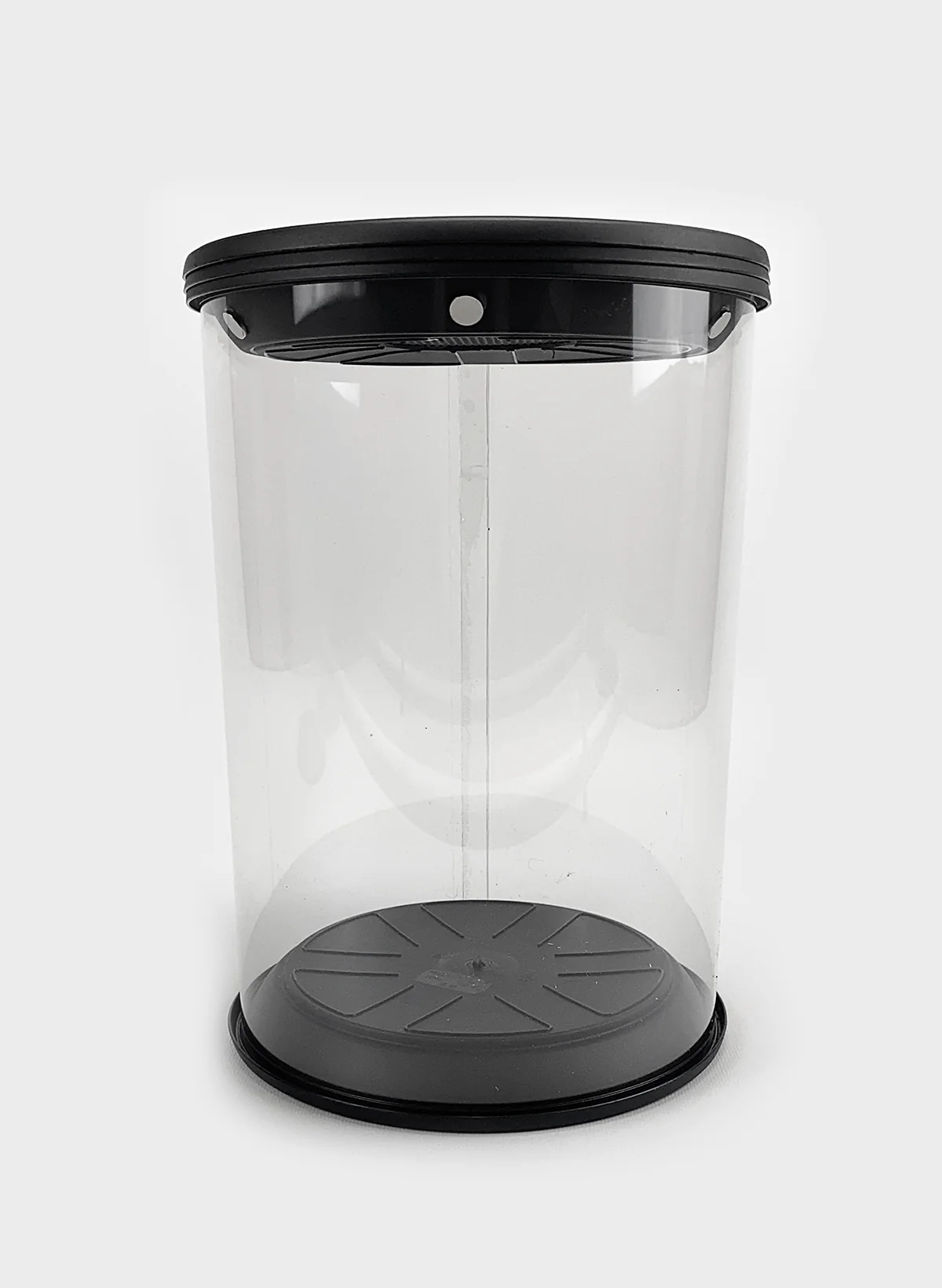
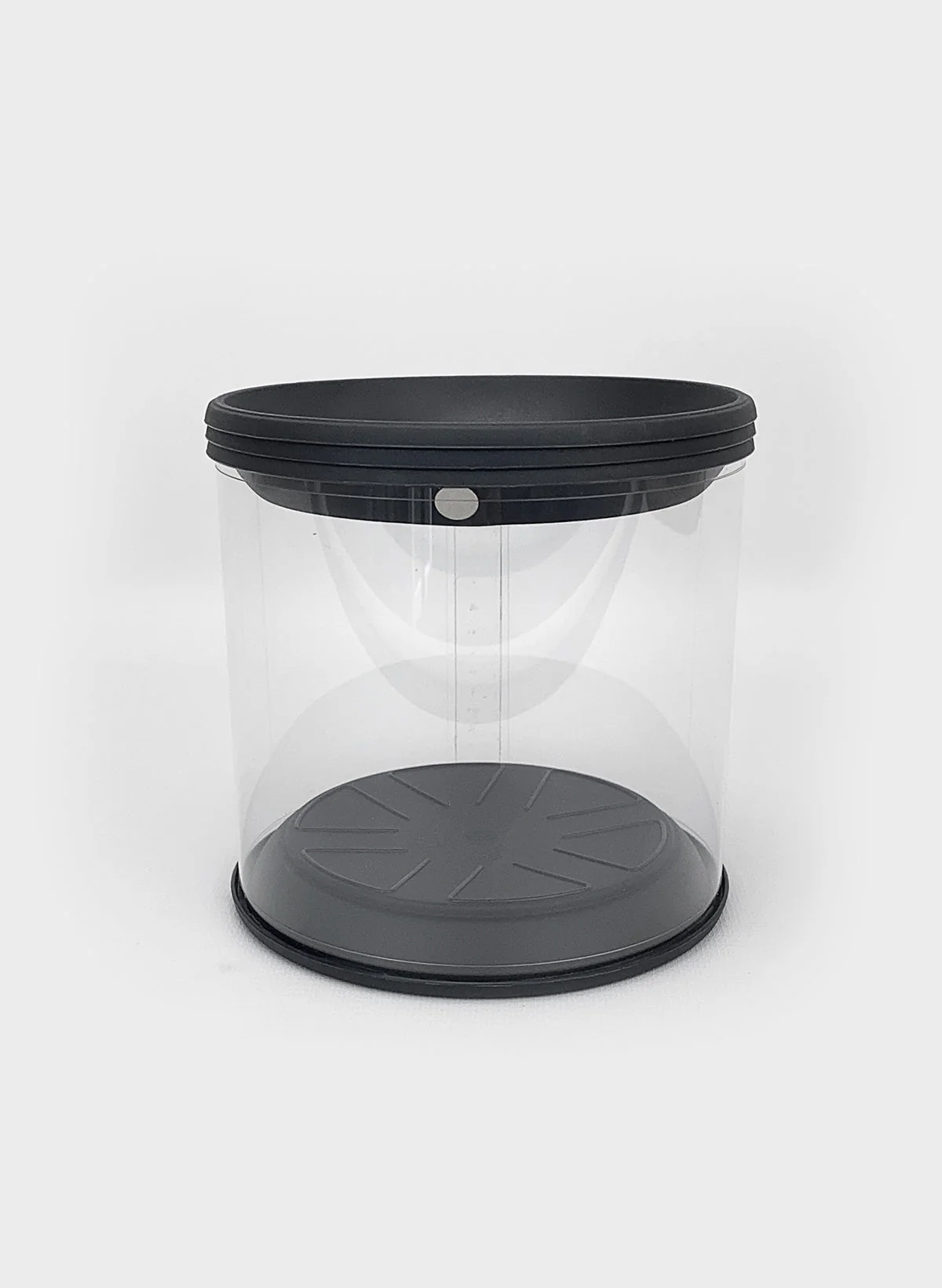
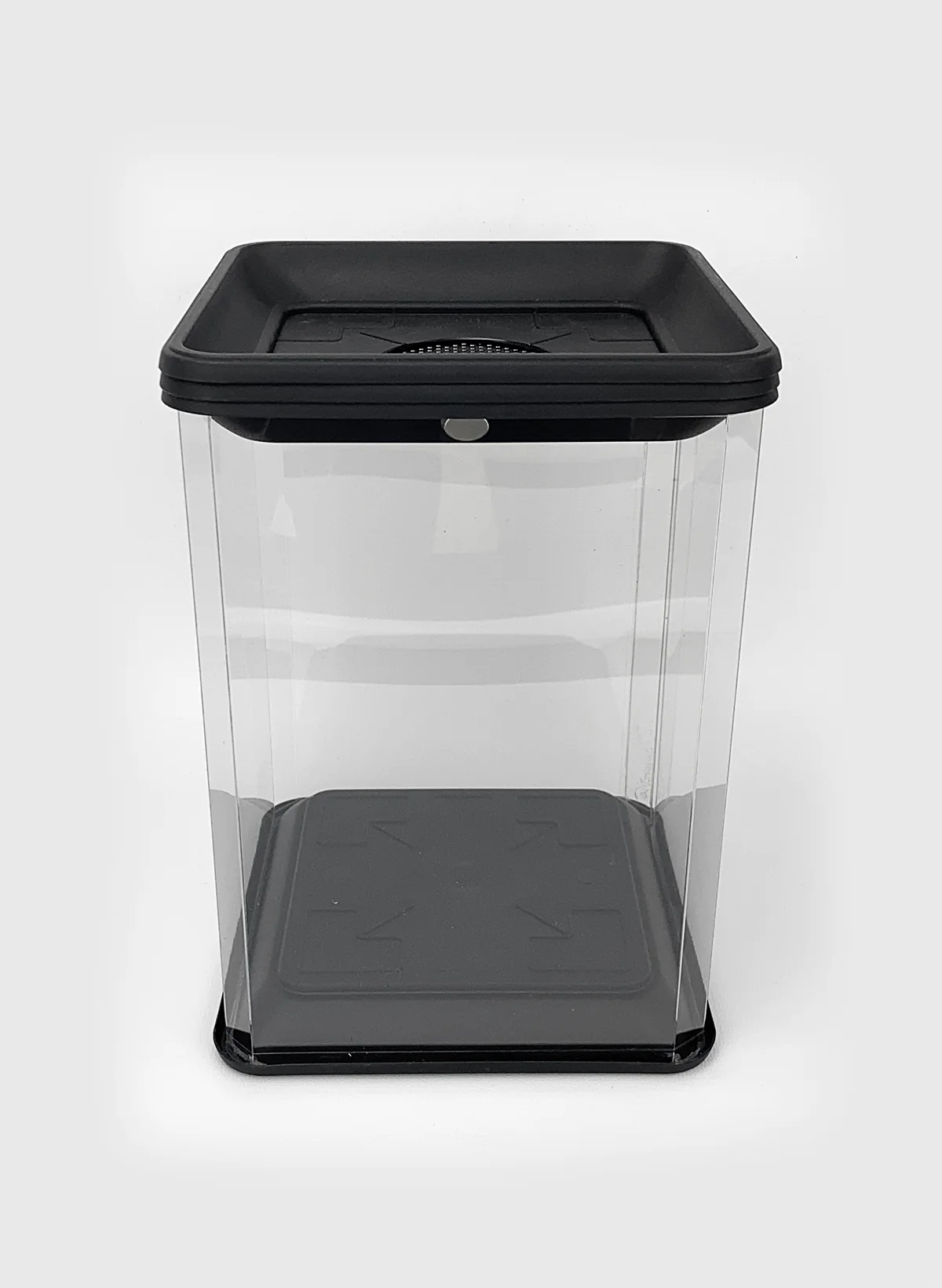
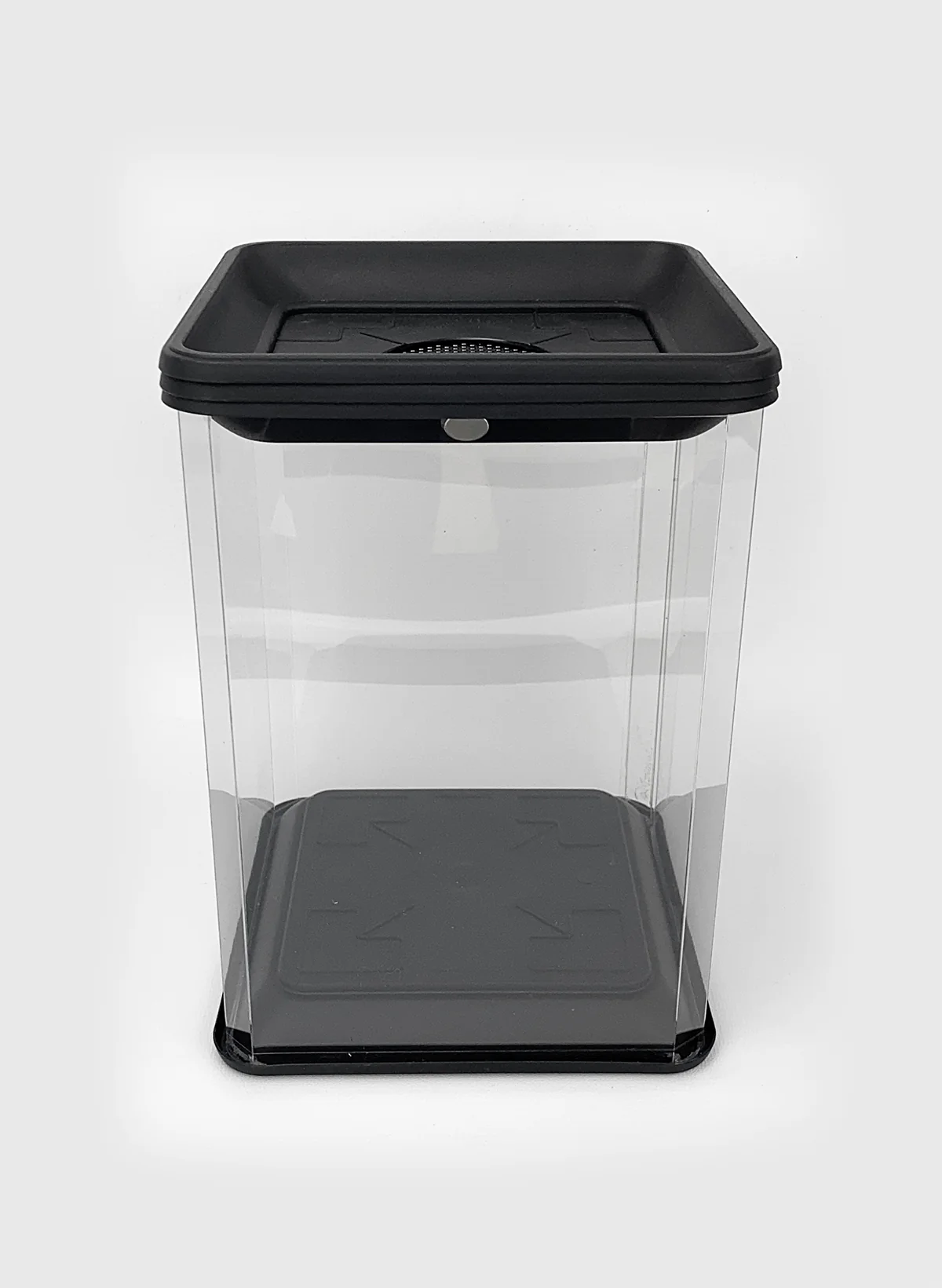
- Enclosure: Provide a terrestrial setup with about 3× the leg span as floor space and 2× the leg span as height, with substrate depth around the spider’s leg span to allow for light burrowing and secure retreat use
- Temperature: Maintain between 65–75°F with stable conditions
- Humidity: Keep moderate humidity with slightly moist substrate, allowing the top layer to dry out between moisture cycles
- Diet: Feed crickets, roaches, or similar prey sized appropriately to the carapace (head); this species tends to feed steadily but may show slower feeding responses at times
- Temperament: Extremely docile, rarely reactive, and one of the most forgiving species in terms of handling and maintenance
Additional Notes or Considerations
This species is often considered one of the best beginner tarantulas due to its slow movement, calm temperament, and ability to tolerate a wider range of conditions compared to more sensitive species. In the wild, they experience seasonal changes including periods of dryness and cooler temperatures, which contributes to their resilience in captivity.
In the wild, this species spends much of its time in burrows or under natural cover such as logs or rocks. In captivity, however, they are often more visible once established, especially when provided with a secure retreat and stable conditions.
Classification Note
There is ongoing discussion within the hobby regarding the distinction between Grammostola pulchra and Grammostola quirogai, as both have appeared in the trade under similar names. While they are recognized as separate species, much of what has been sold historically in the hobby has been labeled as G. pulchra, and that naming convention is still widely used.
Original: $199.00
-65%$199.00
$69.65Product Information
Product Information
Shipping & Returns
Shipping & Returns
Description
Grammostola pulchra (Brazilian Black Tarantula)
Grammostola pulchra, commonly known as the Brazilian Black Tarantula, is one of the most well-known and consistently recommended species in the hobby, valued for its deep, velvety black coloration and exceptionally docile temperament. As a spiderling, it begins with a lighter brown coloration and a more subdued appearance. As it grows, usually around the 2 to 3 inch range, it gradually develops its signature jet black color, eventually becoming a uniform, silky black across the abdomen, legs, and carapace (head). This species has a heavy-bodied, grounded build and moves slowly and deliberately, which contributes to its reputation as one of the most manageable tarantulas to keep.
Why Hobbyists Keep Grammostola pulchra
- Color development: Transitions from a brown spiderling into a fully jet black adult with a deep, velvety appearance
- Temperament: Exceptionally docile and slow-moving, often compared to the “black lab” of the tarantula world due to its calm and predictable behavior
- Webbing behavior: Minimal webbing behavior, relying more on substrate and simple retreats than visible web structures
- Adult size and behavior: Reaches a maximum leg span of around 5 to 6 inches, with a heavy-bodied build and very slow, deliberate movement
- Feeding response and activity level: Typically a steady but not aggressive feeder, with a calm presence and limited roaming compared to more active species
Care Overview
- Enclosure: Provide a terrestrial setup with about 3× the leg span as floor space and 2× the leg span as height, with substrate depth around the spider’s leg span to allow for light burrowing and secure retreat use
- Temperature: Maintain between 65–75°F with stable conditions
- Humidity: Keep moderate humidity with slightly moist substrate, allowing the top layer to dry out between moisture cycles
- Diet: Feed crickets, roaches, or similar prey sized appropriately to the carapace (head); this species tends to feed steadily but may show slower feeding responses at times
- Temperament: Extremely docile, rarely reactive, and one of the most forgiving species in terms of handling and maintenance
Additional Notes or Considerations
This species is often considered one of the best beginner tarantulas due to its slow movement, calm temperament, and ability to tolerate a wider range of conditions compared to more sensitive species. In the wild, they experience seasonal changes including periods of dryness and cooler temperatures, which contributes to their resilience in captivity.
In the wild, this species spends much of its time in burrows or under natural cover such as logs or rocks. In captivity, however, they are often more visible once established, especially when provided with a secure retreat and stable conditions.
Classification Note
There is ongoing discussion within the hobby regarding the distinction between Grammostola pulchra and Grammostola quirogai, as both have appeared in the trade under similar names. While they are recognized as separate species, much of what has been sold historically in the hobby has been labeled as G. pulchra, and that naming convention is still widely used.