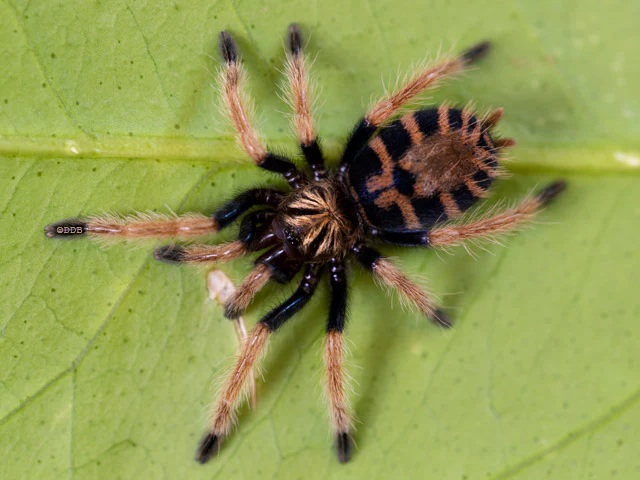
Chromatopelma cyaneopubescens (Green Bottle Blue Tarantula) FEMALE
Chromatopelma cyaneopubescens (Green Bottle Blue Tarantula)
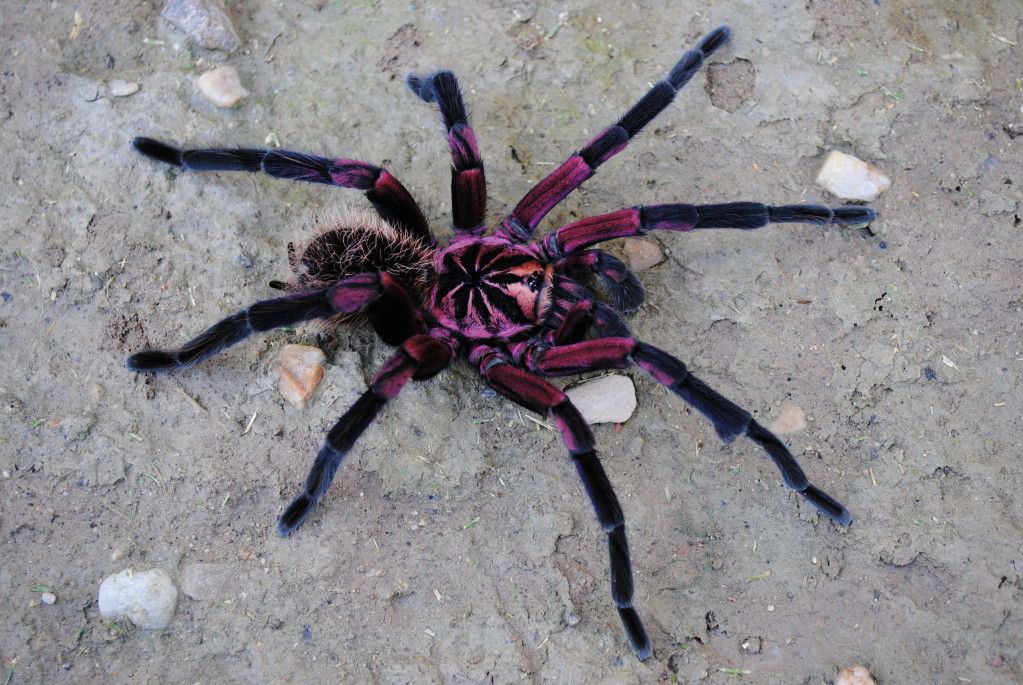
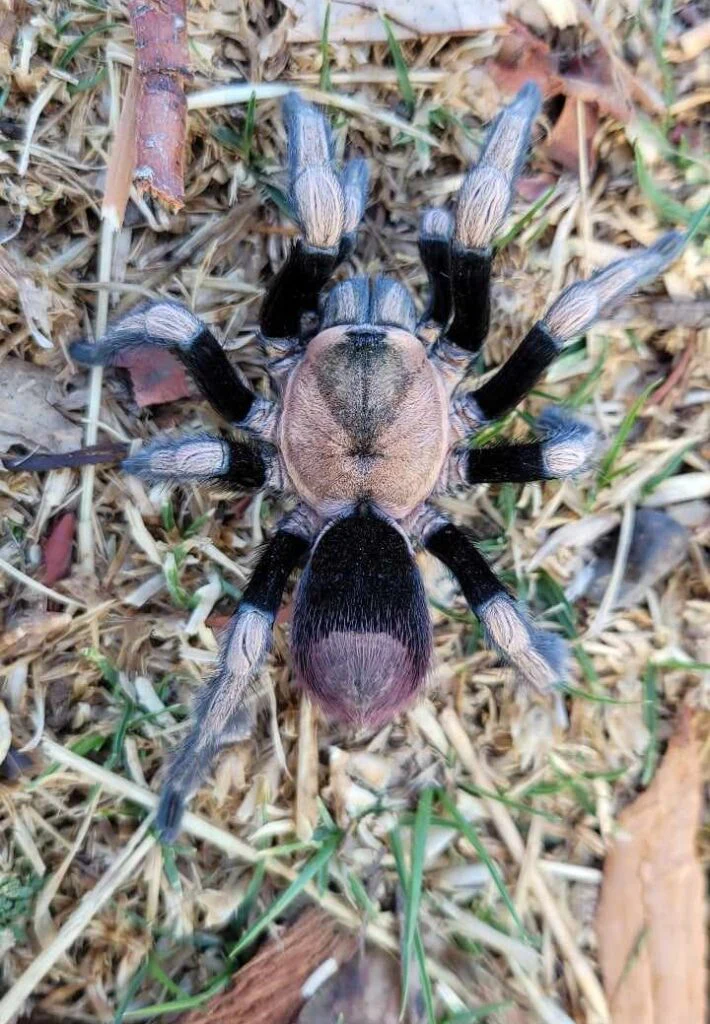
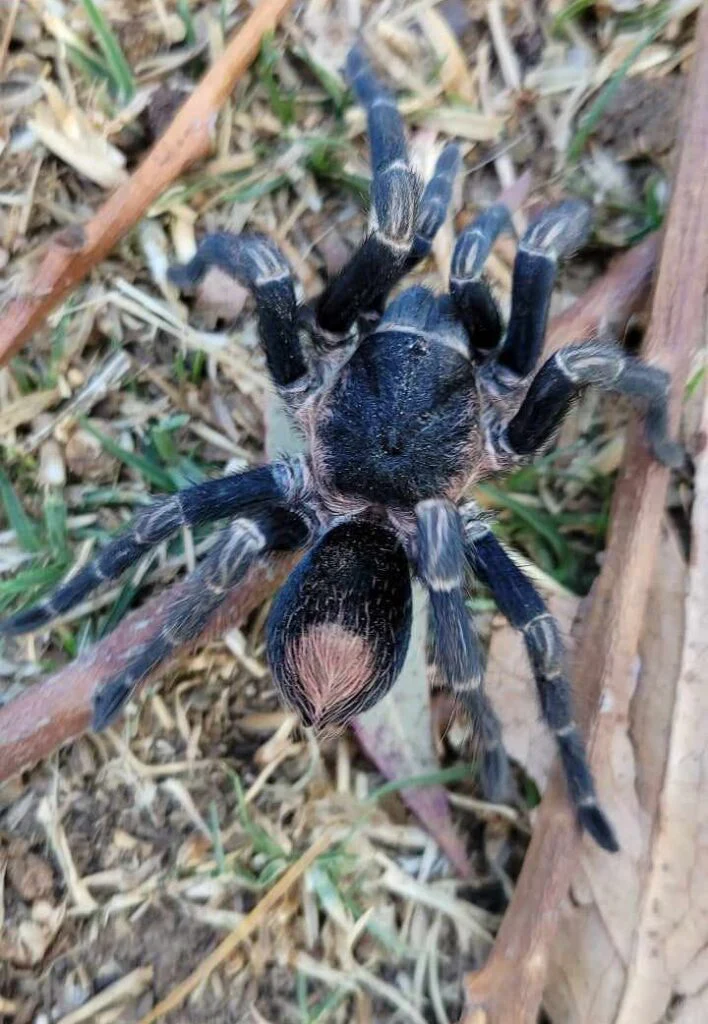
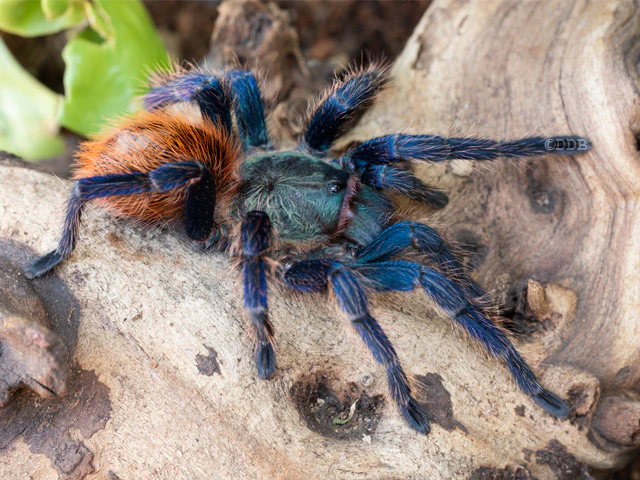
Chromatopelma cyaneopubescens, commonly known as the Green Bottle Blue Tarantula or (GBB), is one of the most recognizable and visually striking species in the hobby, known for its intense coloration and extremely heavy webbing behavior. As a spiderling, it starts with a bold orange and black striped abdomen, often described as a tiger pattern, with darker legs and little to no blue present. As it grows, it undergoes a dramatic color transformation, with each molt introducing more color. By adulthood, it develops bright metallic blue legs, a green to teal carapace (head), and a vivid orange abdomen, creating one of the most distinct color combinations in the hobby. This species maintains strong coloration throughout its entire life while becoming more vibrant with age. Unlike true arboreal species, it does not live in vertical retreats or burrow, but instead builds extensive web structures across both ground and elevated anchor points. It is constantly active, frequently visible, and known for creating large, dense web structures that can take over the enclosure.
Why Hobbyists Keep Chromatopelma cyaneopubescens (GBB)
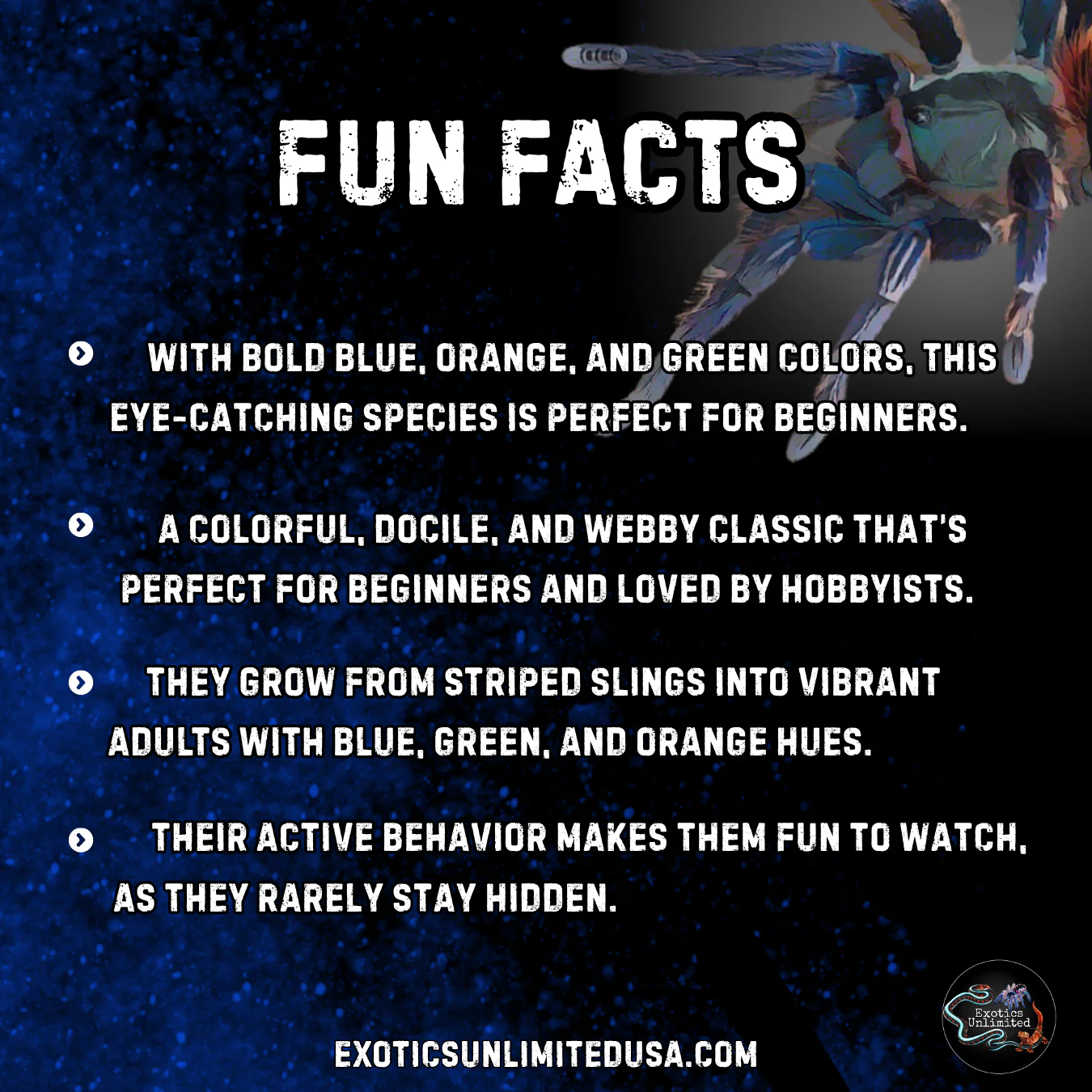
- Color through every stage: Starts with a bold striped spiderling pattern and develops into a highly colorful adult with blue, green, and orange coloration
- Temperament: Generally docile but quick and reactive, relying on speed rather than defensive behavior when disturbed
- Webbing behavior: Extremely heavy webbing behavior, building large, dense web structures that span the entire enclosure
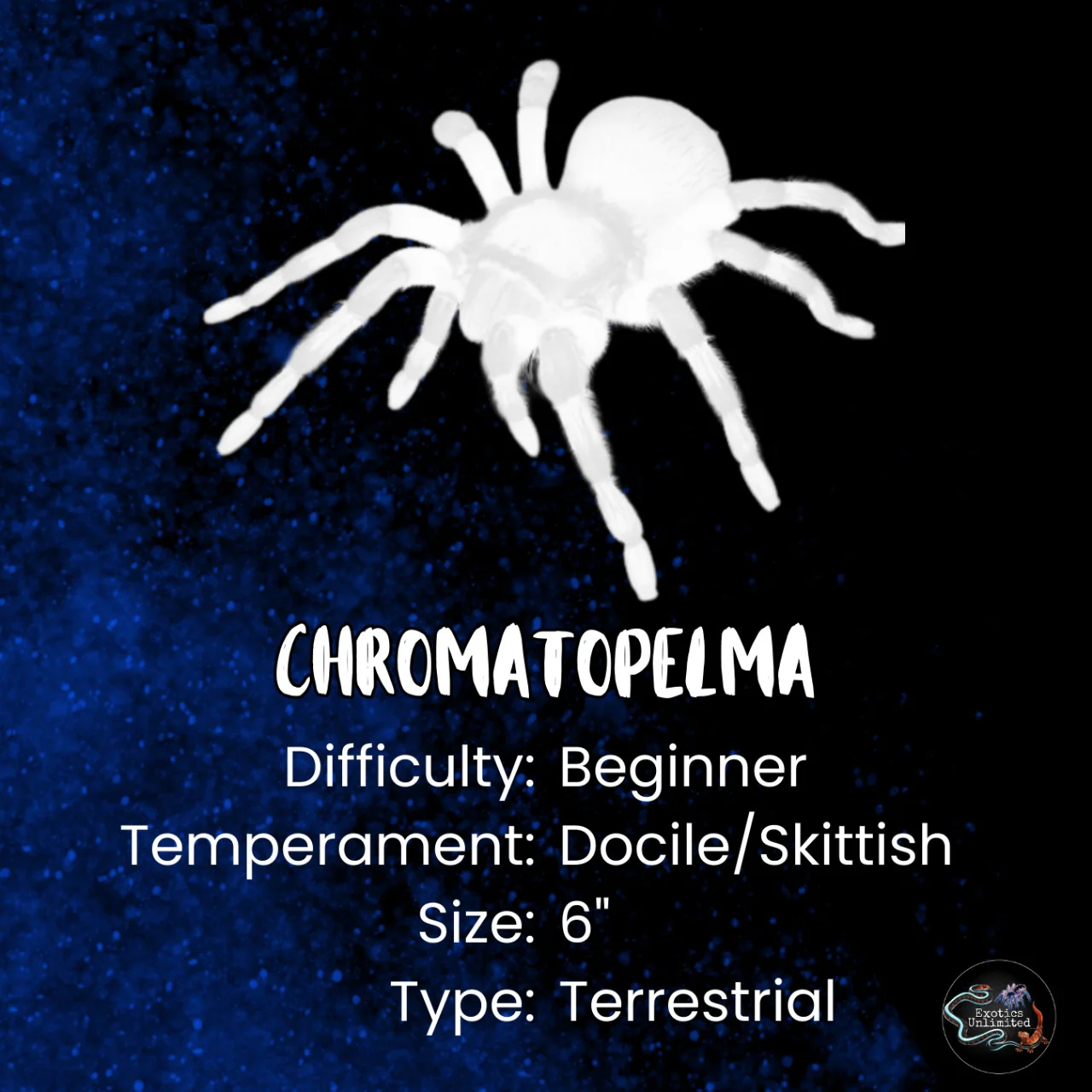
- Adult size and behavior: Reaches a maximum leg span of around 5 to 6 inches, with a long-legged, highly active build and constant visible movement
- Feeding response and activity level: Very strong feeding response, fast-growing, and consistently active, often seen maintaining webbing and interacting with its environment
Care Overview
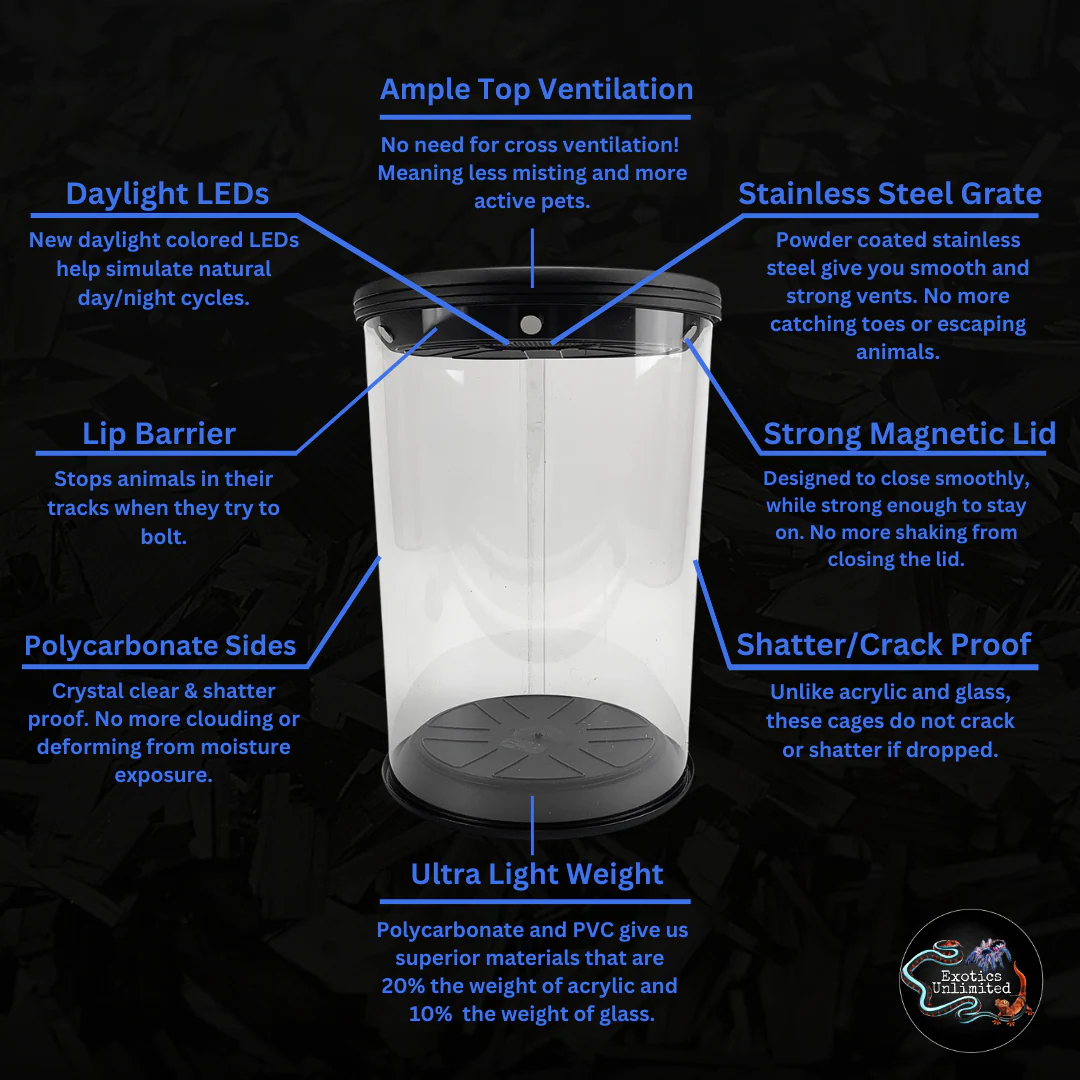
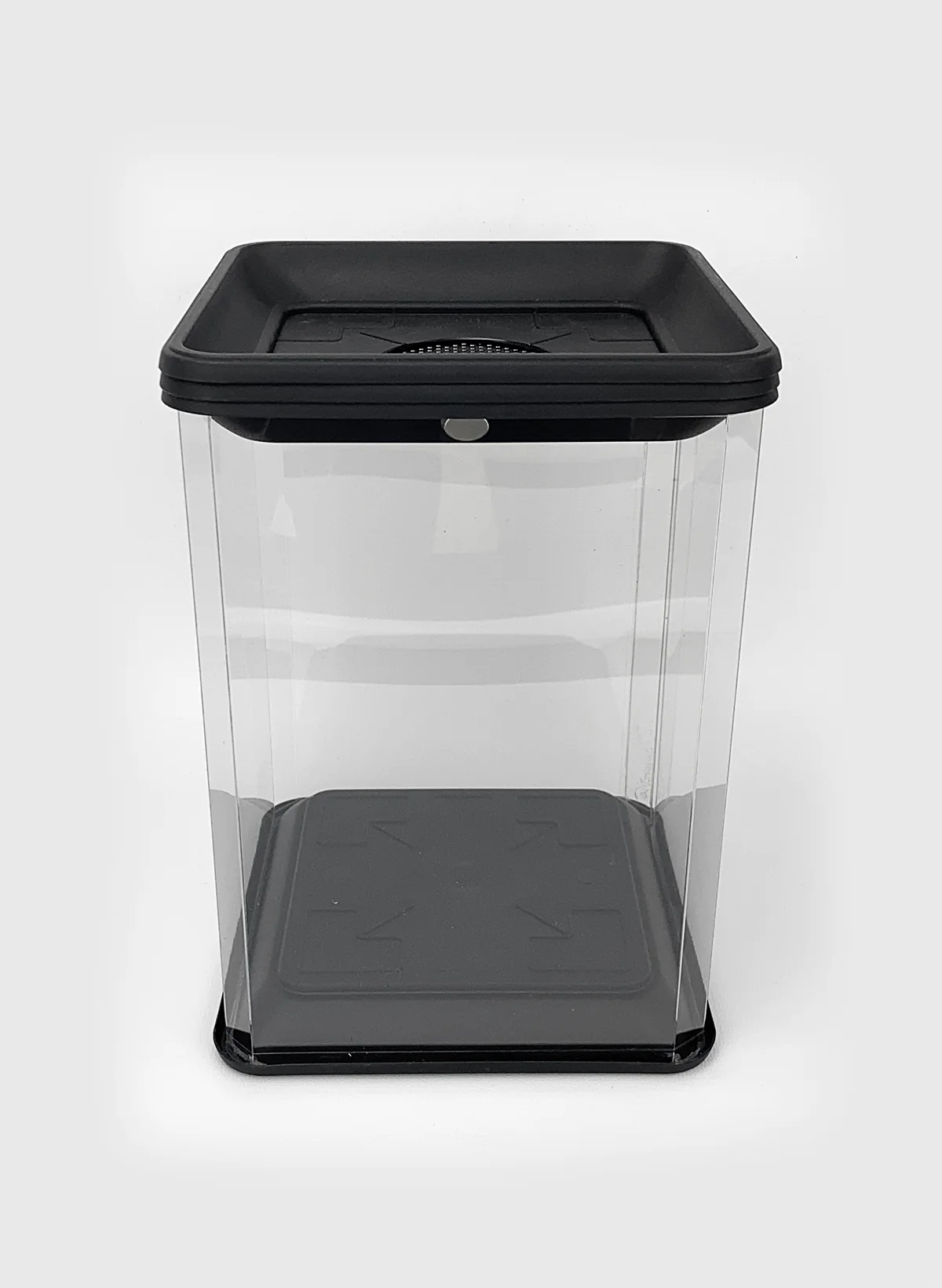
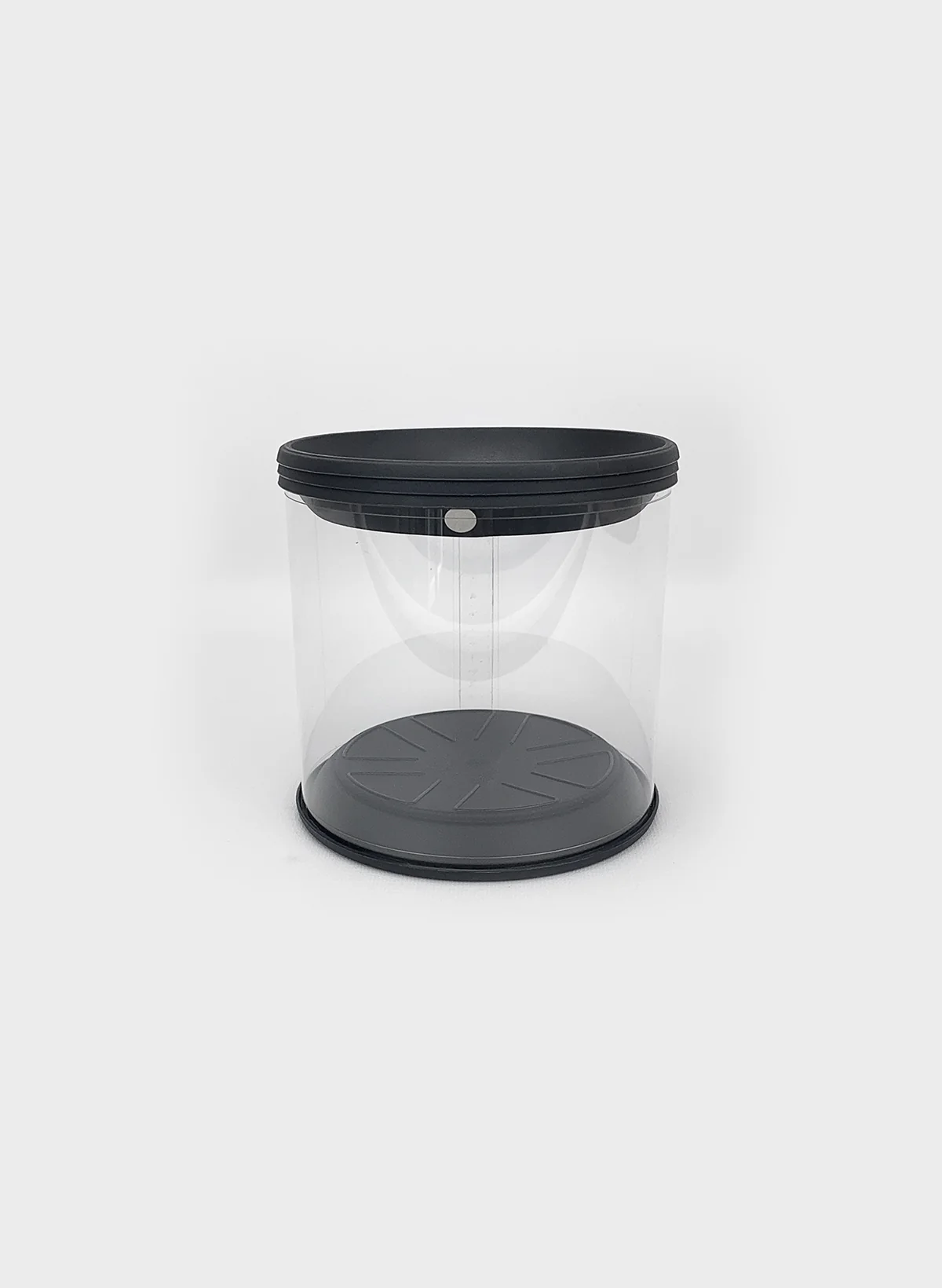
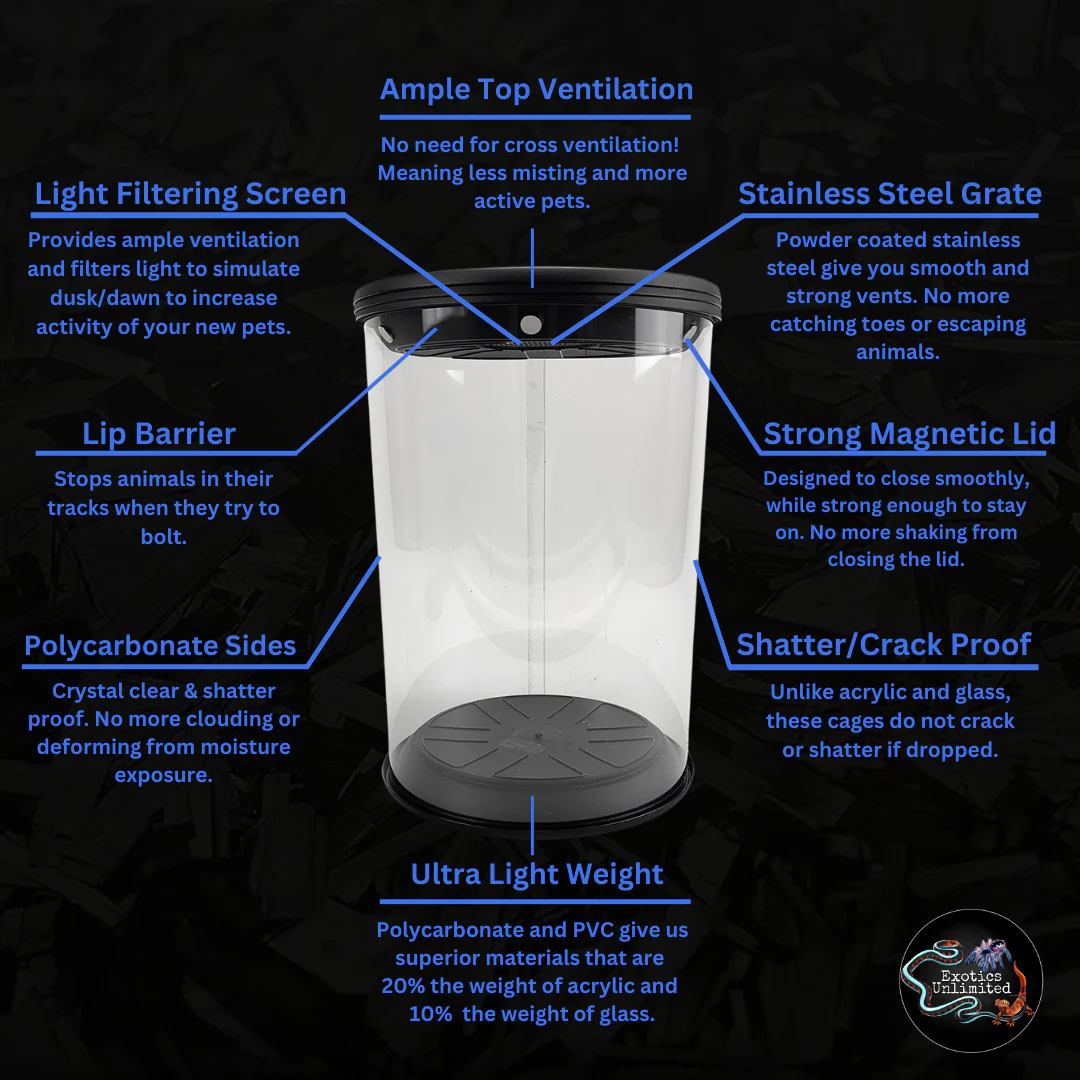
- Enclosure: Provide a semi-arboreal setup with about 2× the leg span as floor space and additional height, including branches, cork bark, and multiple anchor points to support webbing rather than deep substrate
- Temperature: Maintain between 65–75°F with stable conditions
- Humidity: Keep on the drier side with good ventilation, allowing the substrate to dry out between light moisture cycles and avoiding overly damp or stagnant conditions
- Diet: Feed crickets, roaches, or similar prey sized appropriately to the carapace (head); this species typically feeds aggressively and benefits from regular feeding
- Temperament: Generally docile but fast-moving, more likely to retreat quickly than display defensive behavior
Additional Notes or Considerations
This species is often considered one of the best display tarantulas due to its constant visibility and extensive webbing behavior. Unlike many species that spend time hidden, it remains out in the open within its web structures, making it highly engaging to observe.
Spiderlings benefit especially from strong cross ventilation and good airflow. Like most invertebrates, this species does best when conditions are not stagnant or overly humid. Providing airflow while keeping hydration available helps prevent issues and supports consistent growth.
This species does not rely on burrowing and instead builds its environment through webbing. Providing multiple anchor points early on has a direct impact on how much it webs and how visible it remains.
The dramatic transition from a striped spiderling to a fully colored adult makes it one of the most rewarding species to raise, with noticeable changes occurring at each molt.
Product Information
Product Information
Shipping & Returns
Shipping & Returns
Description
Chromatopelma cyaneopubescens (Green Bottle Blue Tarantula)
Chromatopelma cyaneopubescens, commonly known as the Green Bottle Blue Tarantula or (GBB), is one of the most recognizable and visually striking species in the hobby, known for its intense coloration and extremely heavy webbing behavior. As a spiderling, it starts with a bold orange and black striped abdomen, often described as a tiger pattern, with darker legs and little to no blue present. As it grows, it undergoes a dramatic color transformation, with each molt introducing more color. By adulthood, it develops bright metallic blue legs, a green to teal carapace (head), and a vivid orange abdomen, creating one of the most distinct color combinations in the hobby. This species maintains strong coloration throughout its entire life while becoming more vibrant with age. Unlike true arboreal species, it does not live in vertical retreats or burrow, but instead builds extensive web structures across both ground and elevated anchor points. It is constantly active, frequently visible, and known for creating large, dense web structures that can take over the enclosure.
Why Hobbyists Keep Chromatopelma cyaneopubescens (GBB)
- Color through every stage: Starts with a bold striped spiderling pattern and develops into a highly colorful adult with blue, green, and orange coloration
- Temperament: Generally docile but quick and reactive, relying on speed rather than defensive behavior when disturbed
- Webbing behavior: Extremely heavy webbing behavior, building large, dense web structures that span the entire enclosure
- Adult size and behavior: Reaches a maximum leg span of around 5 to 6 inches, with a long-legged, highly active build and constant visible movement
- Feeding response and activity level: Very strong feeding response, fast-growing, and consistently active, often seen maintaining webbing and interacting with its environment
Care Overview
- Enclosure: Provide a semi-arboreal setup with about 2× the leg span as floor space and additional height, including branches, cork bark, and multiple anchor points to support webbing rather than deep substrate
- Temperature: Maintain between 65–75°F with stable conditions
- Humidity: Keep on the drier side with good ventilation, allowing the substrate to dry out between light moisture cycles and avoiding overly damp or stagnant conditions
- Diet: Feed crickets, roaches, or similar prey sized appropriately to the carapace (head); this species typically feeds aggressively and benefits from regular feeding
- Temperament: Generally docile but fast-moving, more likely to retreat quickly than display defensive behavior
Additional Notes or Considerations
This species is often considered one of the best display tarantulas due to its constant visibility and extensive webbing behavior. Unlike many species that spend time hidden, it remains out in the open within its web structures, making it highly engaging to observe.
Spiderlings benefit especially from strong cross ventilation and good airflow. Like most invertebrates, this species does best when conditions are not stagnant or overly humid. Providing airflow while keeping hydration available helps prevent issues and supports consistent growth.
This species does not rely on burrowing and instead builds its environment through webbing. Providing multiple anchor points early on has a direct impact on how much it webs and how visible it remains.
The dramatic transition from a striped spiderling to a fully colored adult makes it one of the most rewarding species to raise, with noticeable changes occurring at each molt.