Avicularia sp. 'Tucurui' Tarantula *RARE*
Avicularia sp. 'Tucurui' Tarantula
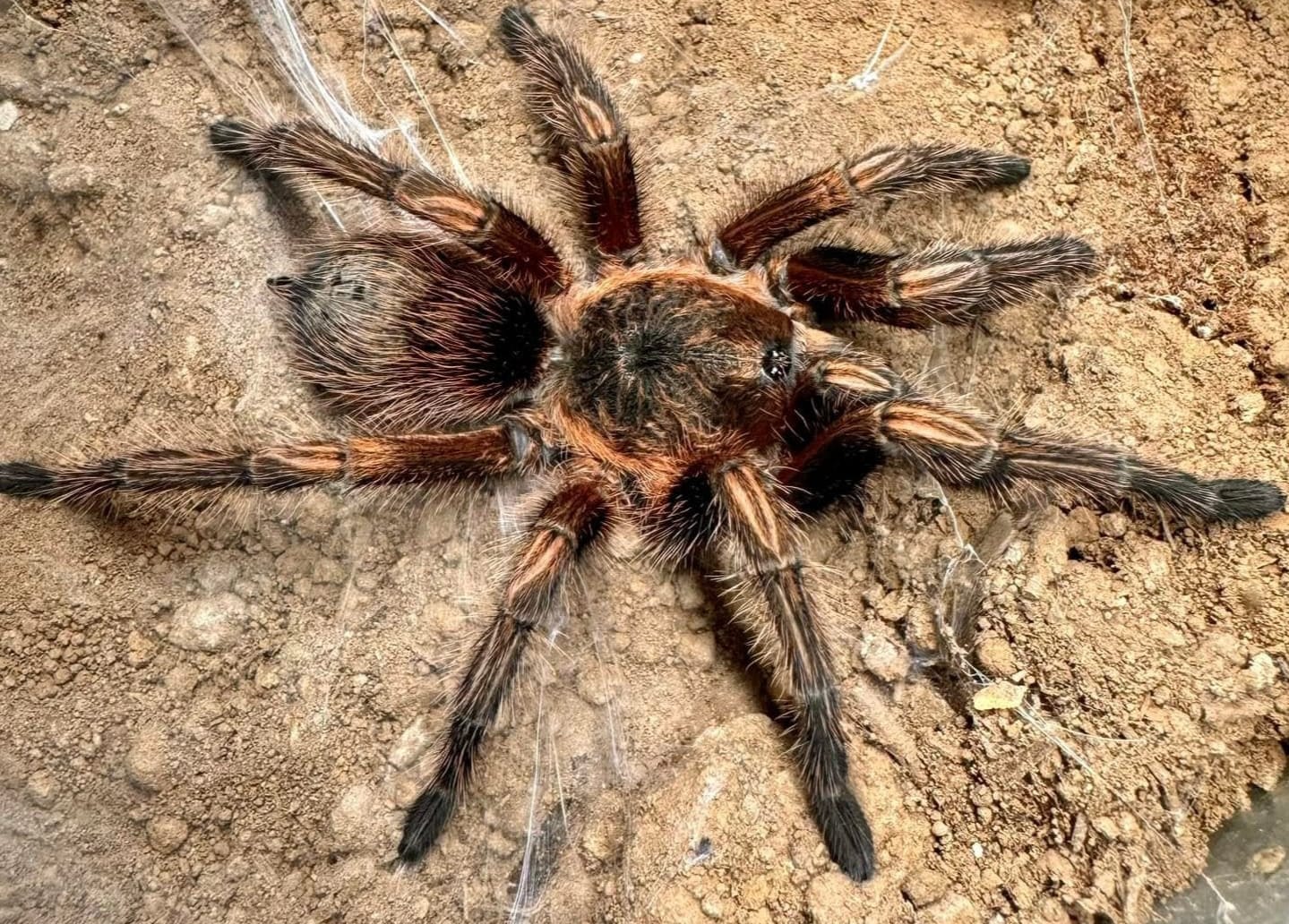
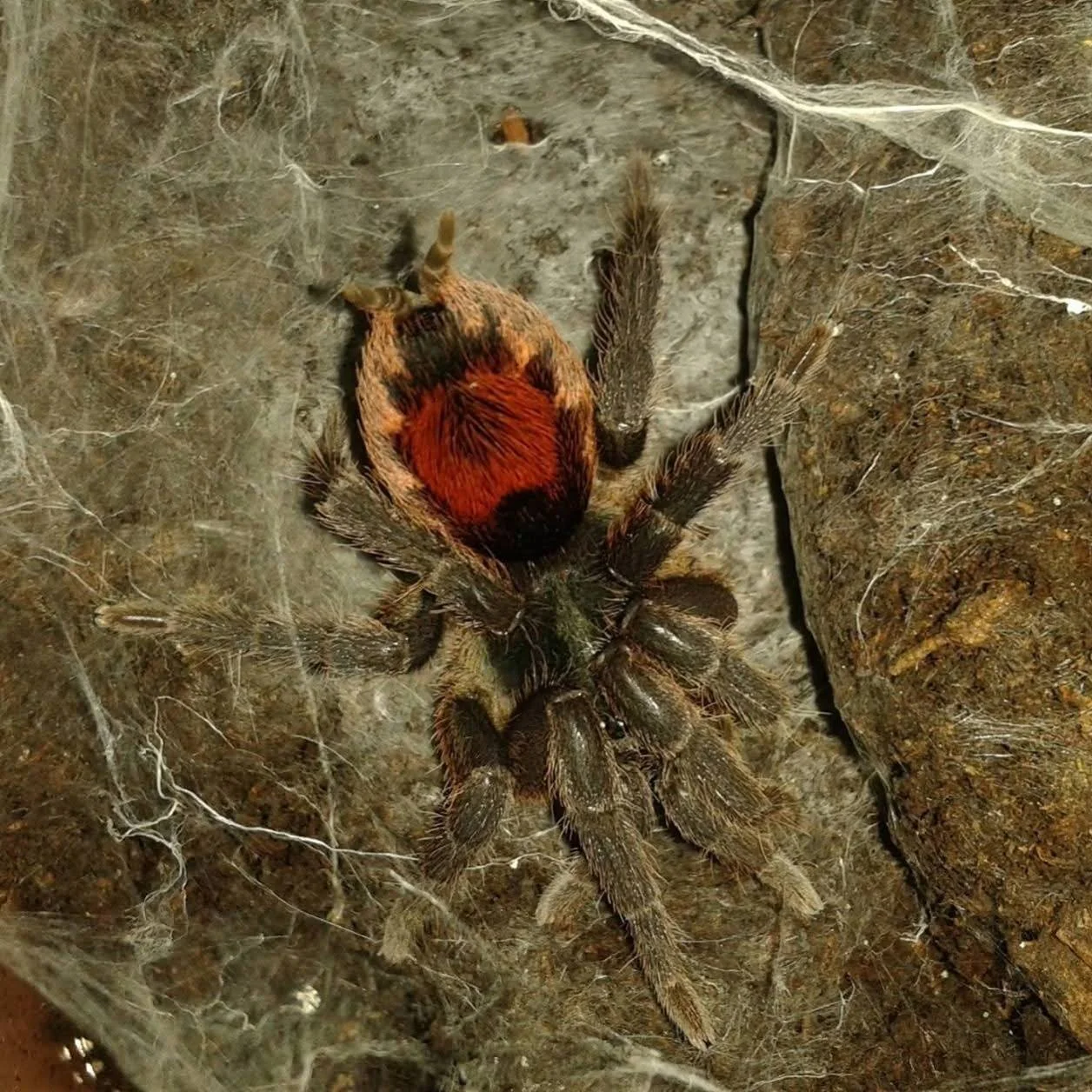
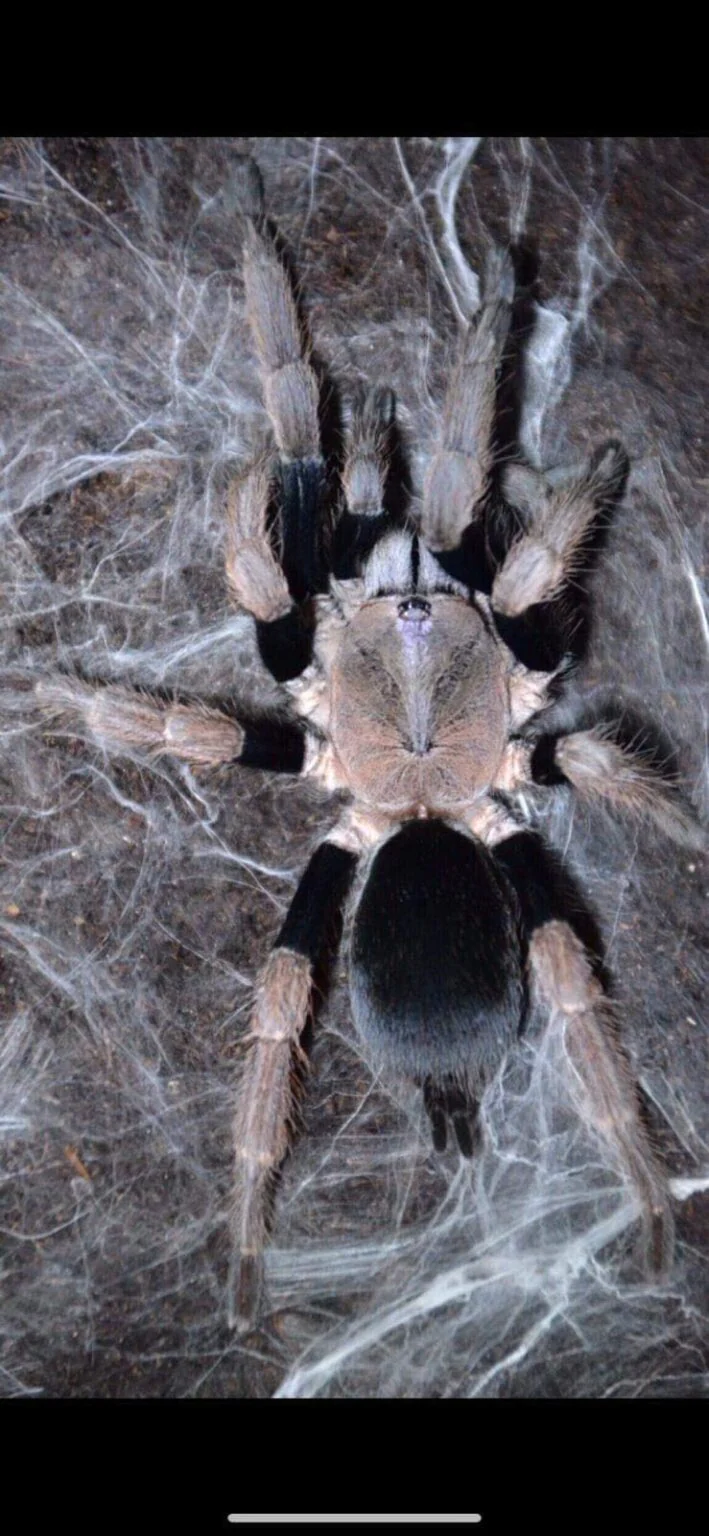
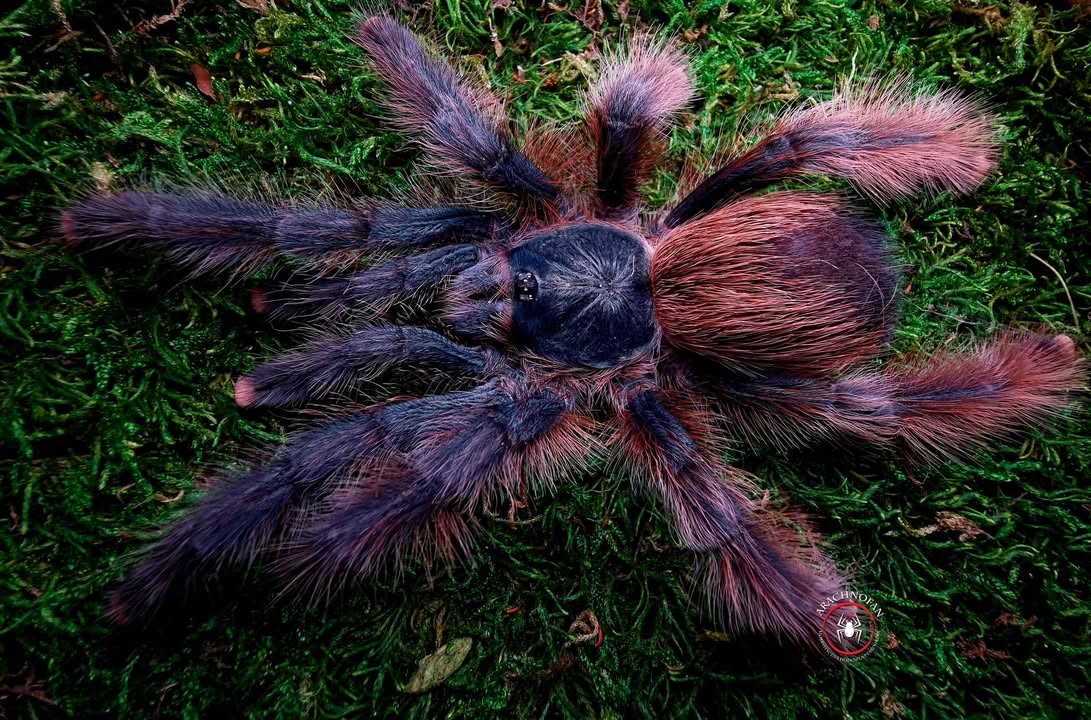
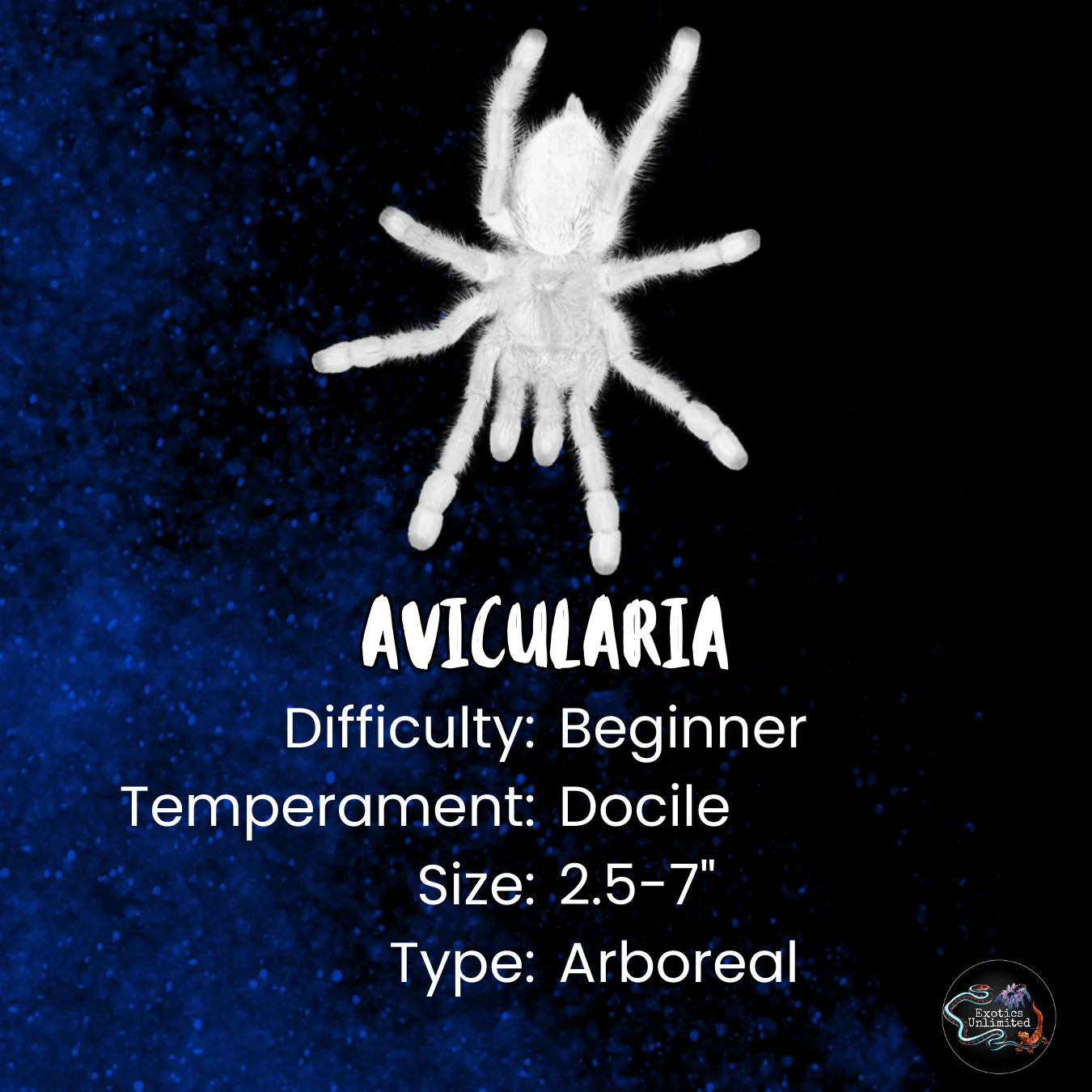
Avicularia sp. 'Tucurui' has the soft velvety look that makes pink toes so recognizable, but the warmer hair coverage gives it a different feel from the more common blue-leaning species. Babies still resemble the common Guyana pink toe look with pink-and-black coloration, then transition into the warmer adult presentation supported by the store images and notes. Adults reach about 6 inches, giving the species noticeably more presence than the smaller pink toe forms without pushing all the way into the largest giant types. This rare New World tarantula for sale is great for keepers that love pink toes or are looking to complete their collection!
Why do hobbyists keep Avicularia sp. 'Tucurui' Tarantula?
- Warm Contrast: Reddish-pink abdominal hairs against a cooler blue-green base give it a more unusual pink toe color balance.
- Color Change Throughout Its Life: Babies begin with the familiar pink-and-black common pink toe look before transitioning into the warmer adult coloration.
- Docile Temperament: It keeps the more manageable pink toe reputation that appeals to a broad range of keepers.
- Great Display Species: Heavy webbing and elevated retreats make it rewarding to watch once it feels secure.
- Manageable Larger Size: At about 6 inches, it offers more presence than the smaller species without being framed as a true giant form.
Care Overview
- Enclosure: Arboreal setup with roughly 2x the leg span as the footprint and 3x the leg span as the height, with vertical cork bark, foliage, and several anchor points for webbing.
- Temperature: 65-75°F
- Humidity: Moderate to high humidity with slightly moist substrate and strong cross ventilation. Avoid stale or overly wet conditions.
- Diet: Feed crickets, roaches, or similar prey no larger than the tarantula's carapace (head). For smaller specimens, placing prey directly on the webbing can improve feeding consistency.
Additional Notes or Considerations
- Like many aviculariines, younger specimens usually do better in smaller well-ventilated setups where they can web quickly and feel secure.
- Bark matters with this group. Real sterile cork bark often improves settling, retreat building, and long-term visibility.
Original: $125.00
-65%$125.00
$43.75Product Information
Product Information
Shipping & Returns
Shipping & Returns
Description
Avicularia sp. 'Tucurui' Tarantula
Avicularia sp. 'Tucurui' has the soft velvety look that makes pink toes so recognizable, but the warmer hair coverage gives it a different feel from the more common blue-leaning species. Babies still resemble the common Guyana pink toe look with pink-and-black coloration, then transition into the warmer adult presentation supported by the store images and notes. Adults reach about 6 inches, giving the species noticeably more presence than the smaller pink toe forms without pushing all the way into the largest giant types. This rare New World tarantula for sale is great for keepers that love pink toes or are looking to complete their collection!
Why do hobbyists keep Avicularia sp. 'Tucurui' Tarantula?
- Warm Contrast: Reddish-pink abdominal hairs against a cooler blue-green base give it a more unusual pink toe color balance.
- Color Change Throughout Its Life: Babies begin with the familiar pink-and-black common pink toe look before transitioning into the warmer adult coloration.
- Docile Temperament: It keeps the more manageable pink toe reputation that appeals to a broad range of keepers.
- Great Display Species: Heavy webbing and elevated retreats make it rewarding to watch once it feels secure.
- Manageable Larger Size: At about 6 inches, it offers more presence than the smaller species without being framed as a true giant form.
Care Overview
- Enclosure: Arboreal setup with roughly 2x the leg span as the footprint and 3x the leg span as the height, with vertical cork bark, foliage, and several anchor points for webbing.
- Temperature: 65-75°F
- Humidity: Moderate to high humidity with slightly moist substrate and strong cross ventilation. Avoid stale or overly wet conditions.
- Diet: Feed crickets, roaches, or similar prey no larger than the tarantula's carapace (head). For smaller specimens, placing prey directly on the webbing can improve feeding consistency.
Additional Notes or Considerations
- Like many aviculariines, younger specimens usually do better in smaller well-ventilated setups where they can web quickly and feel secure.
- Bark matters with this group. Real sterile cork bark often improves settling, retreat building, and long-term visibility.