Avicularia sp. 'Metallica' M6 (Metallic Pink Toe Tarantula)
Avicularia sp. 'Metallica' (Metallic Pink Toe Tarantula)
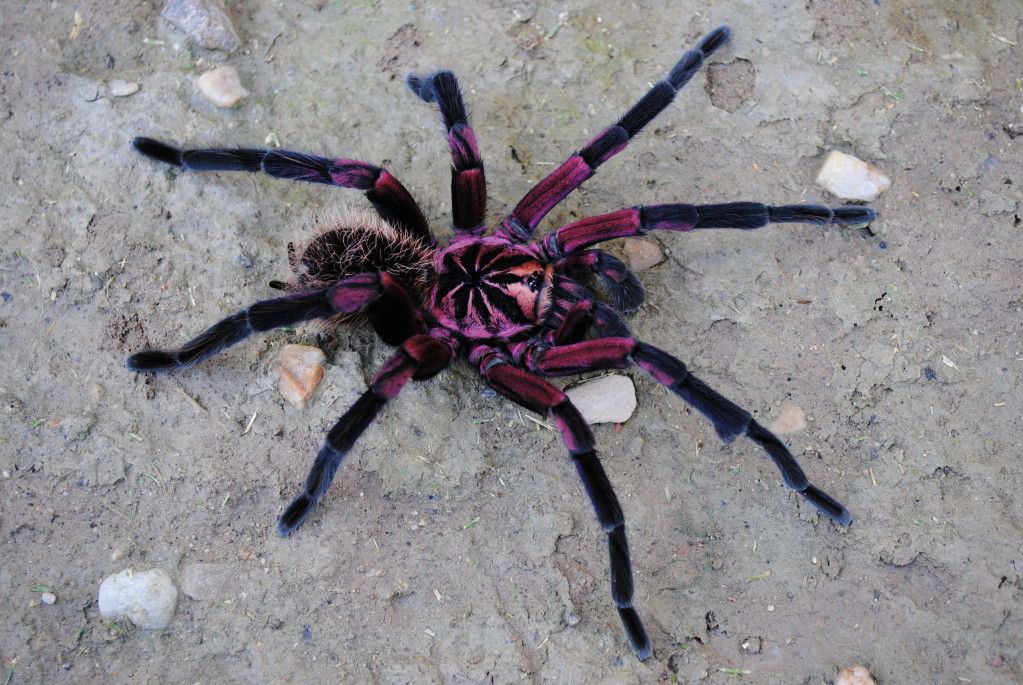
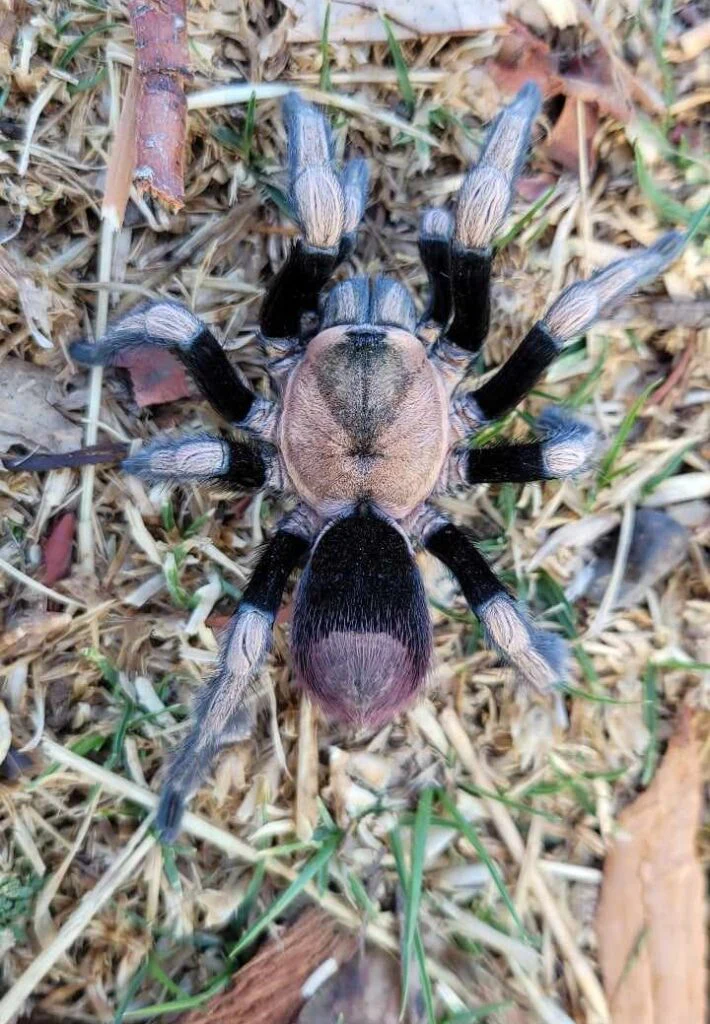
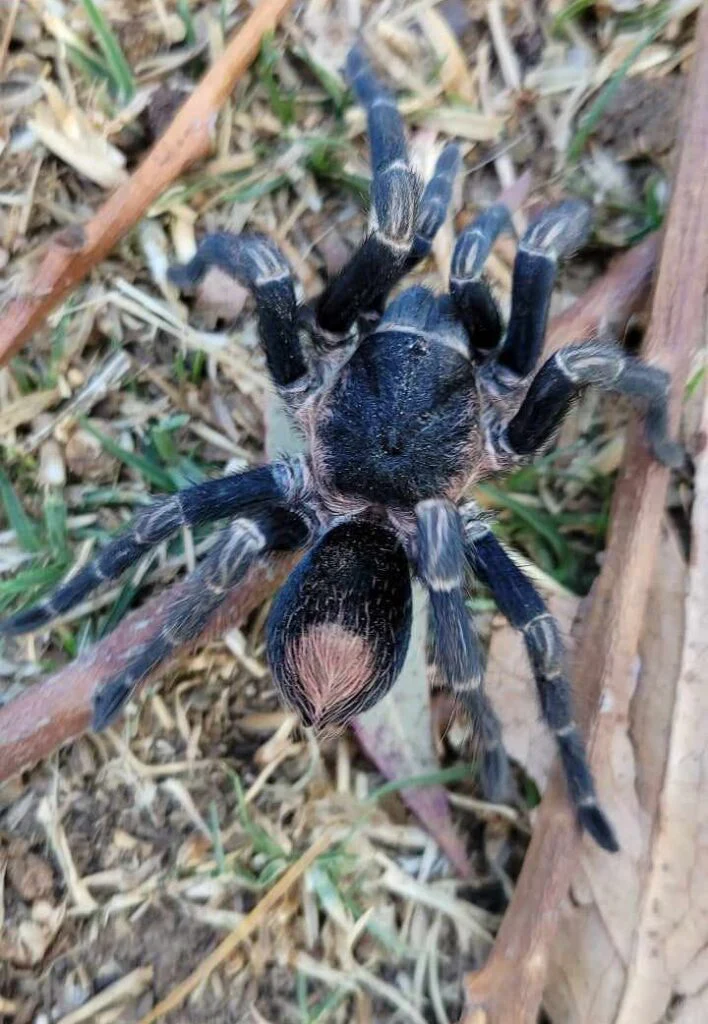
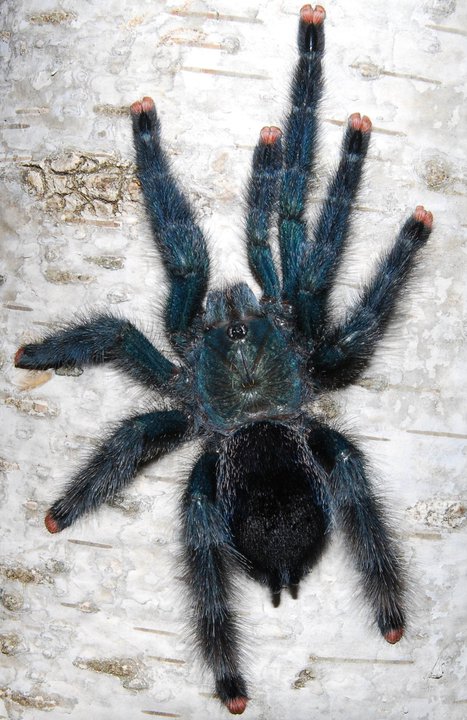
Avicularia sp. 'Metallica' is one of the hobby pink toes where the older trade name still carries a lot of recognition even when the taxonomy can be discussed more carefully. Babies resemble the common Guyana pink toe look with pink-and-black coloration, then transition into the cooler metallic adult appearance that gave the species its hobby name. Adults will grow to around 5 inches, and display a gorgeous blue coloration with white tipped hairs giving it a "metallic" look. Grab this New World tarantula for sale today if you want a classic pink toe species with metallic adult coloration and a more specialized overall look.
Why do hobbyists keep Avicularia sp. 'Metallica'?
- Color: The metallic adult look is the main reason people seek this species out over a standard common pink toe.
- Color Change Throughout Its Life: Babies begin with the common pink-and-black sling pattern before the cooler metallic adult tones develop.
- Docile Temperament: It keeps the familiar pink toe temperament and behavior profile that many keepers already enjoy.
- Great Display Species: Once it settles into an upper retreat, it behaves the way people expect a classic bark-dwelling pink toe to behave.
- Hobby Recognition: This is one of those names that many keepers already know, which helps it stay popular.
Care Overview
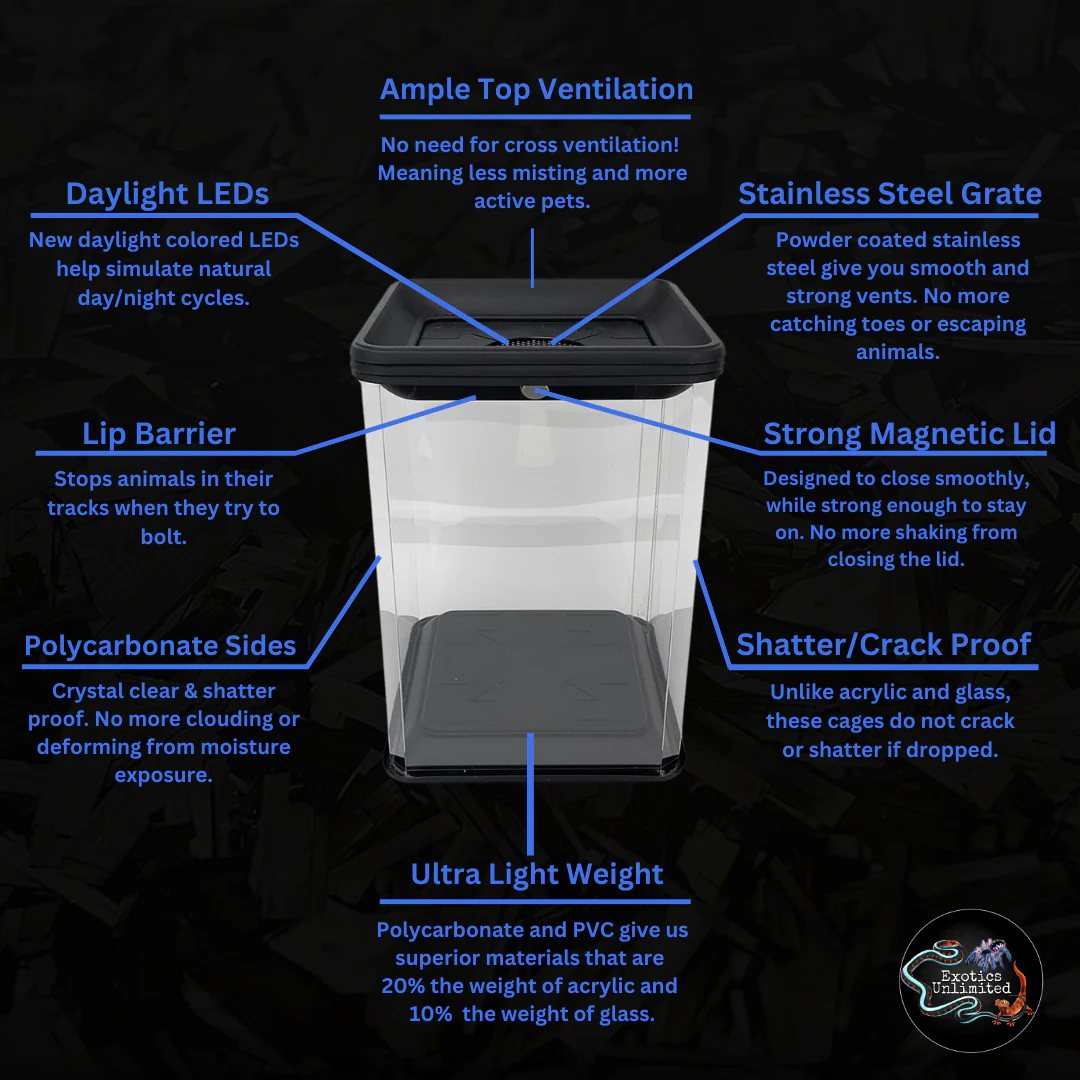
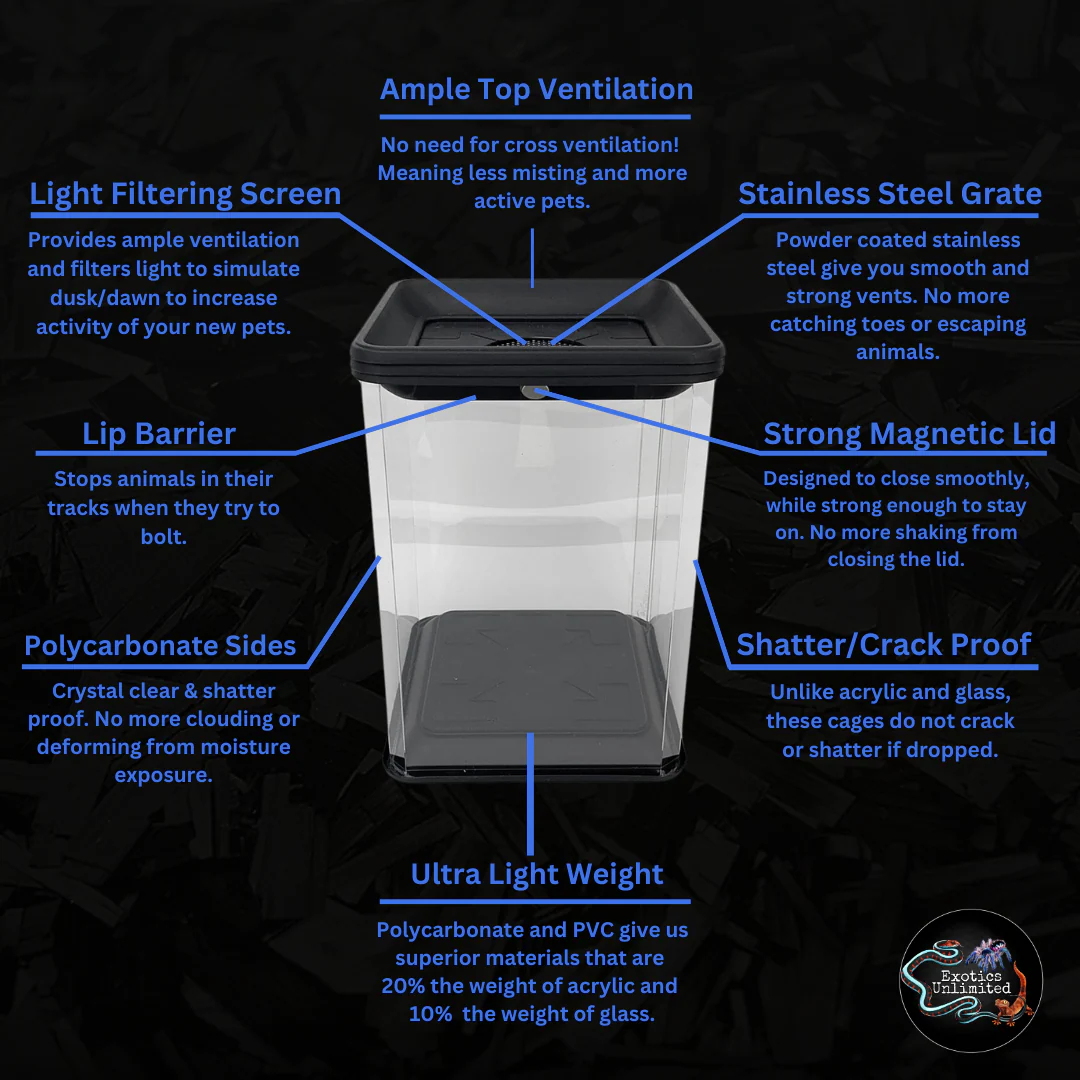
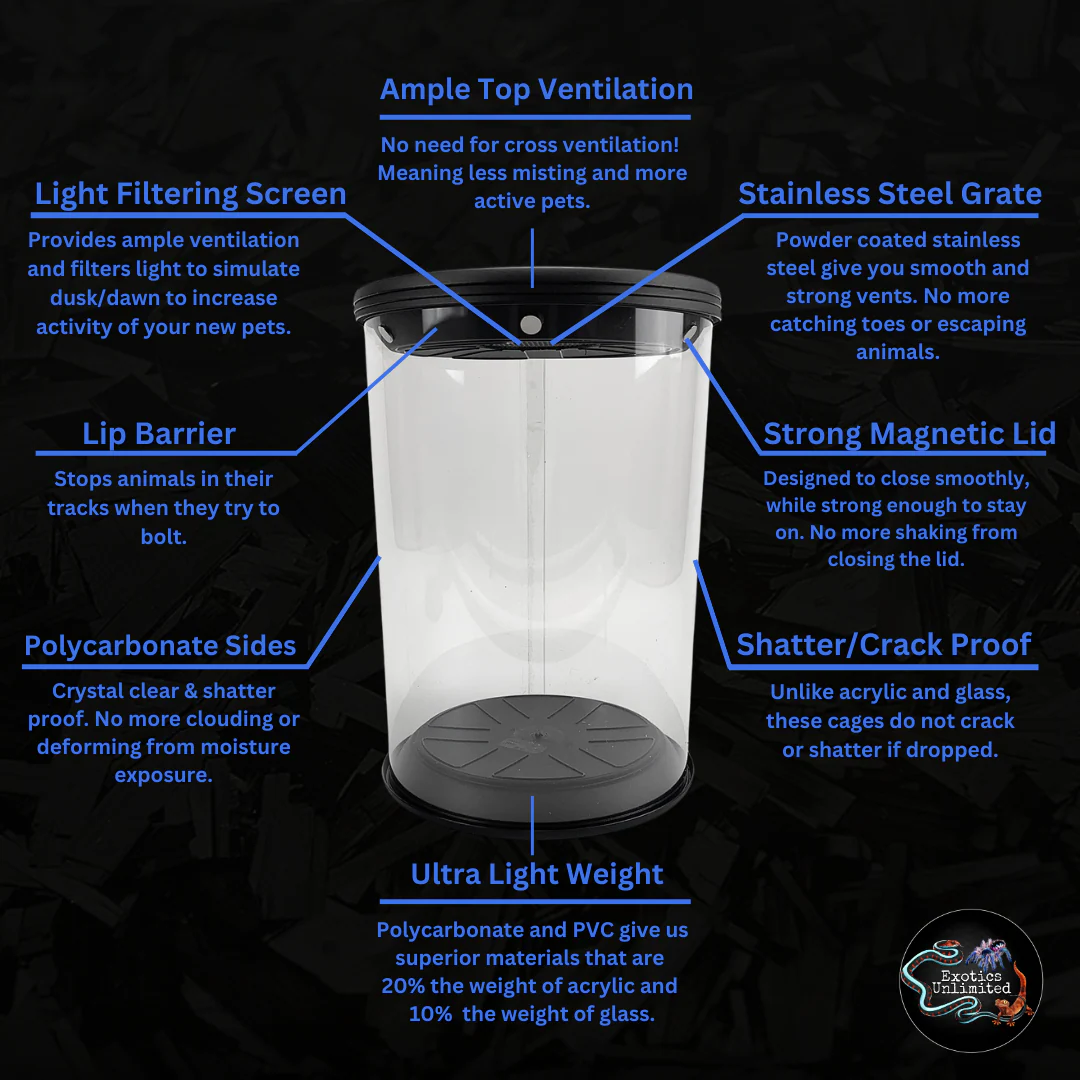
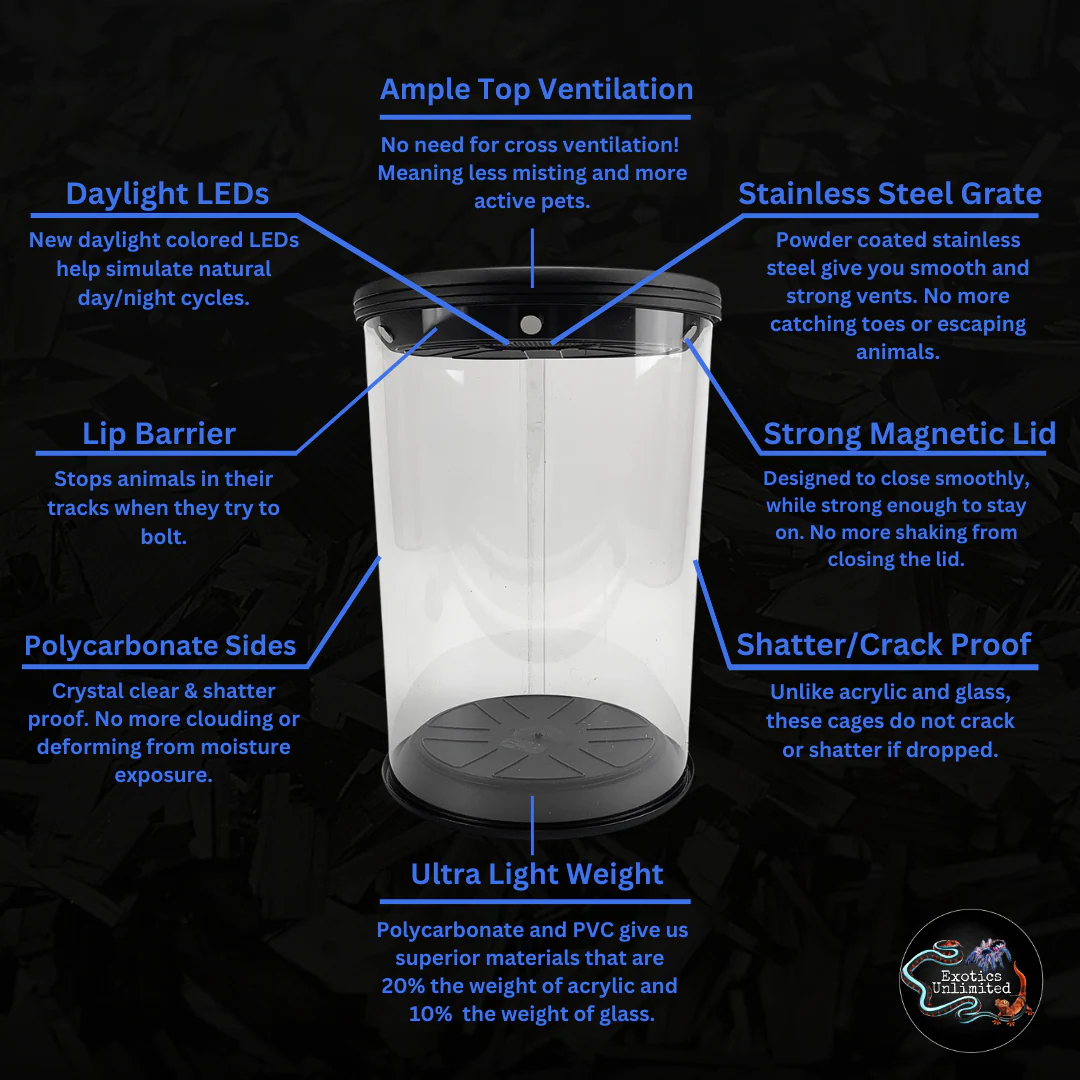
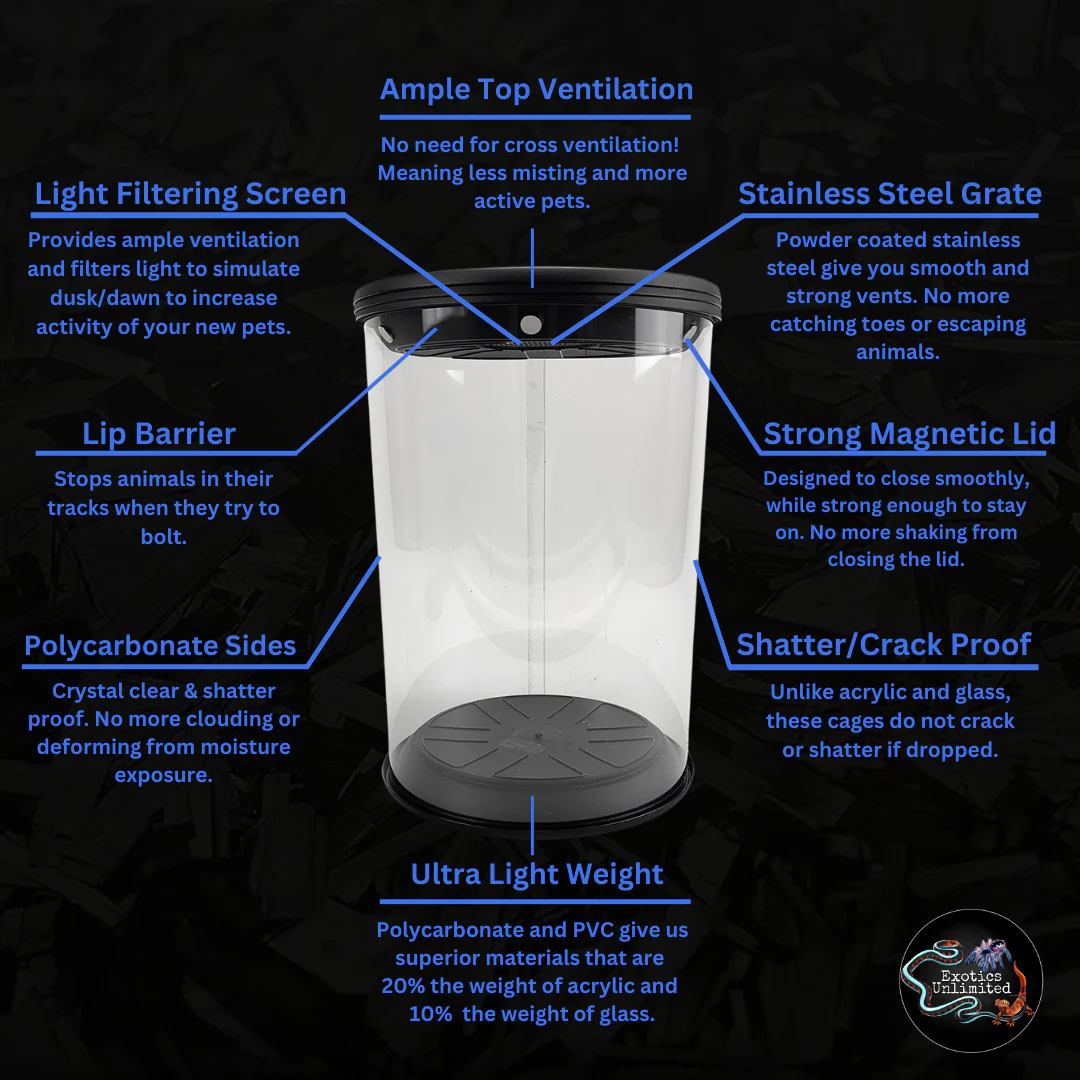
- Enclosure: Arboreal setup with roughly 2x the leg span as the footprint and 3x the leg span as the height, with bark, foliage, and plenty of retreat anchors.
- Temperature: 65-75°F
- Humidity: Moderate to high humidity with slightly moist substrate and strong cross ventilation.
- Diet: Feed crickets, roaches, or similar prey no larger than the tarantula's carapace (head).
Additional Notes or Considerations
- For authority-focused content, this is a good species to acknowledge carefully as a hobby-recognized form without forcing unsupported taxonomic certainty into the listing.
- The baby-to-adult shift matters because the metallic adult appeal is not obvious at the earliest stages.
Original: $55.00
-65%$55.00
$19.25Product Information
Product Information
Shipping & Returns
Shipping & Returns
Description
Avicularia sp. 'Metallica' (Metallic Pink Toe Tarantula)
Avicularia sp. 'Metallica' is one of the hobby pink toes where the older trade name still carries a lot of recognition even when the taxonomy can be discussed more carefully. Babies resemble the common Guyana pink toe look with pink-and-black coloration, then transition into the cooler metallic adult appearance that gave the species its hobby name. Adults will grow to around 5 inches, and display a gorgeous blue coloration with white tipped hairs giving it a "metallic" look. Grab this New World tarantula for sale today if you want a classic pink toe species with metallic adult coloration and a more specialized overall look.
Why do hobbyists keep Avicularia sp. 'Metallica'?
- Color: The metallic adult look is the main reason people seek this species out over a standard common pink toe.
- Color Change Throughout Its Life: Babies begin with the common pink-and-black sling pattern before the cooler metallic adult tones develop.
- Docile Temperament: It keeps the familiar pink toe temperament and behavior profile that many keepers already enjoy.
- Great Display Species: Once it settles into an upper retreat, it behaves the way people expect a classic bark-dwelling pink toe to behave.
- Hobby Recognition: This is one of those names that many keepers already know, which helps it stay popular.
Care Overview
- Enclosure: Arboreal setup with roughly 2x the leg span as the footprint and 3x the leg span as the height, with bark, foliage, and plenty of retreat anchors.
- Temperature: 65-75°F
- Humidity: Moderate to high humidity with slightly moist substrate and strong cross ventilation.
- Diet: Feed crickets, roaches, or similar prey no larger than the tarantula's carapace (head).
Additional Notes or Considerations
- For authority-focused content, this is a good species to acknowledge carefully as a hobby-recognized form without forcing unsupported taxonomic certainty into the listing.
- The baby-to-adult shift matters because the metallic adult appeal is not obvious at the earliest stages.