Avicularia sp. 'Colombia' (Colombian Purple Pink Toe Tarantula) 0.5-0.75 FREE AFTER $500 SPENT
Avicularia sp. 'Colombia' (Colombian Purple Pink Toe Tarantula)
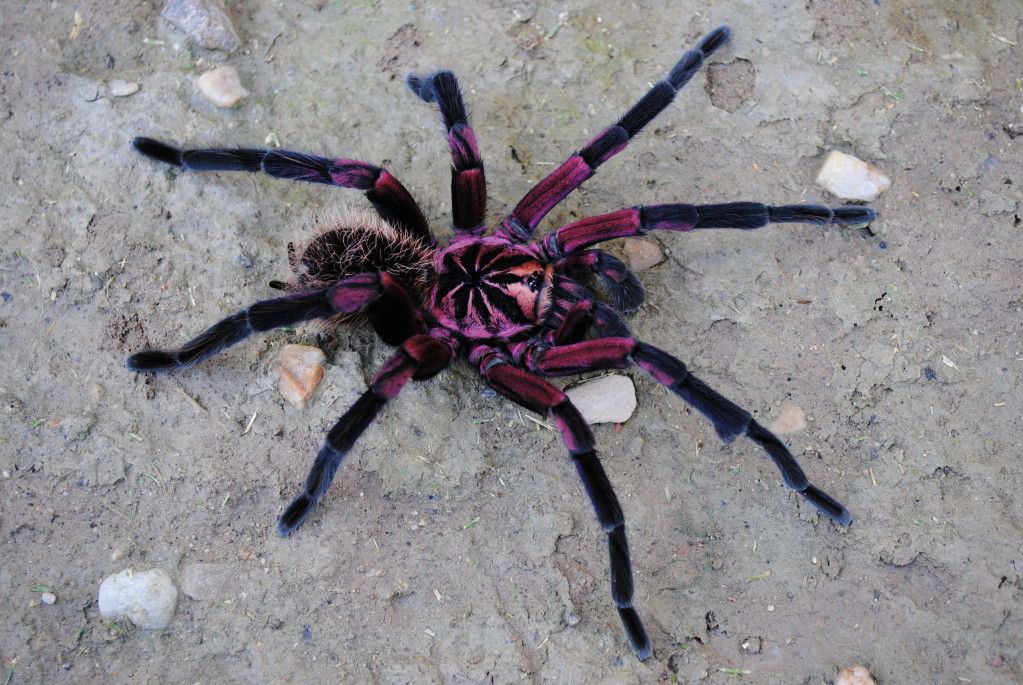
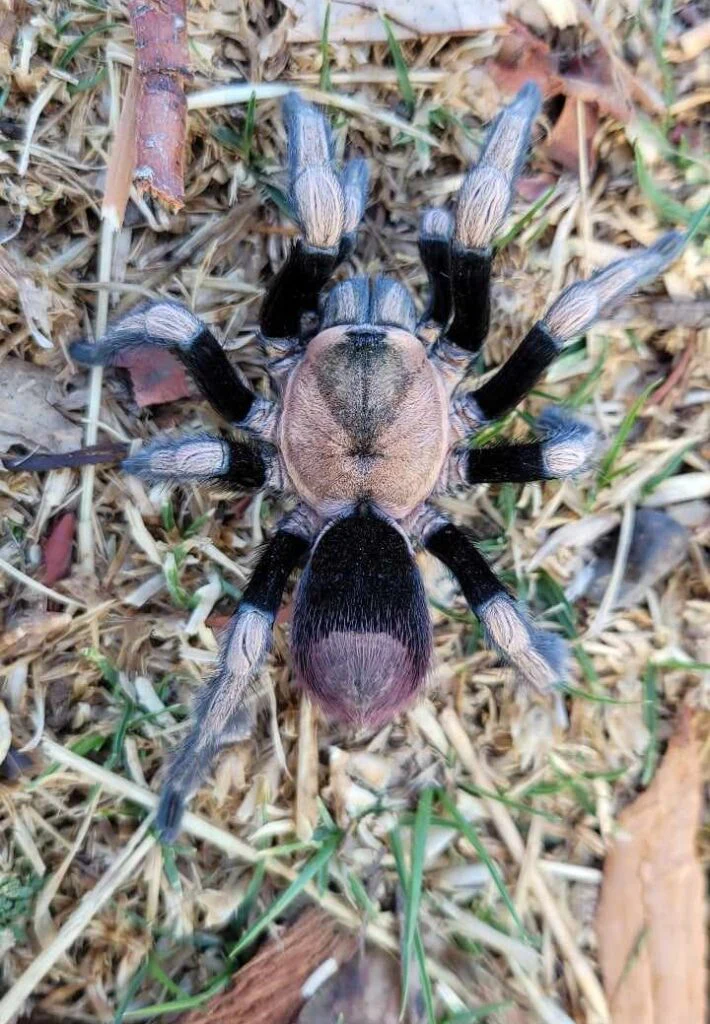
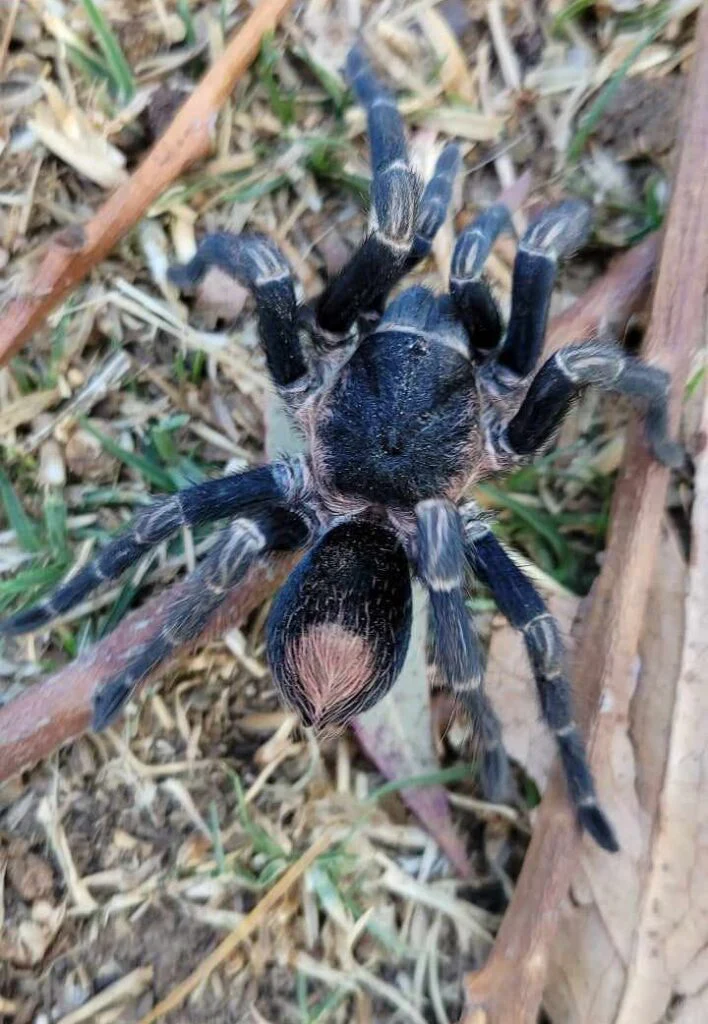
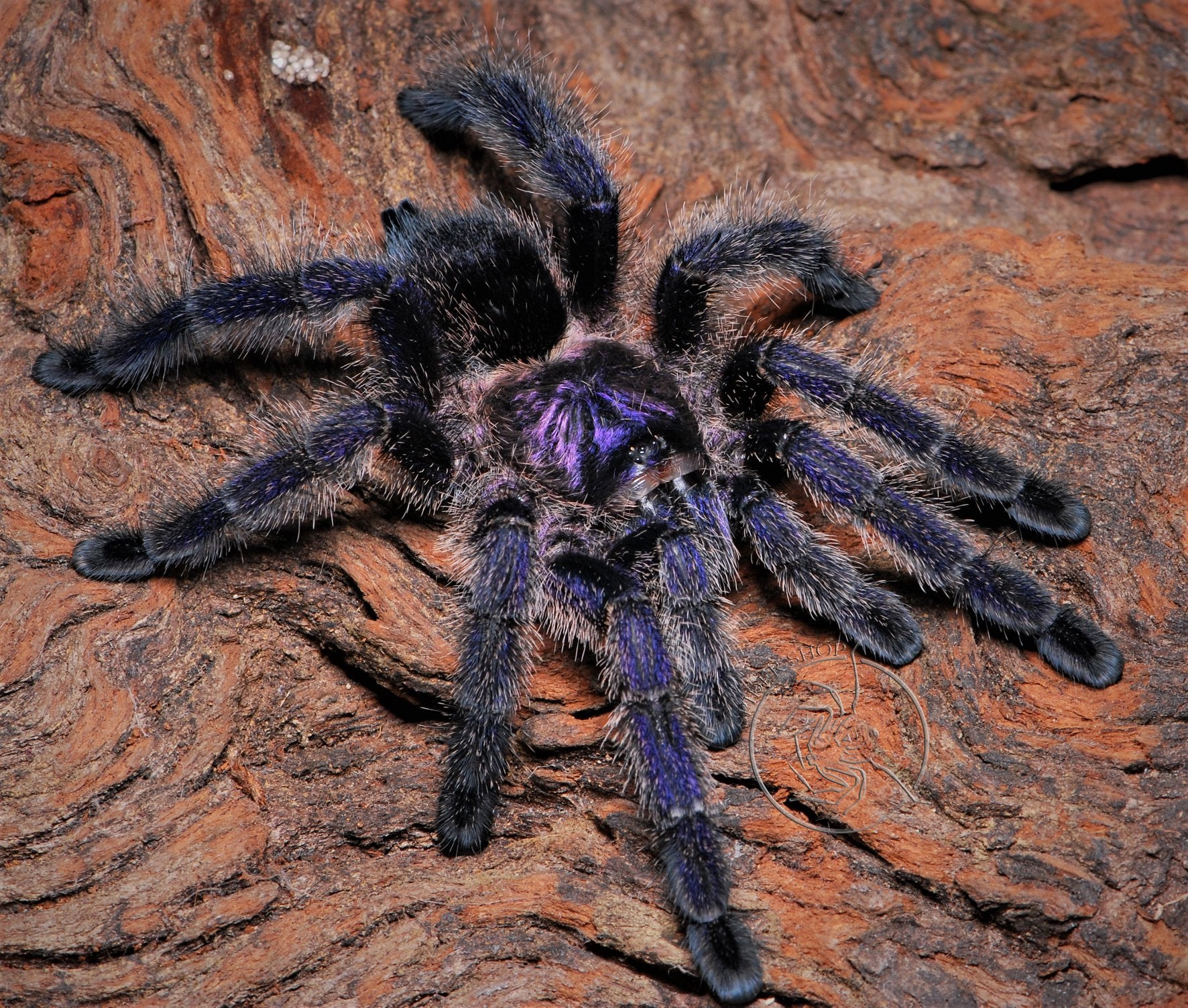
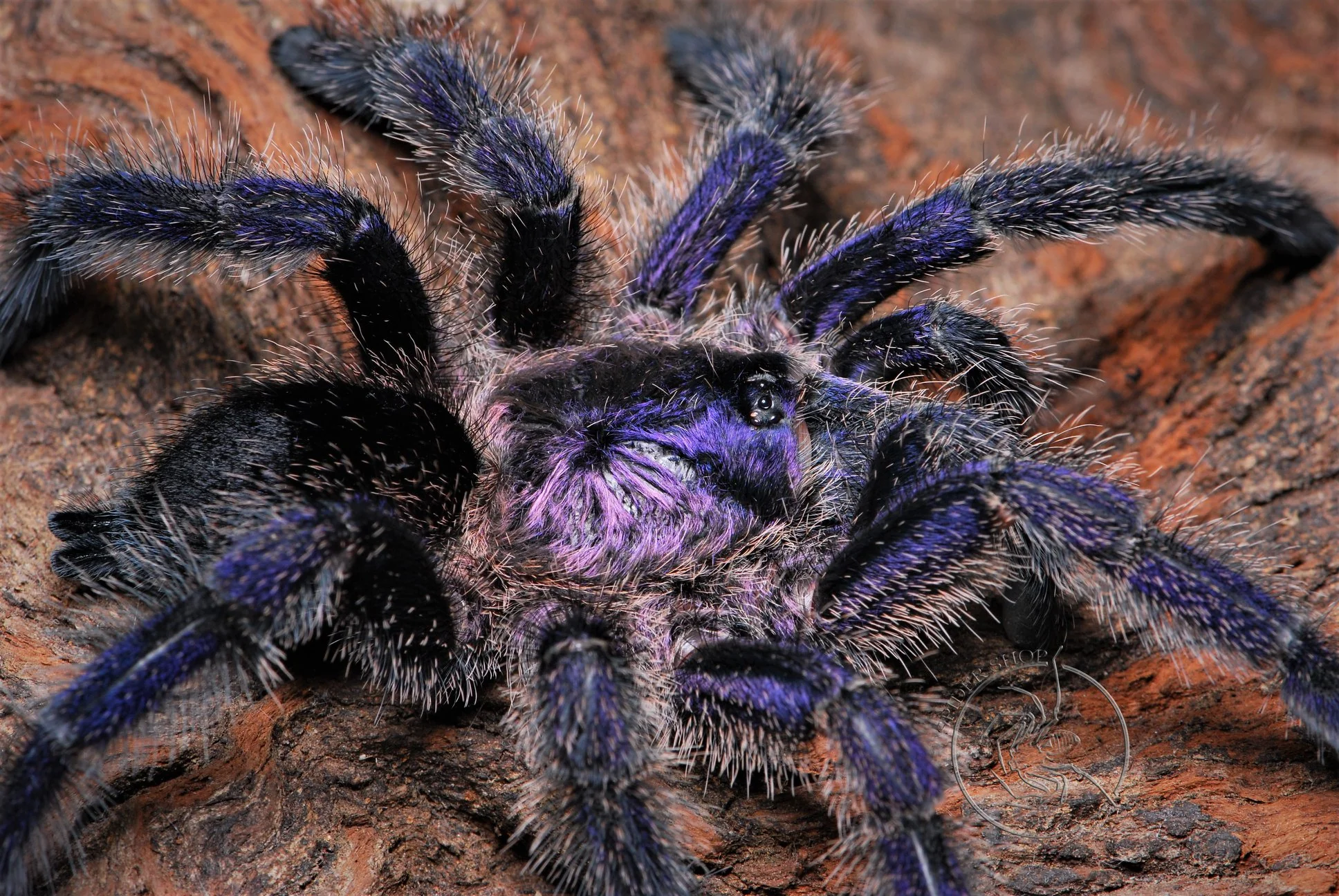
Avicularia sp. 'Colombia' is a beautiful purple pink toe form, known for rich purple tones, orange abdominal markings in younger specimens, heavy webbing, and very docile behavior. It is often compared to Avicularia purpurea, but it stands apart by carrying its own look and locality appeal, especially during growth when the orange abdominal markings are more pronounced. Grab this New World tarantula for sale today if you want a classic pink toe species with richer purple tones and more colorful juvenile markings.
Why do hobbyists keep Avicularia sp. 'Colombia'?
- Purple Coloration: This is a strong purple-toned pink toe that especially appeals to keepers who enjoy darker Avicularia species.
- Juvenile Markings: Younger specimens can show attractive orange abdominal striping that helps distinguish this form.
- Webbing Behavior: This species is a heavy webber and often builds thick retreats in the upper enclosure.
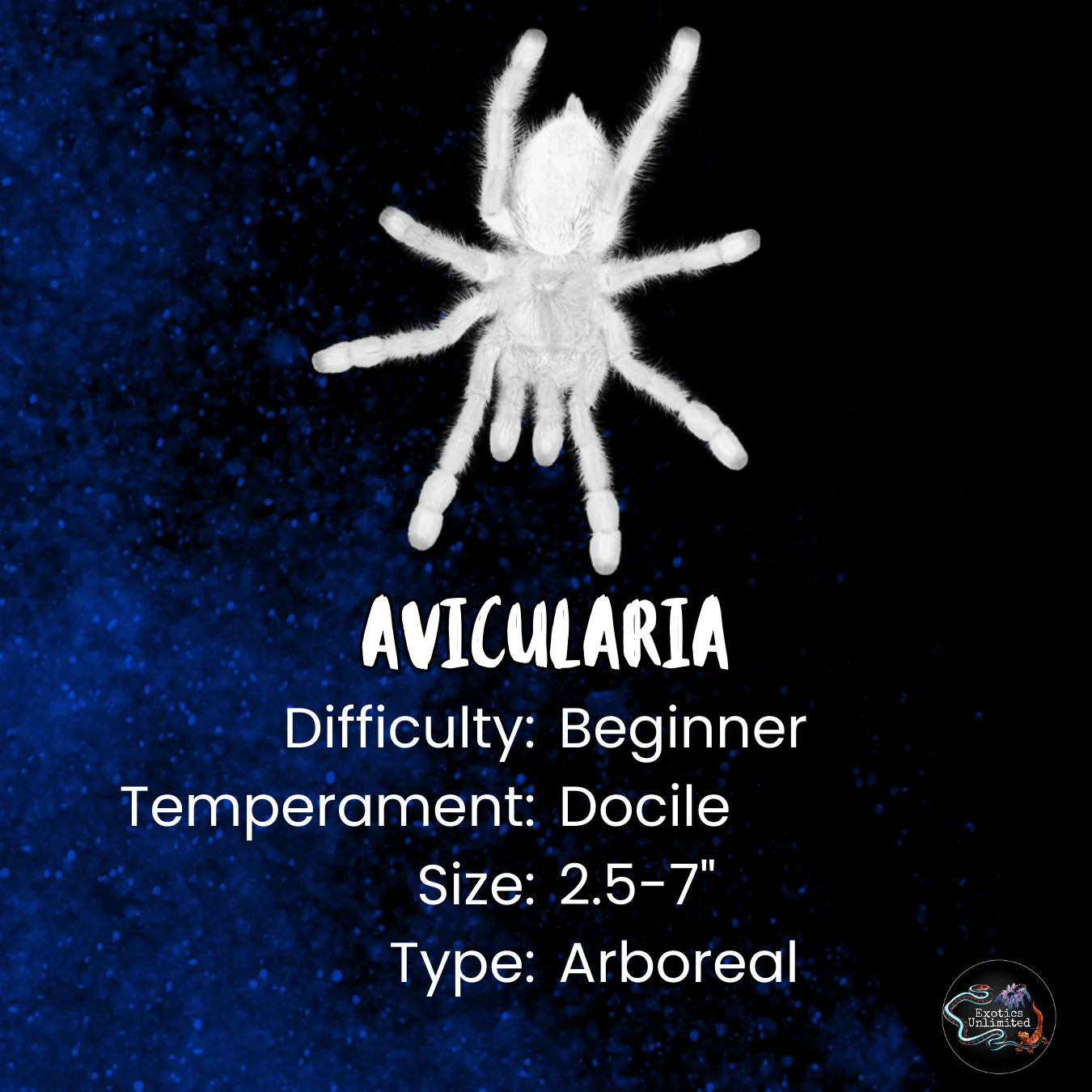
- Docile Behavior: Usually very docile, though still quick and capable of sudden movement like many arboreals.
How should Avicularia sp. 'Colombia' be kept?
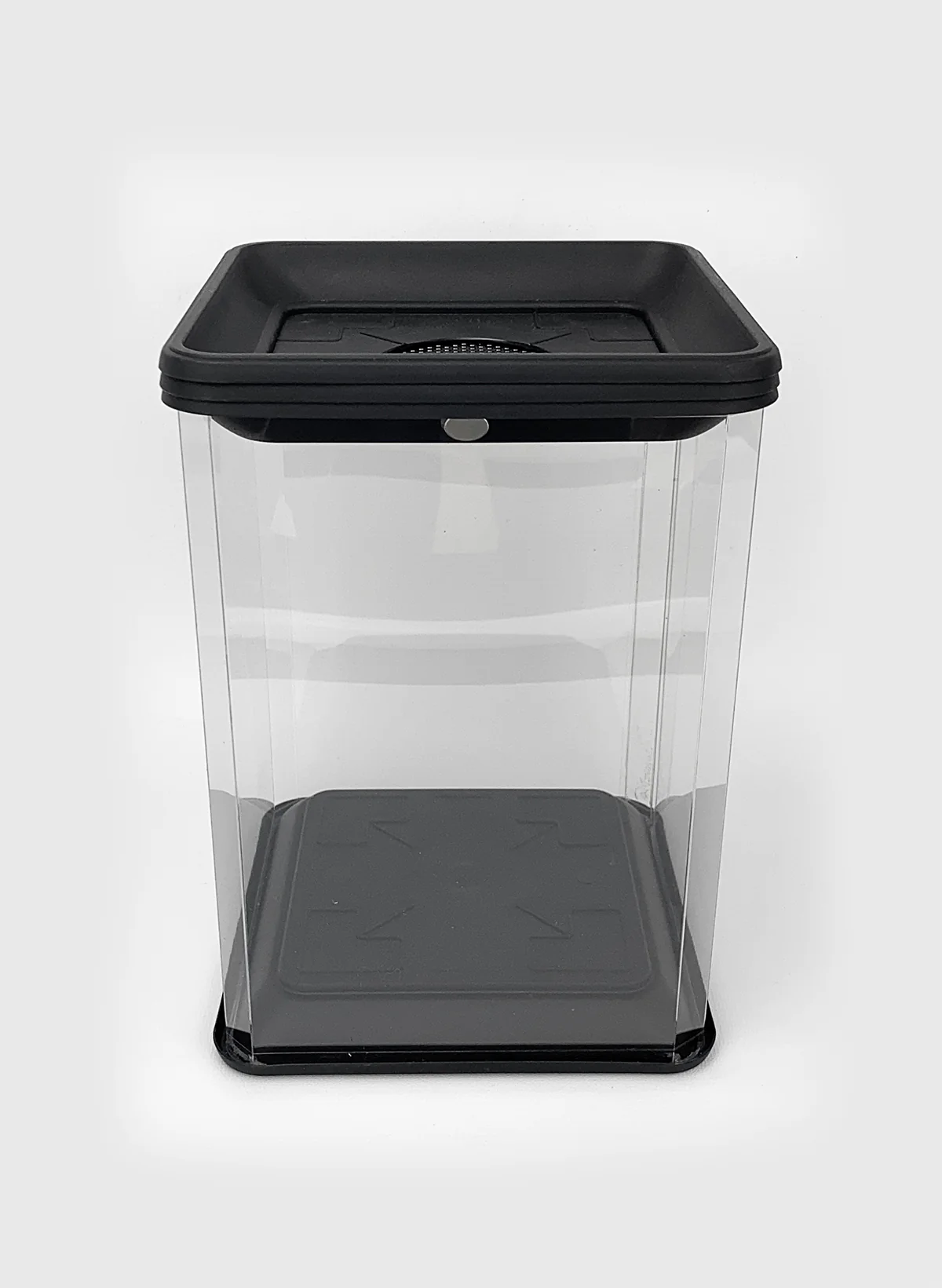
- Enclosure: Arboreal setup with roughly 2x the leg span as the footprint and 3x the leg span as the height, with vertical cork bark, foliage, and multiple anchor points for webbing.
- Temperature: Natural conditions are typically around 75-85°F, but this species generally does fine at normal room temperatures as well, so 65-75°F is usually workable for most keepers.
- Humidity: Moderate to high humidity with slightly moist substrate and strong cross ventilation. Avoid stagnant or constantly wet conditions.
- Diet: Feed crickets, roaches, or similar prey no larger than the length of the tarantula's carapace (head). For smaller specimens, placing prey directly onto the webbing often improves feeding response.
- Temperament: Typically very docile, but still fast-moving and capable of jumping when startled.
Are there any additional notes or considerations?
- Younger Specimens: Smaller individuals usually do best in tighter setups where they can establish webbing quickly.
- Ventilation: This species benefits from strong airflow alongside humidity, and stale conditions are usually a bigger issue than slightly drier ones.
- Setup Tip: Vertical cork bark and well-placed anchor points usually improve both security and visibility.
Listing Notes
- This listing is for an unsexed specimen.
Product Information
Product Information
Shipping & Returns
Shipping & Returns
Description
Avicularia sp. 'Colombia' (Colombian Purple Pink Toe Tarantula)
Avicularia sp. 'Colombia' is a beautiful purple pink toe form, known for rich purple tones, orange abdominal markings in younger specimens, heavy webbing, and very docile behavior. It is often compared to Avicularia purpurea, but it stands apart by carrying its own look and locality appeal, especially during growth when the orange abdominal markings are more pronounced. Grab this New World tarantula for sale today if you want a classic pink toe species with richer purple tones and more colorful juvenile markings.
Why do hobbyists keep Avicularia sp. 'Colombia'?
- Purple Coloration: This is a strong purple-toned pink toe that especially appeals to keepers who enjoy darker Avicularia species.
- Juvenile Markings: Younger specimens can show attractive orange abdominal striping that helps distinguish this form.
- Webbing Behavior: This species is a heavy webber and often builds thick retreats in the upper enclosure.
- Docile Behavior: Usually very docile, though still quick and capable of sudden movement like many arboreals.
How should Avicularia sp. 'Colombia' be kept?
- Enclosure: Arboreal setup with roughly 2x the leg span as the footprint and 3x the leg span as the height, with vertical cork bark, foliage, and multiple anchor points for webbing.
- Temperature: Natural conditions are typically around 75-85°F, but this species generally does fine at normal room temperatures as well, so 65-75°F is usually workable for most keepers.
- Humidity: Moderate to high humidity with slightly moist substrate and strong cross ventilation. Avoid stagnant or constantly wet conditions.
- Diet: Feed crickets, roaches, or similar prey no larger than the length of the tarantula's carapace (head). For smaller specimens, placing prey directly onto the webbing often improves feeding response.
- Temperament: Typically very docile, but still fast-moving and capable of jumping when startled.
Are there any additional notes or considerations?
- Younger Specimens: Smaller individuals usually do best in tighter setups where they can establish webbing quickly.
- Ventilation: This species benefits from strong airflow alongside humidity, and stale conditions are usually a bigger issue than slightly drier ones.
- Setup Tip: Vertical cork bark and well-placed anchor points usually improve both security and visibility.
Listing Notes
- This listing is for an unsexed specimen.