Avicularia sp. 'Boa Vista' (Boa Vista Pink Toe Tarantula)
Avicularia sp. 'Boa Vista' (Boa Vista Pink Toe Tarantula)
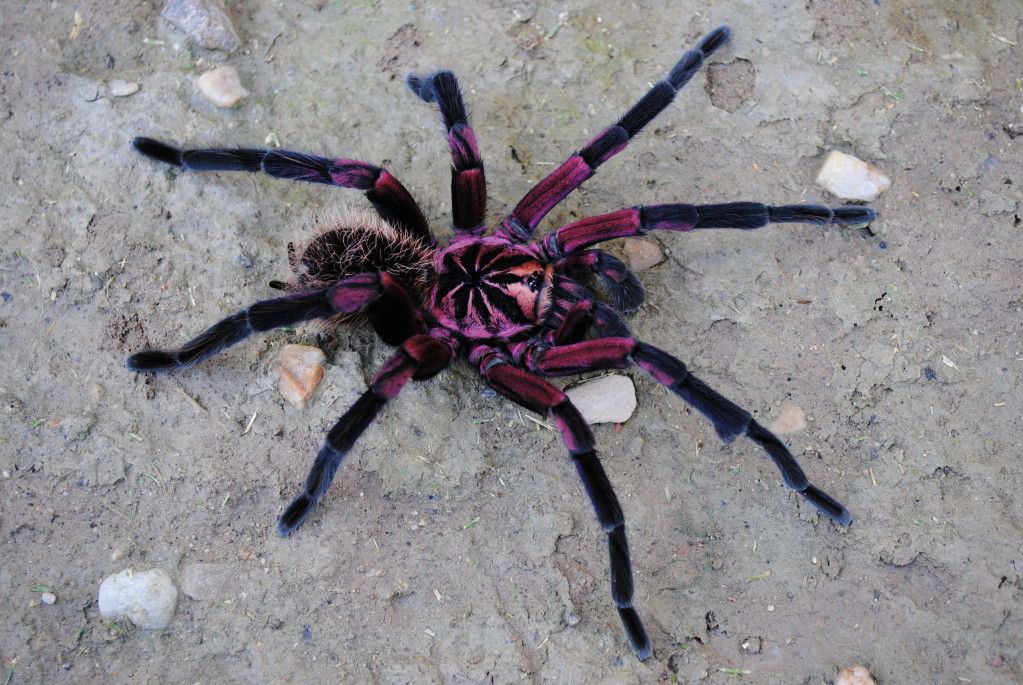
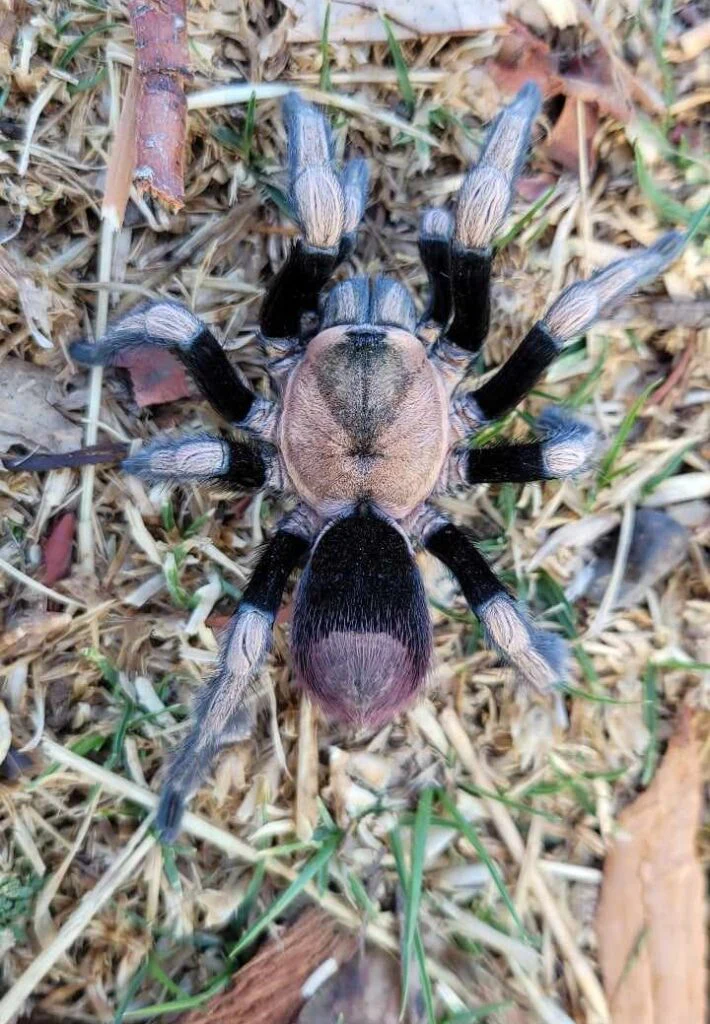
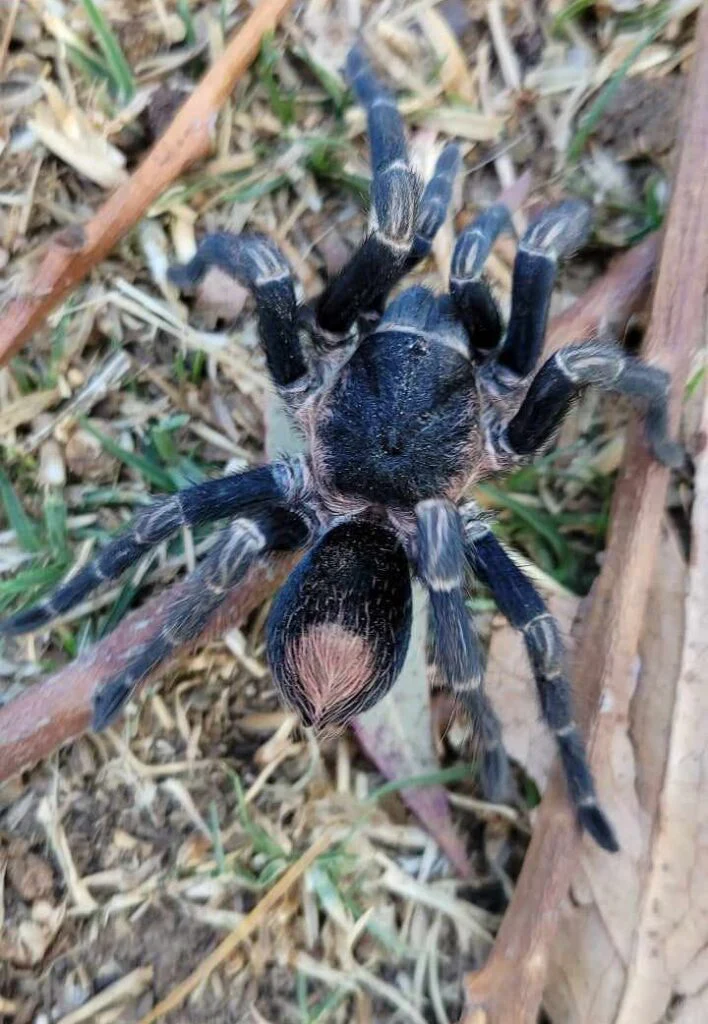
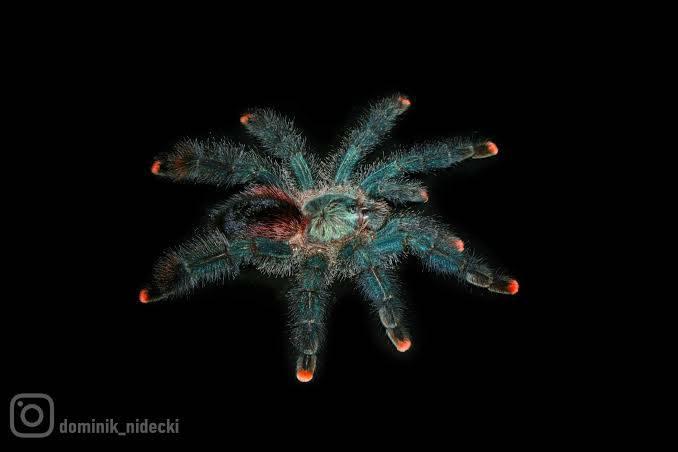
Avicularia sp. 'Boa Vista' is a striking locality-type pink toe, known for a reddish abdomen, green-blue legs, a subtle green carapace, heavy webbing, and very docile behavior. The mix of warmer and cooler tones gives this species a very different look from the standard dark-bodied pink toe pattern, which is a big part of why collectors notice it so quickly. Once established, it settles into elevated retreats and can make a great display species in a proper vertical setup.
Why do hobbyists keep Avicularia sp. 'Boa Vista'?
- Color Contrast: The reddish abdomen and green-blue leg tones give this species a very distinctive appearance.
- Locality Appeal: This is the kind of Avicularia listing that especially appeals to collectors who enjoy less common locality forms.
- Webbing Behavior: This species is a heavy webber and often builds thick retreats in the upper enclosure.
- Docile Behavior: Usually very docile, though still quick and capable of sudden movement like many arboreals.
How should Avicularia sp. 'Boa Vista' be kept?
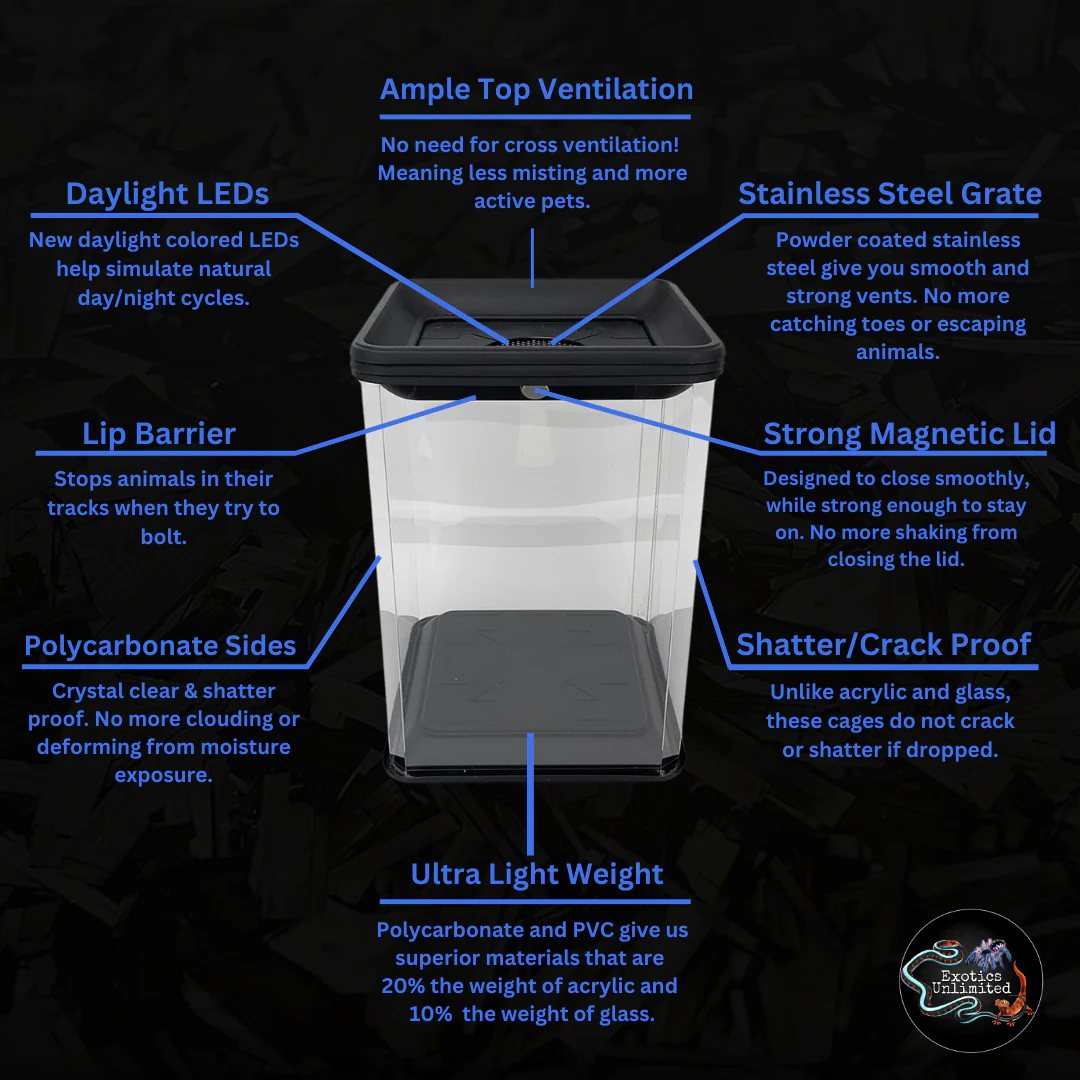
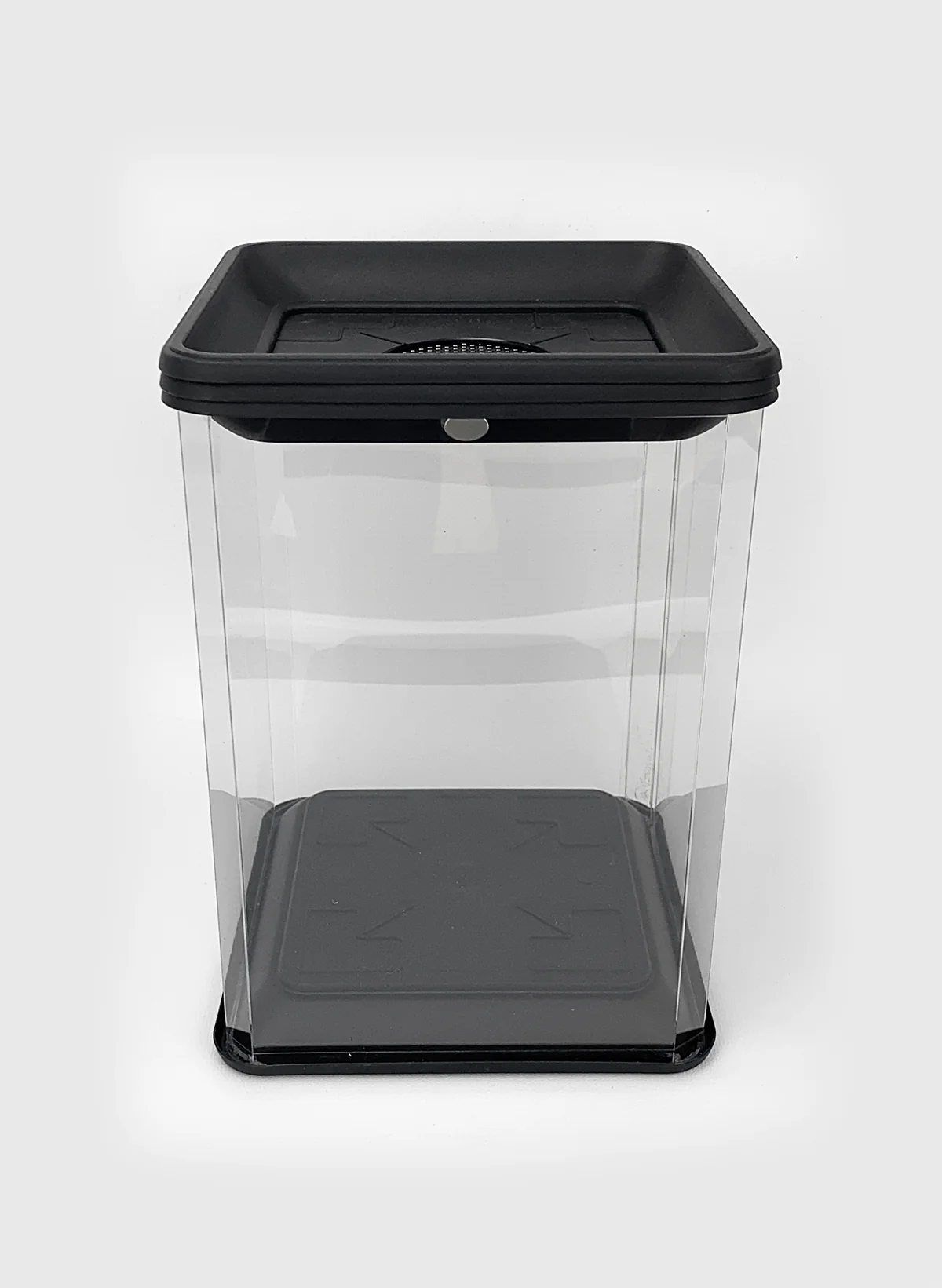
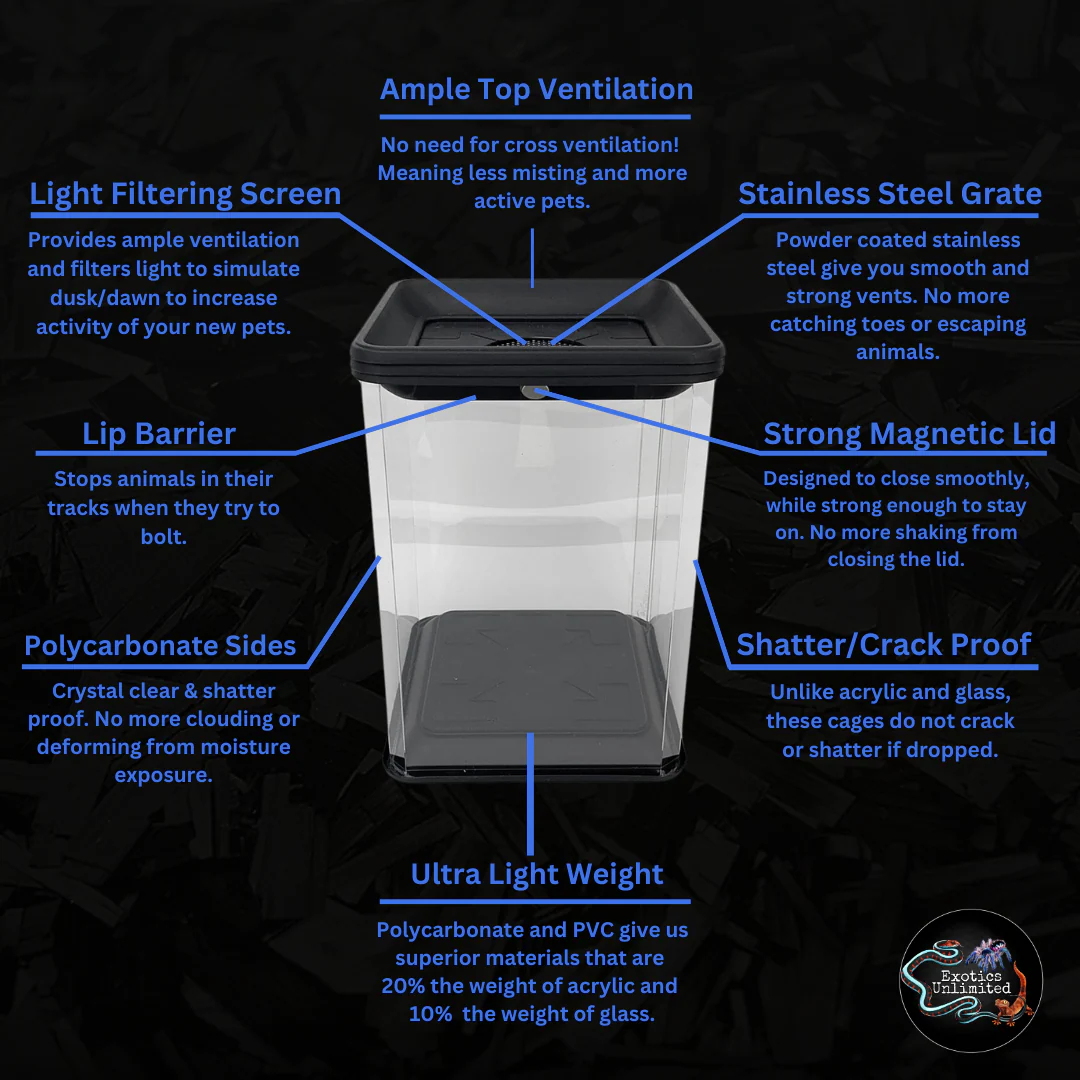
- Enclosure: Arboreal setup with roughly 2x the leg span as the footprint and 3x the leg span as the height, with vertical cork bark, foliage, and multiple anchor points for webbing.
- Temperature: Natural conditions are typically around 75-85°F, but this species generally does fine at normal room temperatures as well, so 65-75°F is usually workable for most keepers.
- Humidity: Moderate to high humidity with slightly moist substrate and strong cross ventilation. Avoid stagnant or constantly wet conditions.
- Diet: Feed crickets, roaches, or similar prey no larger than the length of the tarantula's carapace (head). For smaller specimens, placing prey directly onto the webbing often improves feeding response.
- Temperament: Typically very docile, but still fast-moving and capable of jumping when startled.
Are there any additional notes or considerations?
- Younger Specimens: Smaller individuals usually do best in tighter setups where they can establish webbing quickly.
- Ventilation: This species benefits from strong airflow alongside humidity, and stale conditions are usually a bigger issue than slightly drier ones.
- Setup Tip: Vertical cork bark and well-placed anchor points usually improve both security and visibility.
Listing Notes
- This listing is for the 0.75-1" size.
Original: $75.00
-65%$75.00
$26.25Product Information
Product Information
Shipping & Returns
Shipping & Returns
Description
Avicularia sp. 'Boa Vista' (Boa Vista Pink Toe Tarantula)
Avicularia sp. 'Boa Vista' is a striking locality-type pink toe, known for a reddish abdomen, green-blue legs, a subtle green carapace, heavy webbing, and very docile behavior. The mix of warmer and cooler tones gives this species a very different look from the standard dark-bodied pink toe pattern, which is a big part of why collectors notice it so quickly. Once established, it settles into elevated retreats and can make a great display species in a proper vertical setup.
Why do hobbyists keep Avicularia sp. 'Boa Vista'?
- Color Contrast: The reddish abdomen and green-blue leg tones give this species a very distinctive appearance.
- Locality Appeal: This is the kind of Avicularia listing that especially appeals to collectors who enjoy less common locality forms.
- Webbing Behavior: This species is a heavy webber and often builds thick retreats in the upper enclosure.
- Docile Behavior: Usually very docile, though still quick and capable of sudden movement like many arboreals.
How should Avicularia sp. 'Boa Vista' be kept?
- Enclosure: Arboreal setup with roughly 2x the leg span as the footprint and 3x the leg span as the height, with vertical cork bark, foliage, and multiple anchor points for webbing.
- Temperature: Natural conditions are typically around 75-85°F, but this species generally does fine at normal room temperatures as well, so 65-75°F is usually workable for most keepers.
- Humidity: Moderate to high humidity with slightly moist substrate and strong cross ventilation. Avoid stagnant or constantly wet conditions.
- Diet: Feed crickets, roaches, or similar prey no larger than the length of the tarantula's carapace (head). For smaller specimens, placing prey directly onto the webbing often improves feeding response.
- Temperament: Typically very docile, but still fast-moving and capable of jumping when startled.
Are there any additional notes or considerations?
- Younger Specimens: Smaller individuals usually do best in tighter setups where they can establish webbing quickly.
- Ventilation: This species benefits from strong airflow alongside humidity, and stale conditions are usually a bigger issue than slightly drier ones.
- Setup Tip: Vertical cork bark and well-placed anchor points usually improve both security and visibility.
Listing Notes
- This listing is for the 0.75-1" size.