Avicularia minatrix (Dwarf Red Pink-Toe Tarantula)
Avicularia minatrix (Dwarf Red Pink-Toe Tarantula)
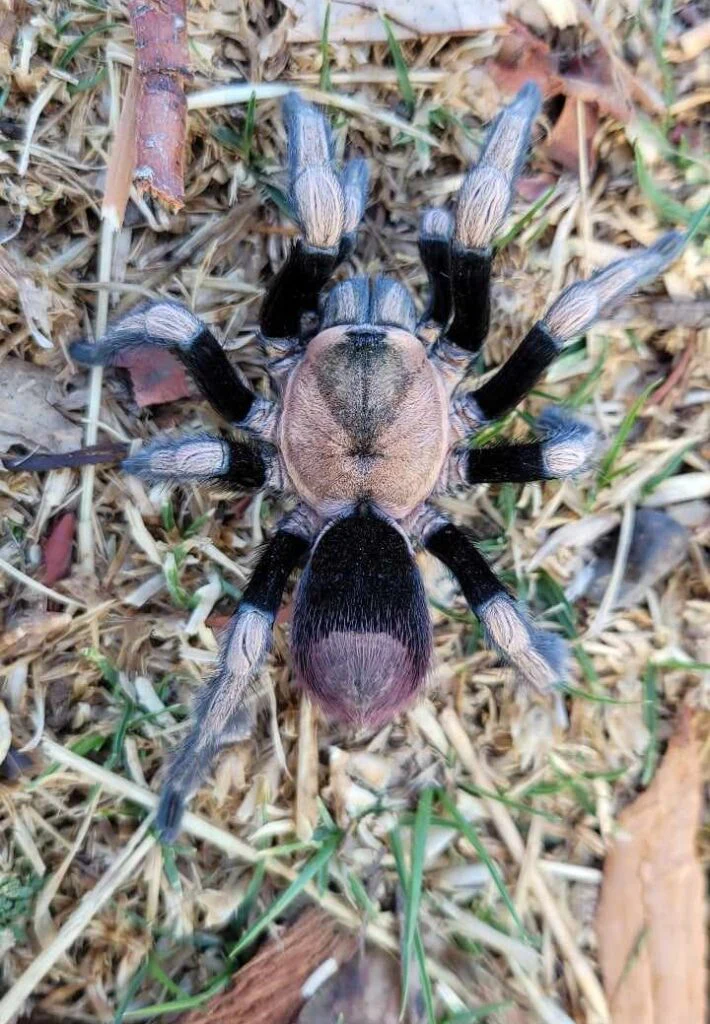
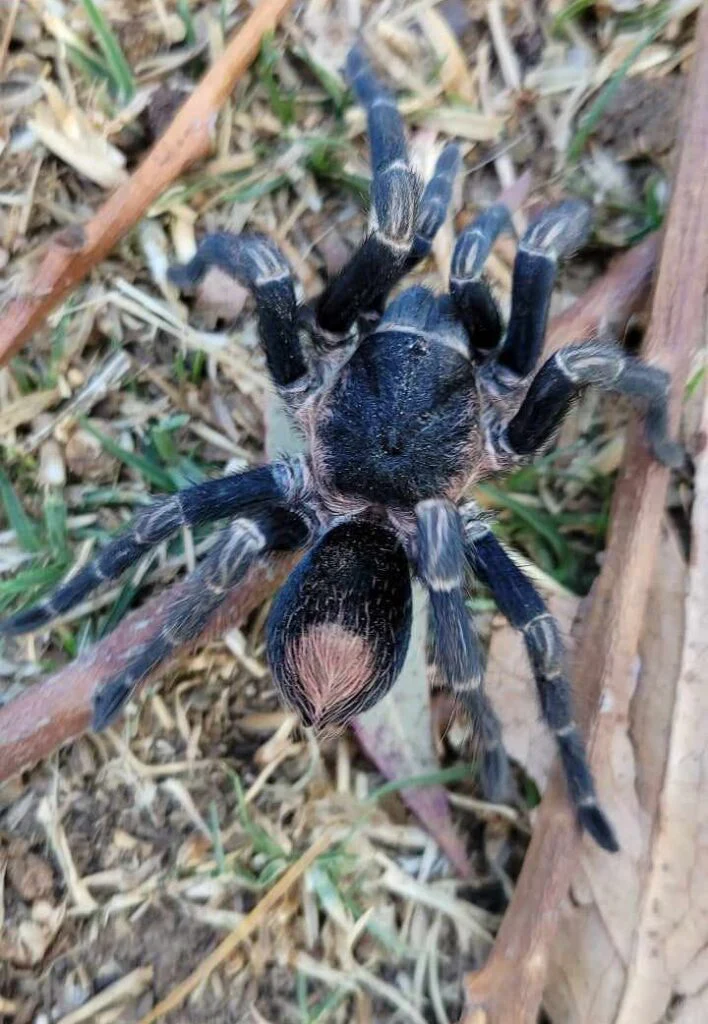
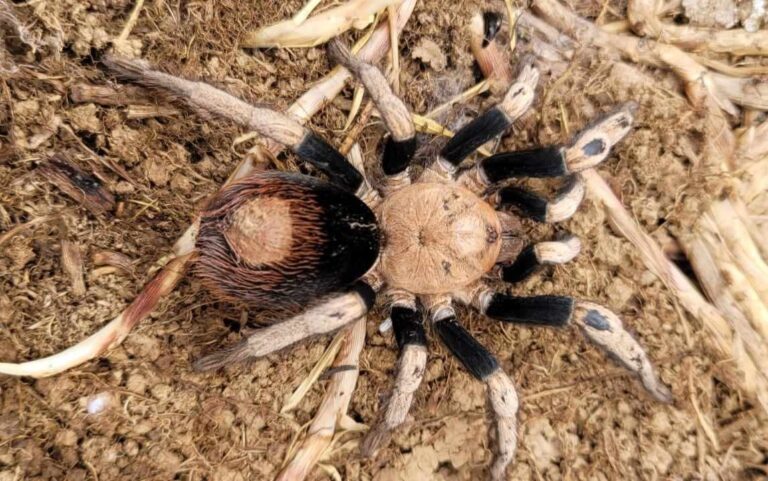
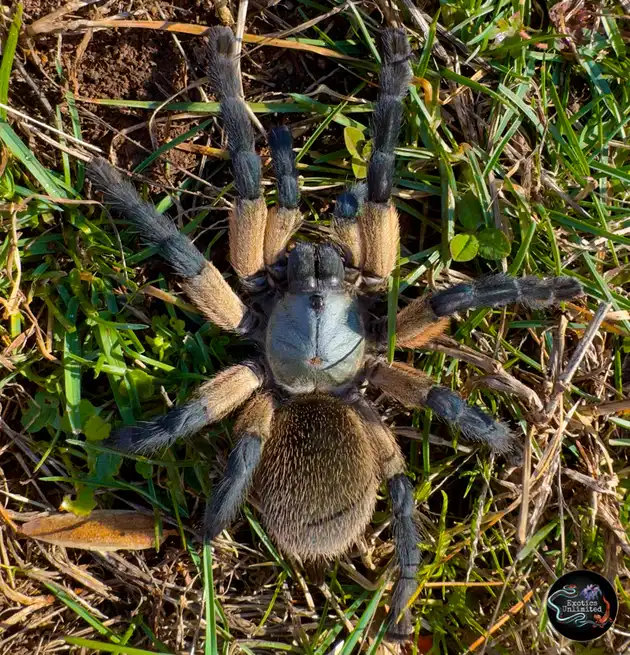
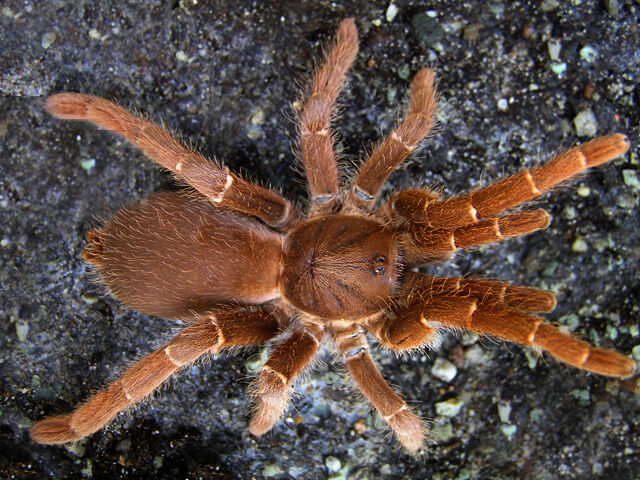
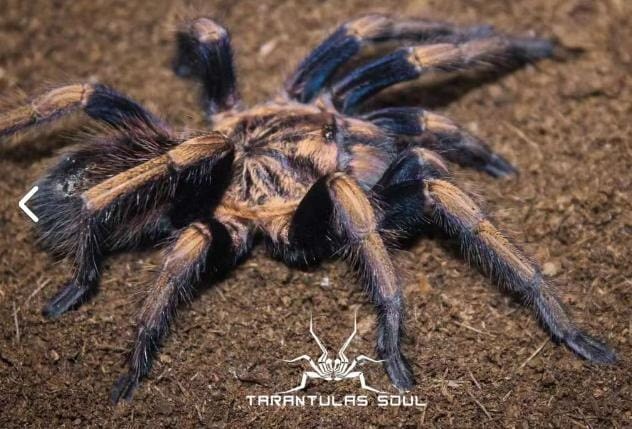
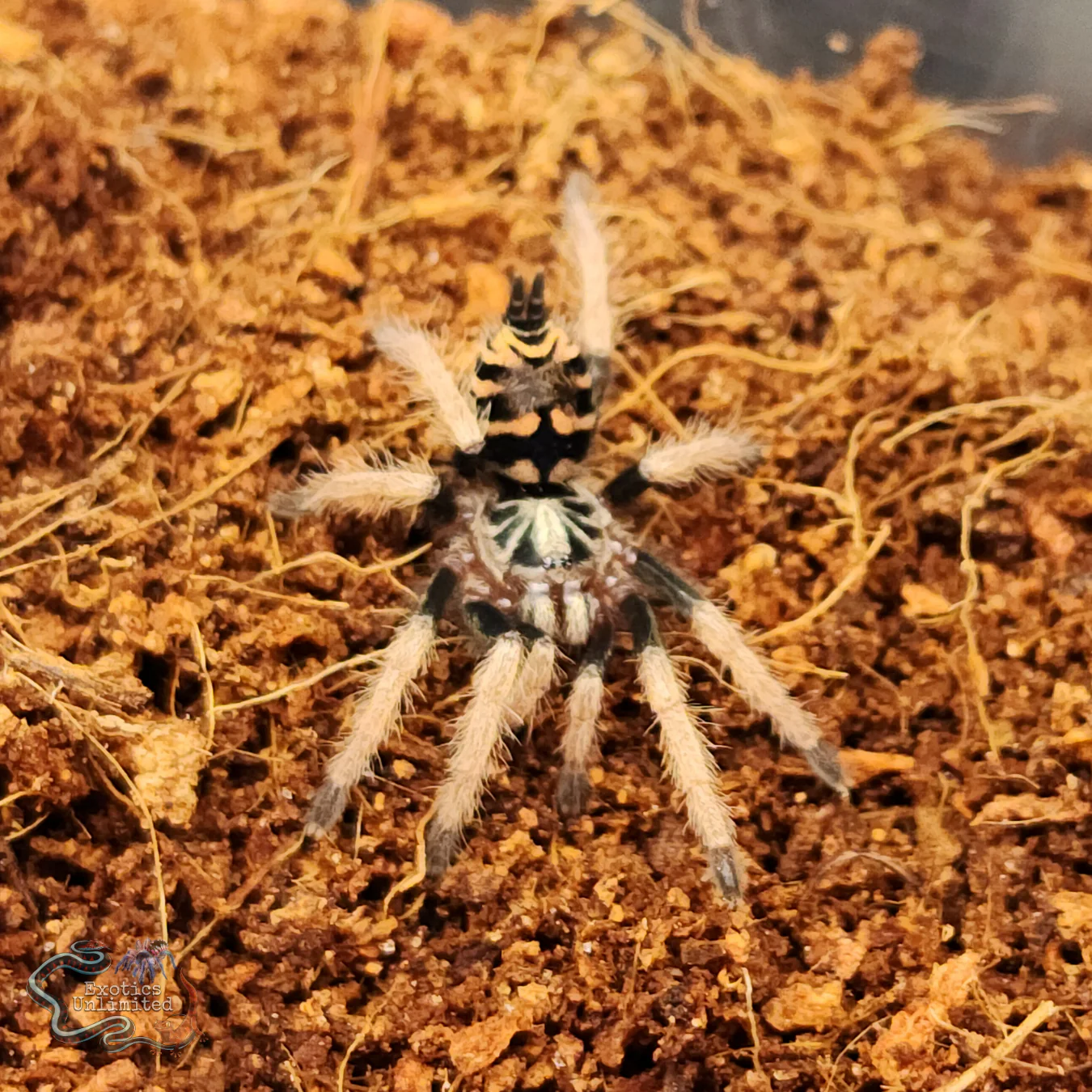
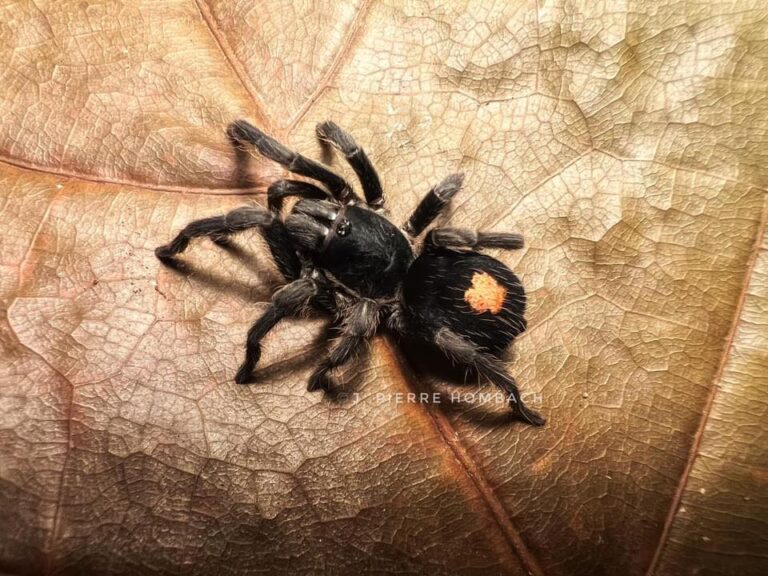
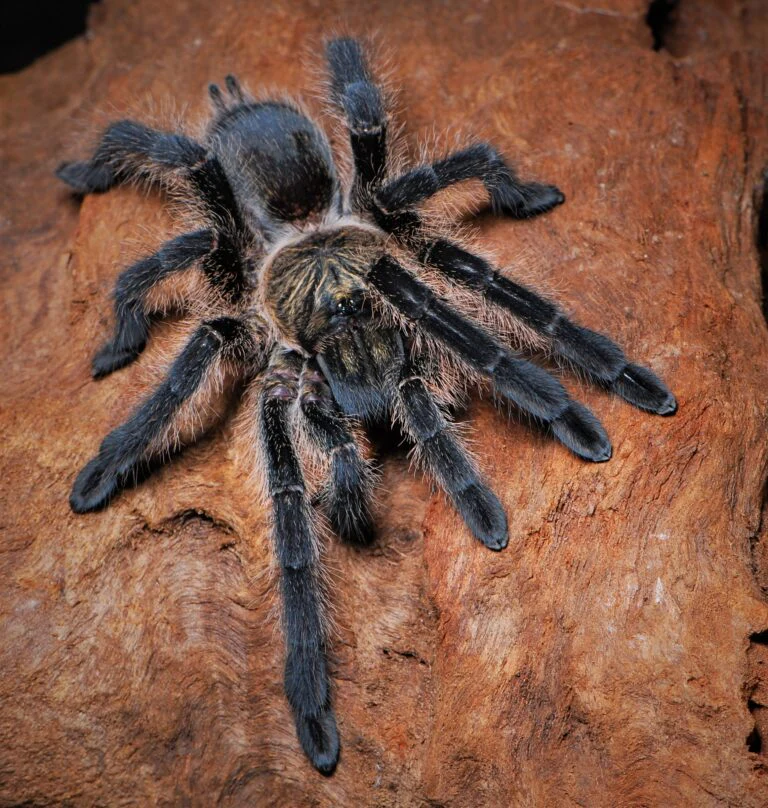
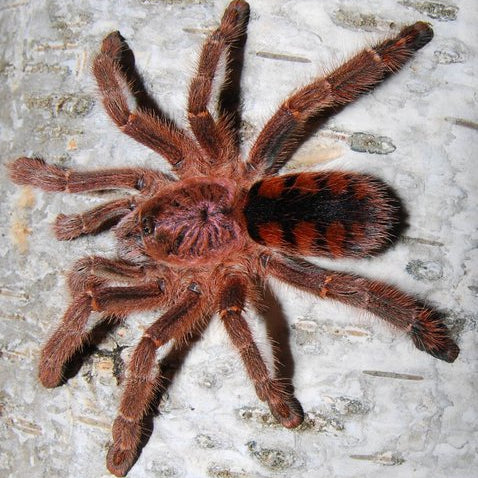
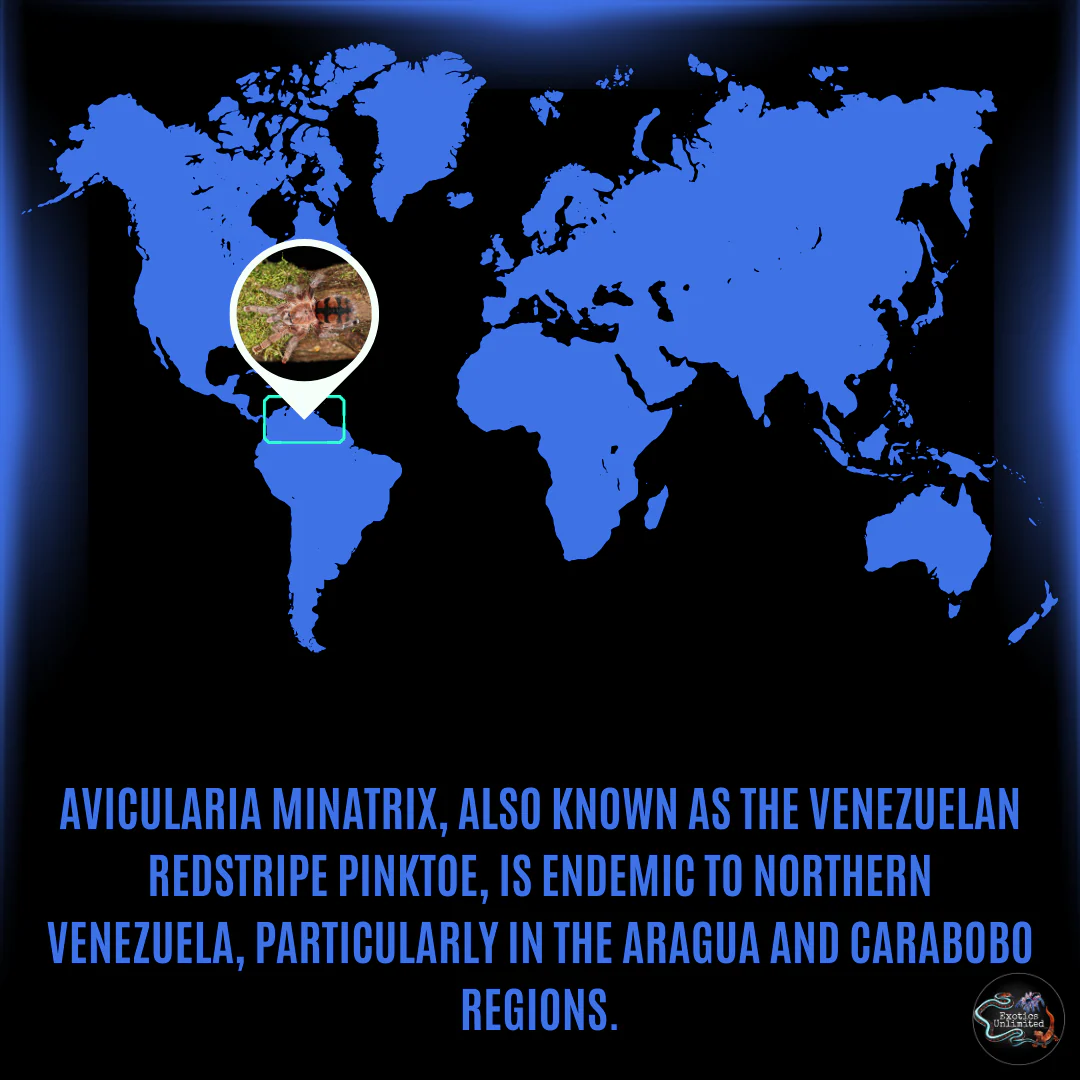
Avicularia minatrix is one of the most distinctive small pink toes because its look is already obvious early in life. Babies come out orange and black and look like miniature versions of the adults, but with the typical pink and black coloration. Adults stay compact at about 3.5 inches and develop the bronze coloration across the carapace (head) and legs that makes the species feel much richer and warmer than most larger pink toes. Native to Venezuela, this is a true dwarf arboreal that still carries the classic bark-dwelling pink toe behavior in a smaller frame. As a New World tarantula for sale and one of the more unusual tarantulas for sale in the pink toe group, it stands out for staying small without losing personality.
Why do hobbyists keep Avicularia minatrix?
- Dwarf Size: At about 3.5 inches, this species stays much smaller than the larger pink toe types while still looking like a true Avicularia.
- Color Change Throughout Its Life: The species starts orange and black and then develops the striking bronze adult coloration across the carapace and legs.
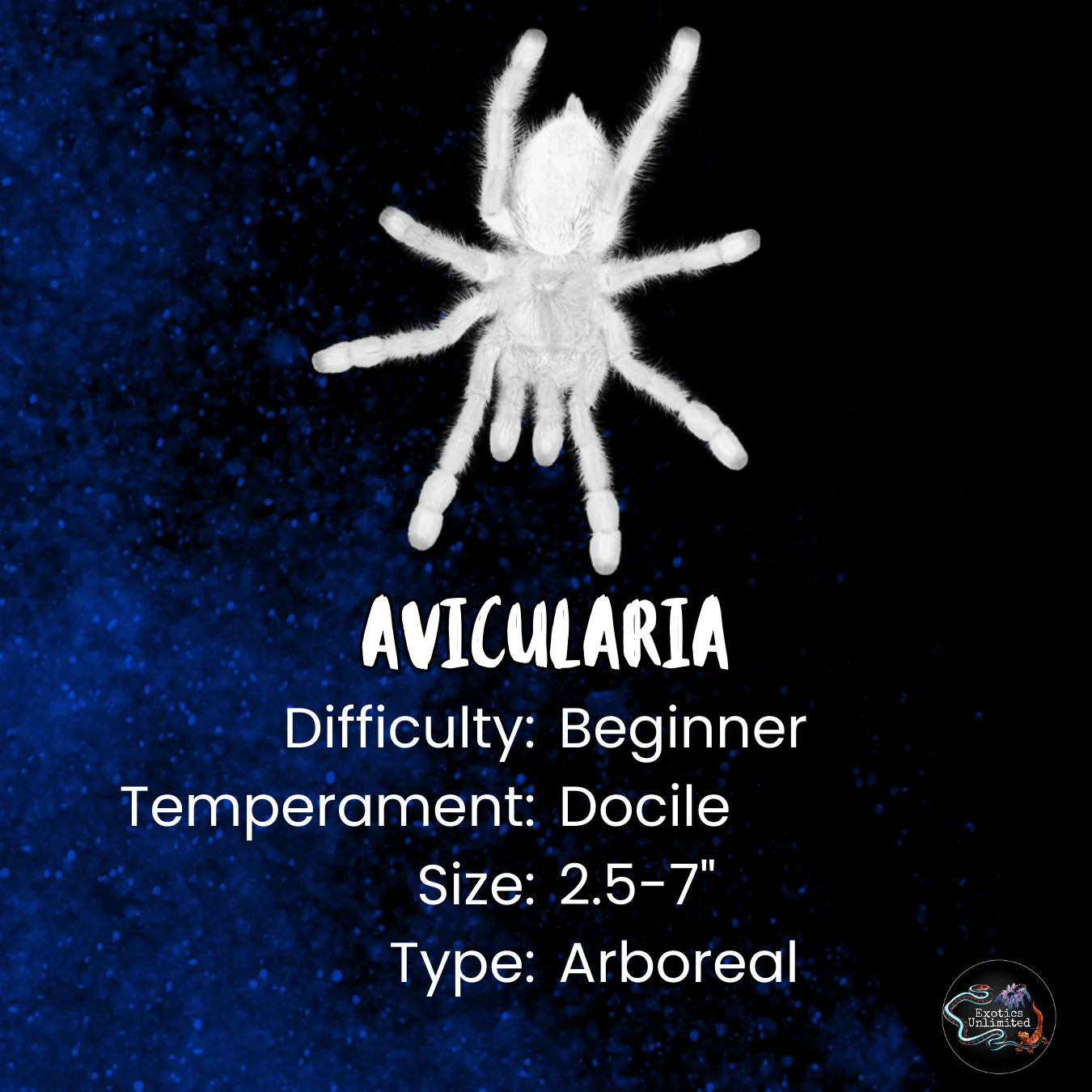
- Docile Temperament: Like many aviculariines, it is usually more manageable than its size and speed might suggest when kept correctly.
- Great Display Species: Because the adults already carry such distinct coloration in a smaller frame, they can be especially rewarding to watch in a well-webbed setup.
- Rarity: This is not the standard starter pink toe most people see first, which makes it more interesting to experienced keepers.
Care Overview
- Enclosure: Arboreal setup with roughly 2x the leg span as the footprint and 3x the leg span as the height, using bark and foliage so the spider can establish elevated retreats quickly.
- Temperature: 65-75°F
- Humidity: Moderate to high humidity with strong airflow and slightly moist substrate, never dusty dry and never swampy.
- Diet: Feed crickets, roaches, or similar prey no larger than the tarantula's carapace (head). Smaller prey placed onto the webbing often works best for young specimens.
Additional Notes or Considerations
- Because this is a smaller species, tighter enclosures for spiderlings usually work better than oversized setups.
- The bronze adult look is one of the easiest ways to separate this species in a keeper-focused lineup of pink toes.
- This is a good example of a species where small size does not mean plain or generic.
Original: $99.00
-65%$99.00
$34.65Product Information
Product Information
Shipping & Returns
Shipping & Returns
Description
Avicularia minatrix (Dwarf Red Pink-Toe Tarantula)
Avicularia minatrix is one of the most distinctive small pink toes because its look is already obvious early in life. Babies come out orange and black and look like miniature versions of the adults, but with the typical pink and black coloration. Adults stay compact at about 3.5 inches and develop the bronze coloration across the carapace (head) and legs that makes the species feel much richer and warmer than most larger pink toes. Native to Venezuela, this is a true dwarf arboreal that still carries the classic bark-dwelling pink toe behavior in a smaller frame. As a New World tarantula for sale and one of the more unusual tarantulas for sale in the pink toe group, it stands out for staying small without losing personality.
Why do hobbyists keep Avicularia minatrix?
- Dwarf Size: At about 3.5 inches, this species stays much smaller than the larger pink toe types while still looking like a true Avicularia.
- Color Change Throughout Its Life: The species starts orange and black and then develops the striking bronze adult coloration across the carapace and legs.
- Docile Temperament: Like many aviculariines, it is usually more manageable than its size and speed might suggest when kept correctly.
- Great Display Species: Because the adults already carry such distinct coloration in a smaller frame, they can be especially rewarding to watch in a well-webbed setup.
- Rarity: This is not the standard starter pink toe most people see first, which makes it more interesting to experienced keepers.
Care Overview
- Enclosure: Arboreal setup with roughly 2x the leg span as the footprint and 3x the leg span as the height, using bark and foliage so the spider can establish elevated retreats quickly.
- Temperature: 65-75°F
- Humidity: Moderate to high humidity with strong airflow and slightly moist substrate, never dusty dry and never swampy.
- Diet: Feed crickets, roaches, or similar prey no larger than the tarantula's carapace (head). Smaller prey placed onto the webbing often works best for young specimens.
Additional Notes or Considerations
- Because this is a smaller species, tighter enclosures for spiderlings usually work better than oversized setups.
- The bronze adult look is one of the easiest ways to separate this species in a keeper-focused lineup of pink toes.
- This is a good example of a species where small size does not mean plain or generic.