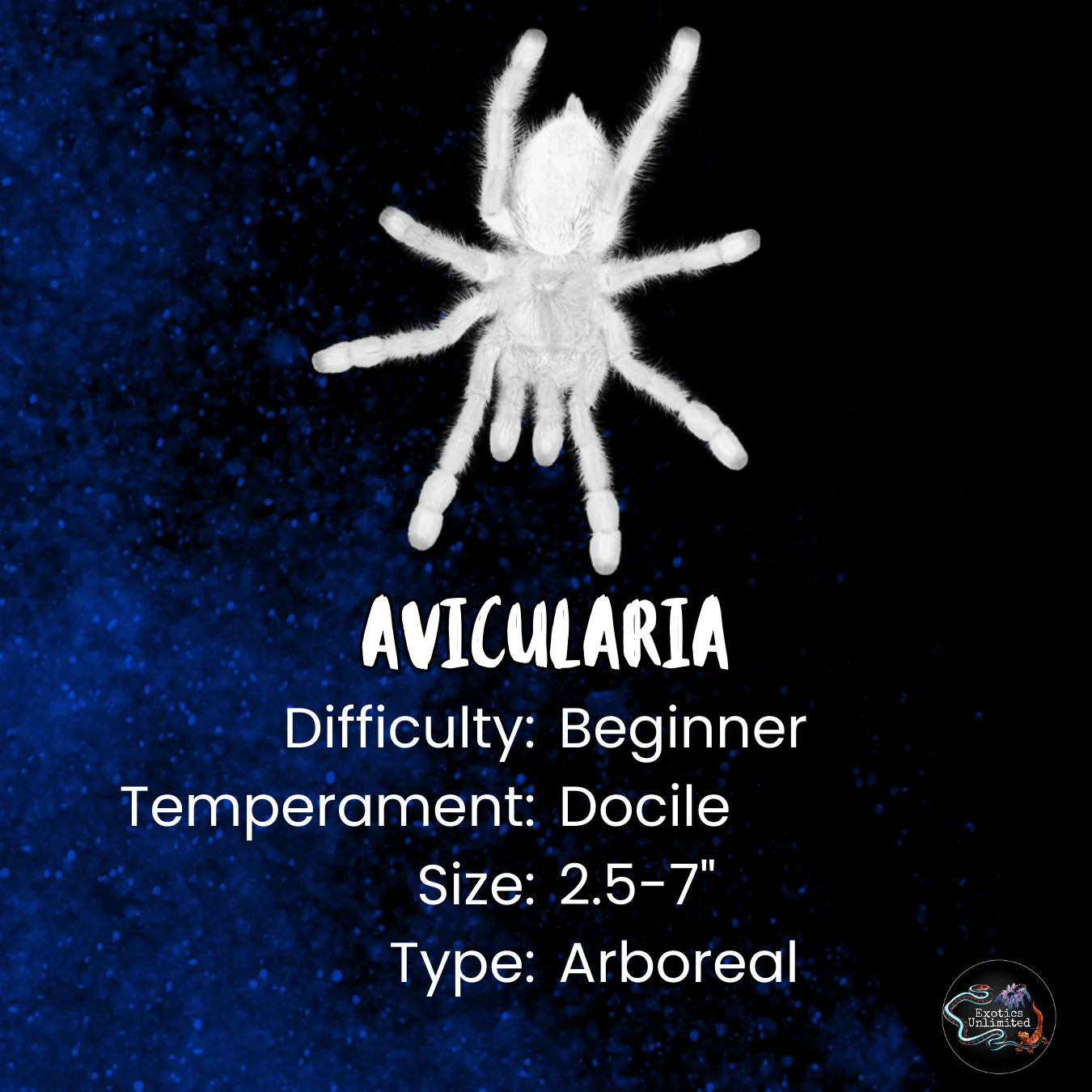
Avicularia geroldi (Royal Blue Pink Toe Tarantula)
Avicularia geroldi (Royal Blue Pink Toe Tarantula)
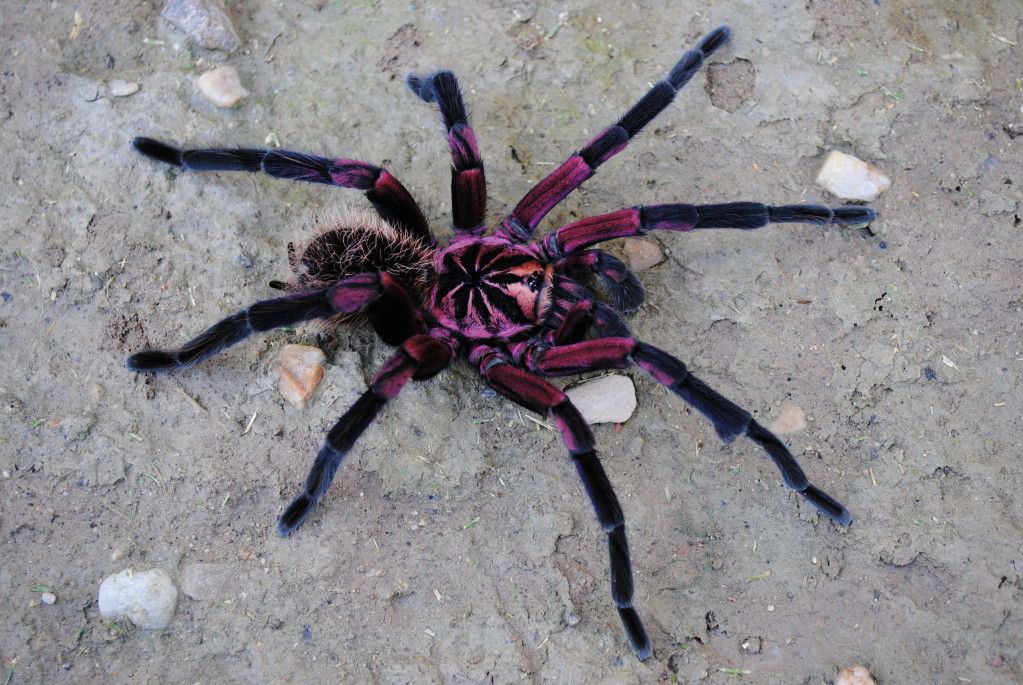
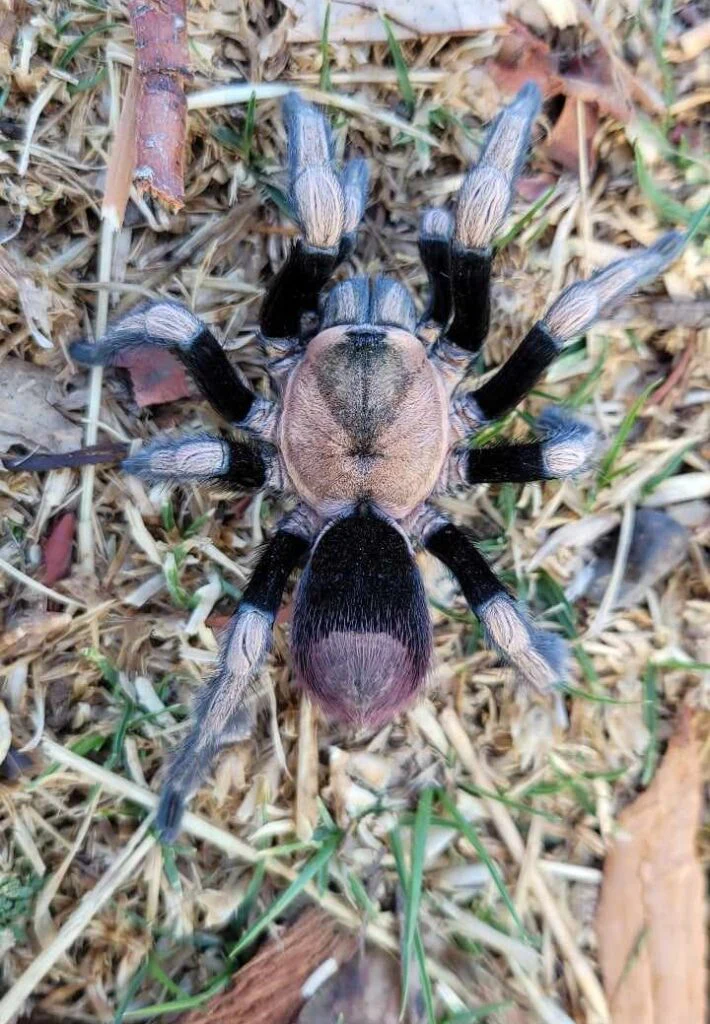
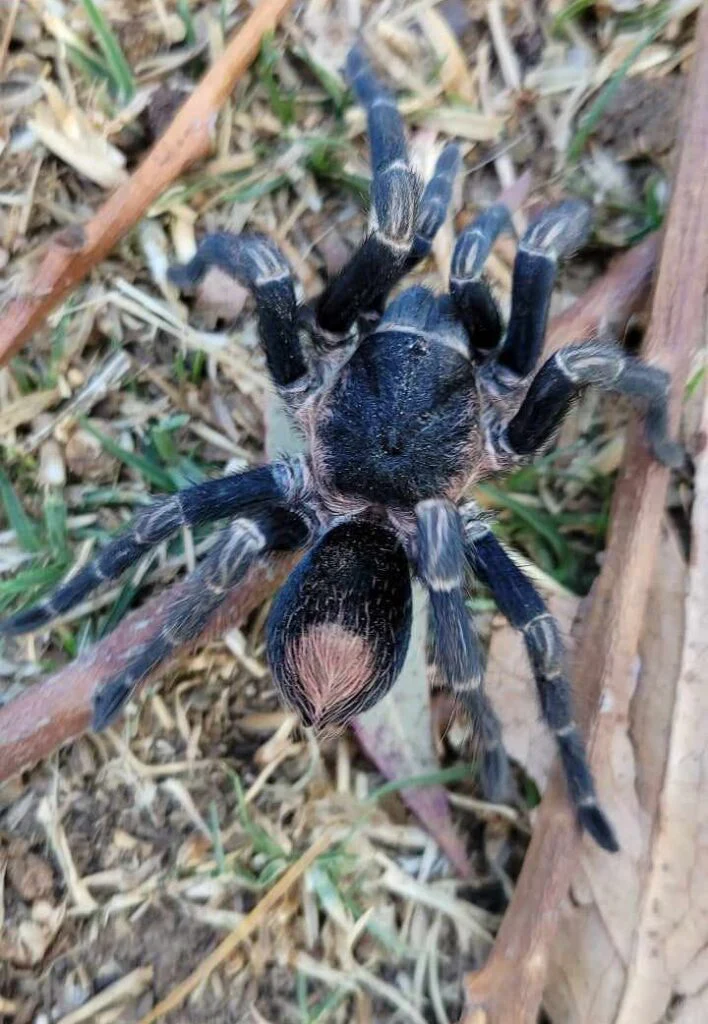
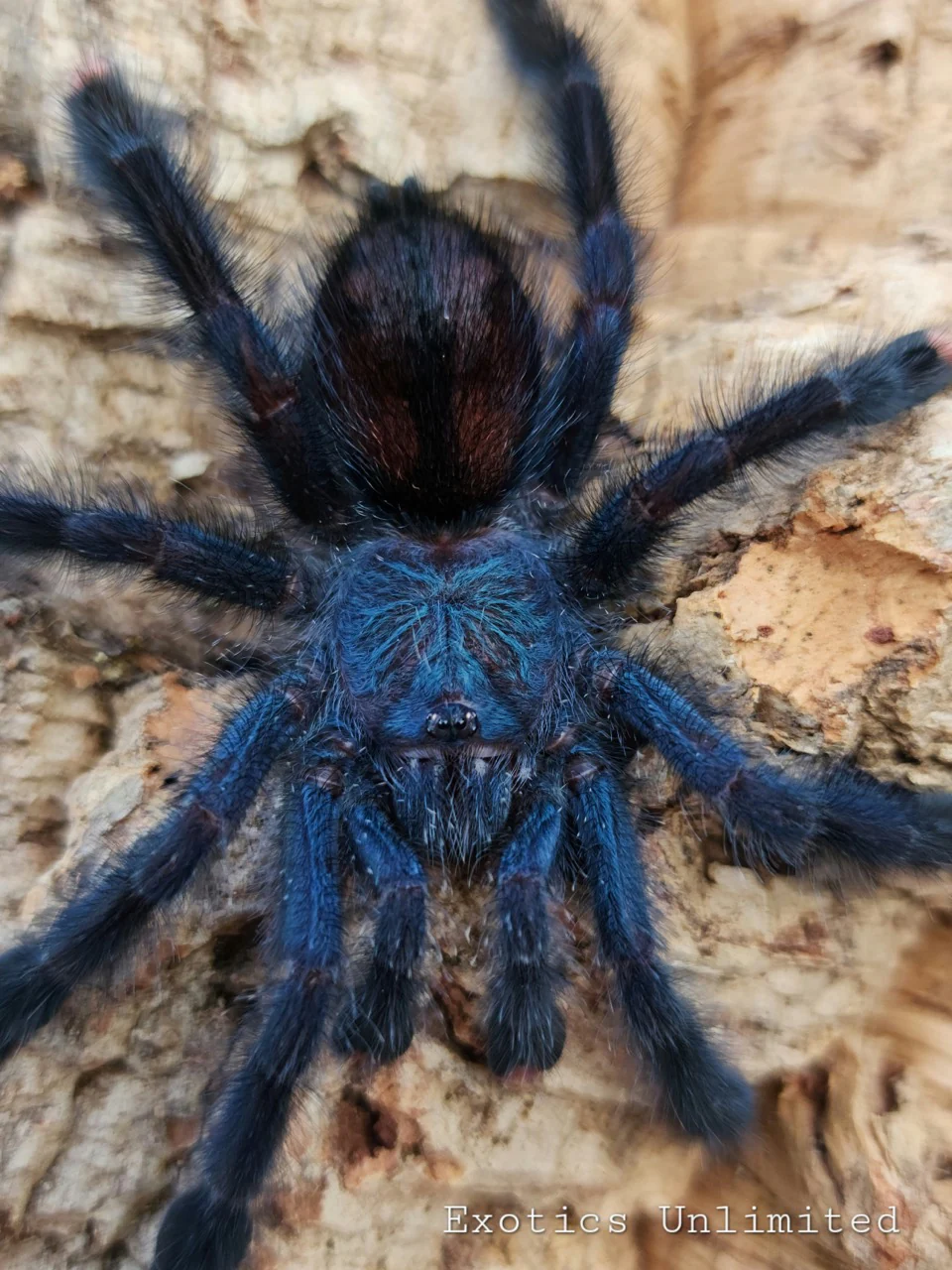
Avicularia geroldi is one of the prettier blue-leaning pink toe species still seen under older hobby names, and it has a strong color progression that makes it especially rewarding to raise. Spiderlings begin in the familiar pink-and-black common pink toe style, then as they grow the juveniles develop beautiful red and blue coloration. Adults usually reach about 5 inches and keep the fluffy, arboreal build the genus is known for, with striking blue across the carapace and legs set against a jet black abdomen. Grab this New World tarantula for sale today if you want a rarer pink toe species with dramatic color change and standout adult contrast.
Why do hobbyists keep Avicularia geroldi?
- Color: The cooler royal-blue influence gives it a cleaner, more refined look than standard pink toe coloration.
- Color Change Throughout Its Life: Babies begin with the familiar pink-and-black sling pattern before transitioning into the cooler adult tones.
- Docile Temperament: This species keeps the calmer pink toe reputation that draws so many keepers into the group.
- Great Display Species: Once webbed in, it behaves like the kind of upper-enclosure bark dweller people expect from a classic pink toe.
- Familiarity: It gives keepers a recognizable Avicularia experience without feeling like a duplicate of the common form.
Care Overview
- Enclosure: Arboreal setup with roughly 2x the leg span as the footprint and 3x the leg span as the height, with bark, foliage, and anchor points for retreat building.
- Temperature: 65-75°F
- Humidity: Moderate to high humidity with slightly moist substrate and strong cross ventilation.
- Diet: Feed crickets, roaches, or similar prey no larger than the tarantula's carapace (head), with younger spiders often feeding best from the webbing.
Additional Notes or Considerations
- As with many pink toe species sold under older hobby names, keeper familiarity often matters as much as strict current taxonomy when matching public expectations.
- This is a good species for explaining how similar baby stages can still lead to noticeably different adults.
Original: $125.00
-65%$125.00
$43.75Product Information
Product Information
Shipping & Returns
Shipping & Returns
Description
Avicularia geroldi (Royal Blue Pink Toe Tarantula)
Avicularia geroldi is one of the prettier blue-leaning pink toe species still seen under older hobby names, and it has a strong color progression that makes it especially rewarding to raise. Spiderlings begin in the familiar pink-and-black common pink toe style, then as they grow the juveniles develop beautiful red and blue coloration. Adults usually reach about 5 inches and keep the fluffy, arboreal build the genus is known for, with striking blue across the carapace and legs set against a jet black abdomen. Grab this New World tarantula for sale today if you want a rarer pink toe species with dramatic color change and standout adult contrast.
Why do hobbyists keep Avicularia geroldi?
- Color: The cooler royal-blue influence gives it a cleaner, more refined look than standard pink toe coloration.
- Color Change Throughout Its Life: Babies begin with the familiar pink-and-black sling pattern before transitioning into the cooler adult tones.
- Docile Temperament: This species keeps the calmer pink toe reputation that draws so many keepers into the group.
- Great Display Species: Once webbed in, it behaves like the kind of upper-enclosure bark dweller people expect from a classic pink toe.
- Familiarity: It gives keepers a recognizable Avicularia experience without feeling like a duplicate of the common form.
Care Overview
- Enclosure: Arboreal setup with roughly 2x the leg span as the footprint and 3x the leg span as the height, with bark, foliage, and anchor points for retreat building.
- Temperature: 65-75°F
- Humidity: Moderate to high humidity with slightly moist substrate and strong cross ventilation.
- Diet: Feed crickets, roaches, or similar prey no larger than the tarantula's carapace (head), with younger spiders often feeding best from the webbing.
Additional Notes or Considerations
- As with many pink toe species sold under older hobby names, keeper familiarity often matters as much as strict current taxonomy when matching public expectations.
- This is a good species for explaining how similar baby stages can still lead to noticeably different adults.