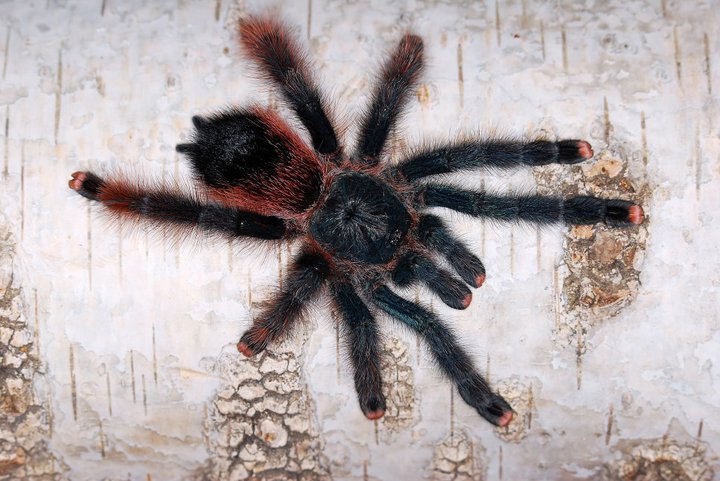
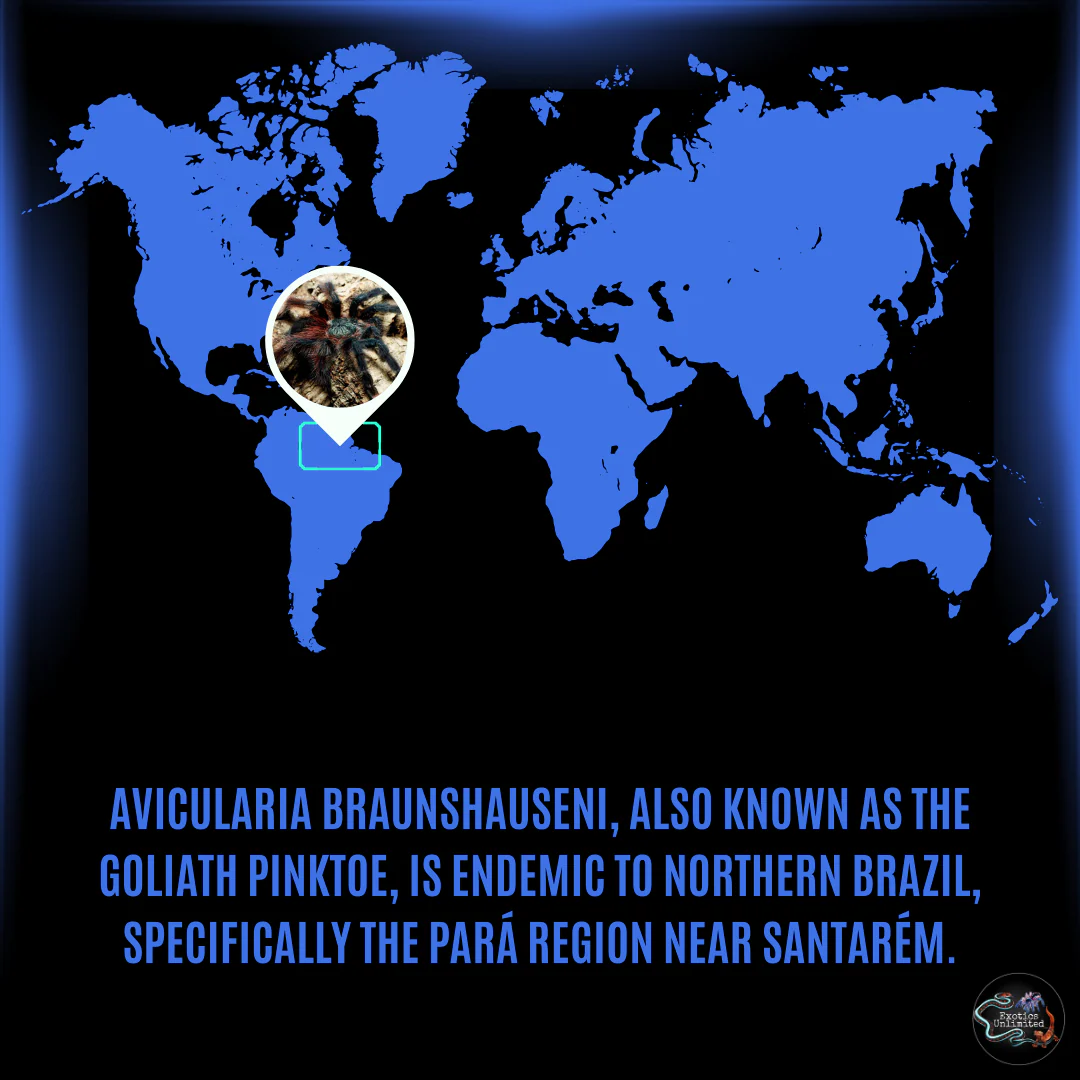
Avicularia braunshauseni (Goliath Pink Toe Tarantula) MALE
Avicularia braunshauseni (Goliath Pink Toe Tarantula)
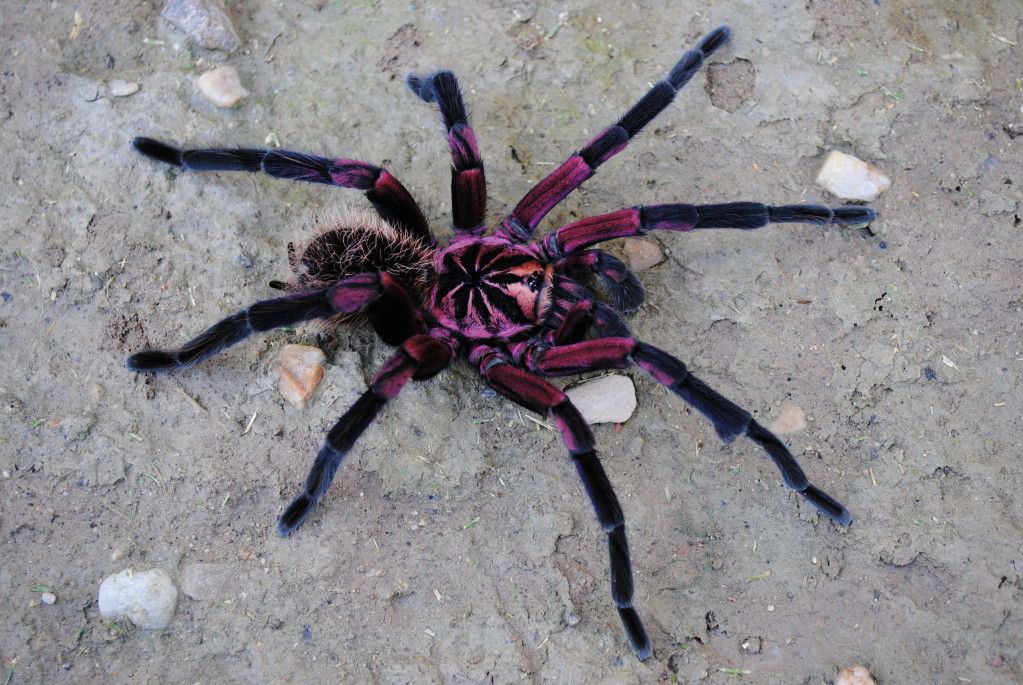
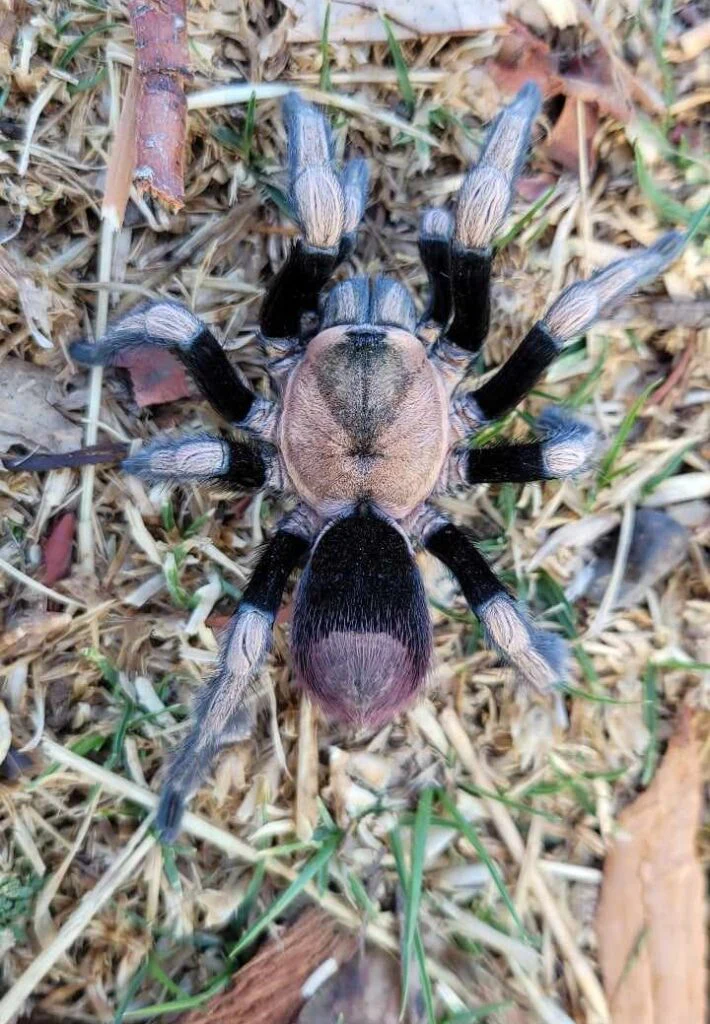
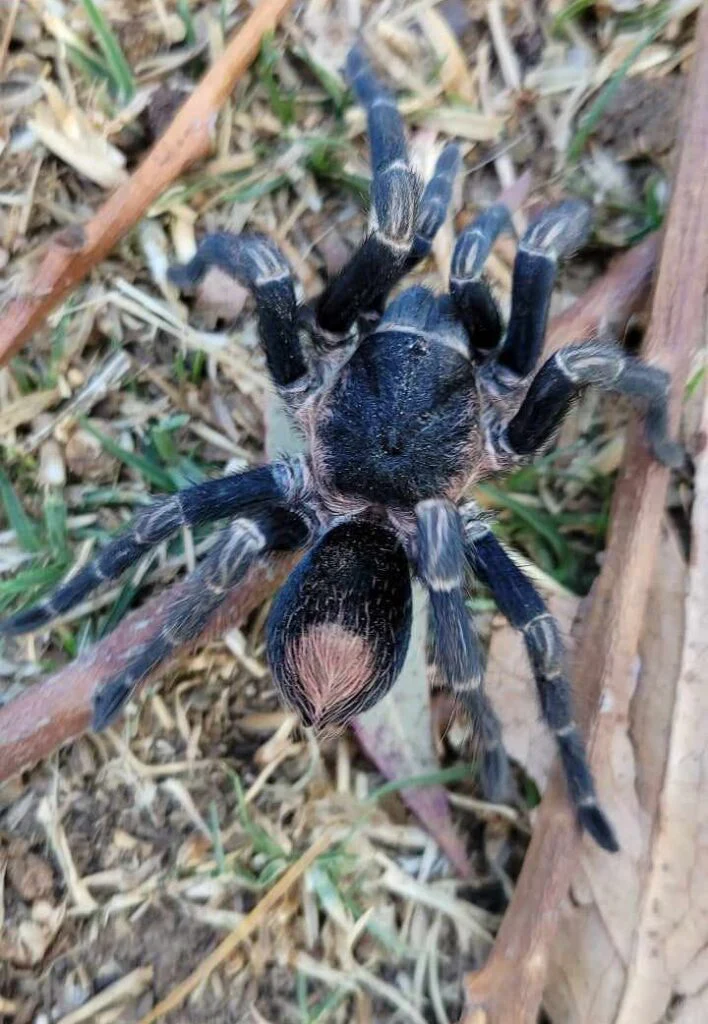
Avicularia braunshauseni is the giant of this group, reaching about 7 inches and carrying far more presence than the smaller pink toe species. Mature specimens are described with bright blue legs, green femurs, and pale hair tips, which matches the cooler, more luminous look that shows up in the reference images better than most average listing photos. It still has the fluffy long-legged pink toe build, but the heavier webbing and broader overall look make it feel much more substantial once established. Grab this New World tarantula for sale today if you want a classic pink toe species with extra size and a more dramatic overall look.
Why do hobbyists keep Avicularia braunshauseni?
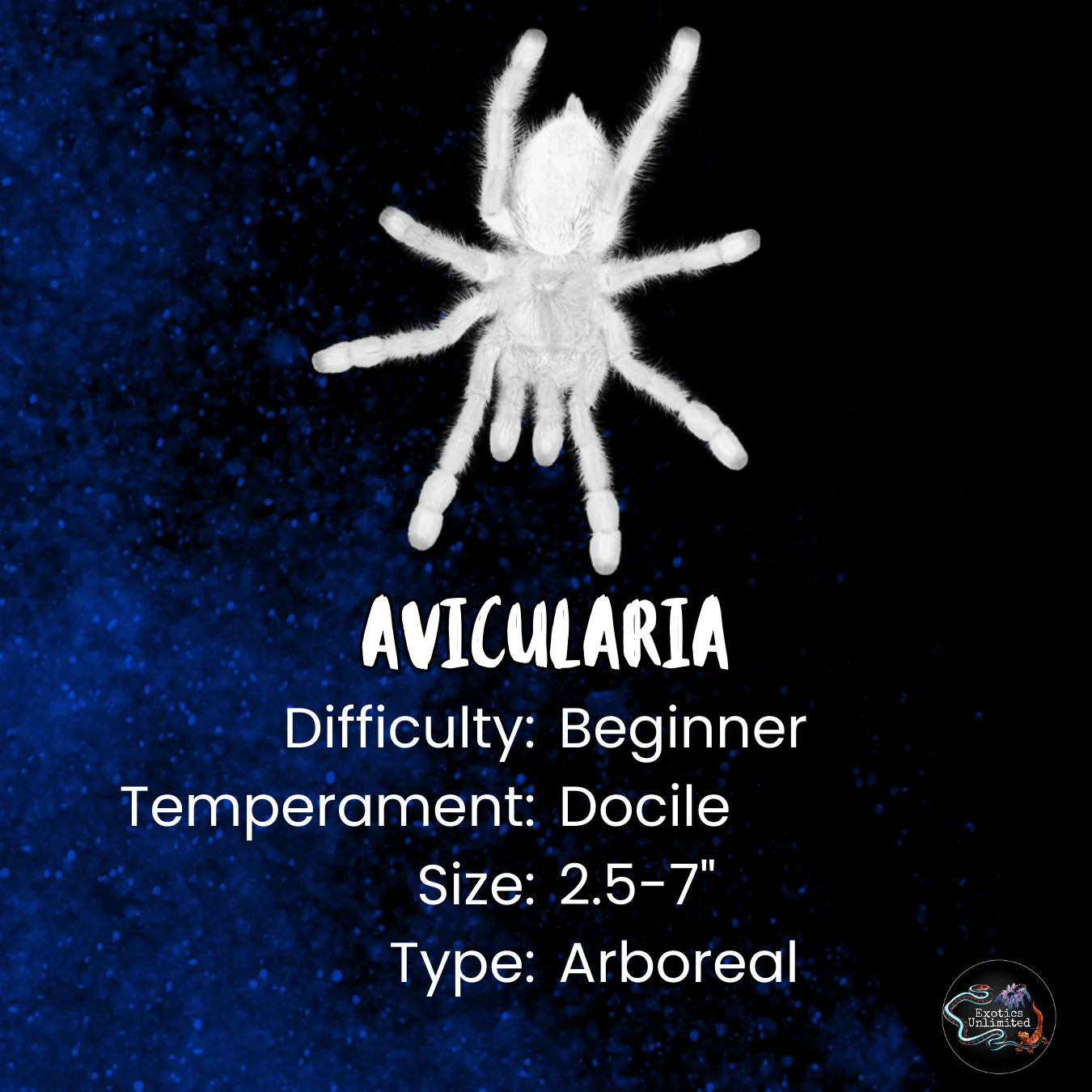
- Size: At about 7 inches, this is one of the true giant pink toe types and has far more presence than the smaller Avicularia.
- Color: The blue legs, green femurs, and pale hair tips give it a brighter cooler look than photos often capture.
- Webbing Behavior: Established specimens are heavy webbers and often turn the upper enclosure into a thick retreat zone.
- Temperament: It is usually described as very docile, though still quick and capable of sudden movement like other arboreals.
- Growth Pattern: This species starts with the familiar pink-and-black common pink toe baby look before growing into a much larger and more imposing adult.
How should Avicularia braunshauseni be kept?
- Enclosure: Arboreal setup with roughly 2x the leg span as the footprint and 3x the leg span as the height, with vertical cork bark, foliage, and several anchor points for webbing.
- Temperature: 65-75°F
- Humidity: Moderate to high humidity with slightly moist substrate and strong cross ventilation. Avoid stale or constantly wet conditions.
- Diet: Feed crickets, roaches, or similar prey no larger than the tarantula's carapace (head). Smaller specimens often feed more consistently when prey is placed directly on the webbing.
- Temperament: Typically docile, but still fast-moving and capable of jumping when startled.
Are there any additional notes or considerations?
- Spiderlings and smaller juveniles usually do best in tighter setups where they can establish webbing quickly.
- Cork bark flats cut lengthwise and placed against the enclosure wall often create a more visible tree-hollow style retreat without making the spider feel exposed.
- This listing uses the corrected adult size cap of about 7 inches.
Product Information
Product Information
Shipping & Returns
Shipping & Returns
Description
Avicularia braunshauseni (Goliath Pink Toe Tarantula)
Avicularia braunshauseni is the giant of this group, reaching about 7 inches and carrying far more presence than the smaller pink toe species. Mature specimens are described with bright blue legs, green femurs, and pale hair tips, which matches the cooler, more luminous look that shows up in the reference images better than most average listing photos. It still has the fluffy long-legged pink toe build, but the heavier webbing and broader overall look make it feel much more substantial once established. Grab this New World tarantula for sale today if you want a classic pink toe species with extra size and a more dramatic overall look.
Why do hobbyists keep Avicularia braunshauseni?
- Size: At about 7 inches, this is one of the true giant pink toe types and has far more presence than the smaller Avicularia.
- Color: The blue legs, green femurs, and pale hair tips give it a brighter cooler look than photos often capture.
- Webbing Behavior: Established specimens are heavy webbers and often turn the upper enclosure into a thick retreat zone.
- Temperament: It is usually described as very docile, though still quick and capable of sudden movement like other arboreals.
- Growth Pattern: This species starts with the familiar pink-and-black common pink toe baby look before growing into a much larger and more imposing adult.
How should Avicularia braunshauseni be kept?
- Enclosure: Arboreal setup with roughly 2x the leg span as the footprint and 3x the leg span as the height, with vertical cork bark, foliage, and several anchor points for webbing.
- Temperature: 65-75°F
- Humidity: Moderate to high humidity with slightly moist substrate and strong cross ventilation. Avoid stale or constantly wet conditions.
- Diet: Feed crickets, roaches, or similar prey no larger than the tarantula's carapace (head). Smaller specimens often feed more consistently when prey is placed directly on the webbing.
- Temperament: Typically docile, but still fast-moving and capable of jumping when startled.
Are there any additional notes or considerations?
- Spiderlings and smaller juveniles usually do best in tighter setups where they can establish webbing quickly.
- Cork bark flats cut lengthwise and placed against the enclosure wall often create a more visible tree-hollow style retreat without making the spider feel exposed.
- This listing uses the corrected adult size cap of about 7 inches.