Avicularia bicegoi (Brazilian Wooly Pink Toe Tarantula)
Avicularia bicegoi (Brazilian Wooly Pink Toe Tarantula)
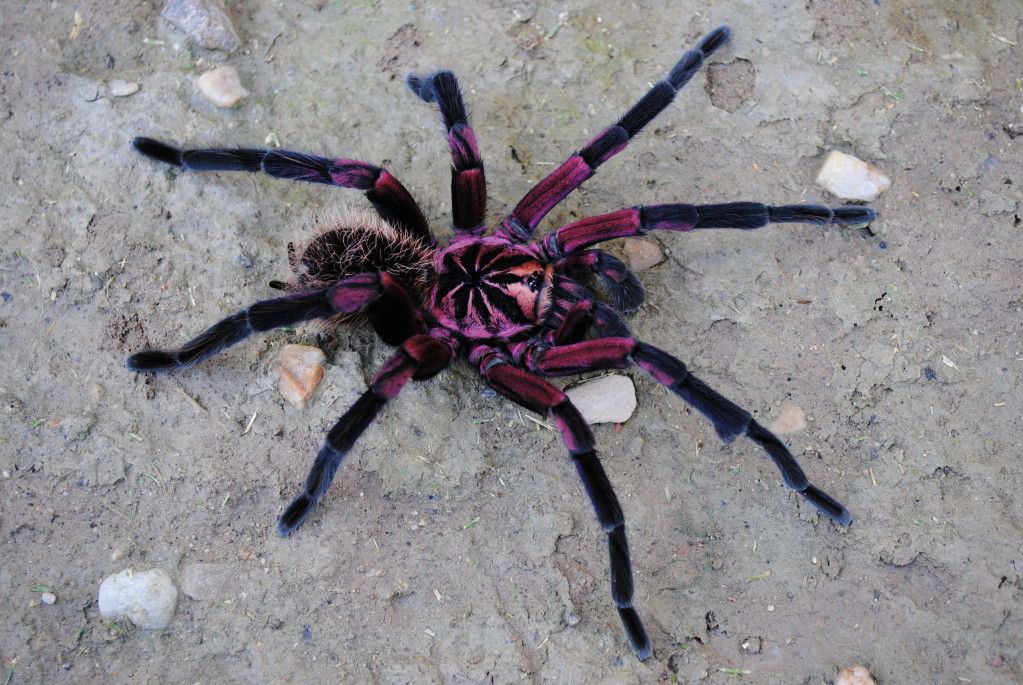
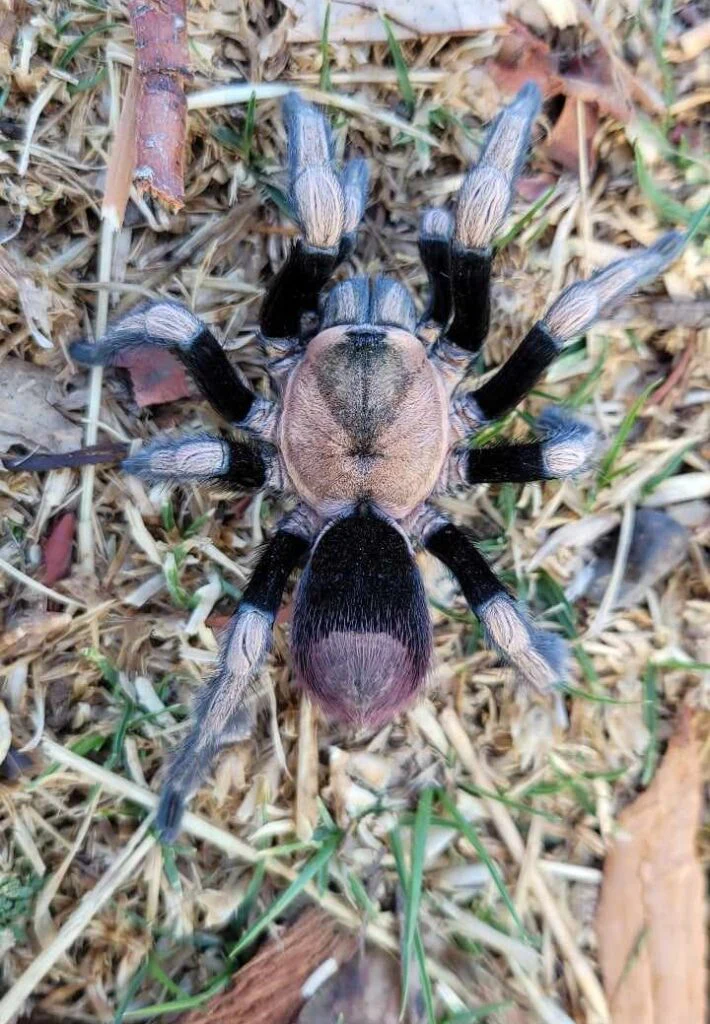
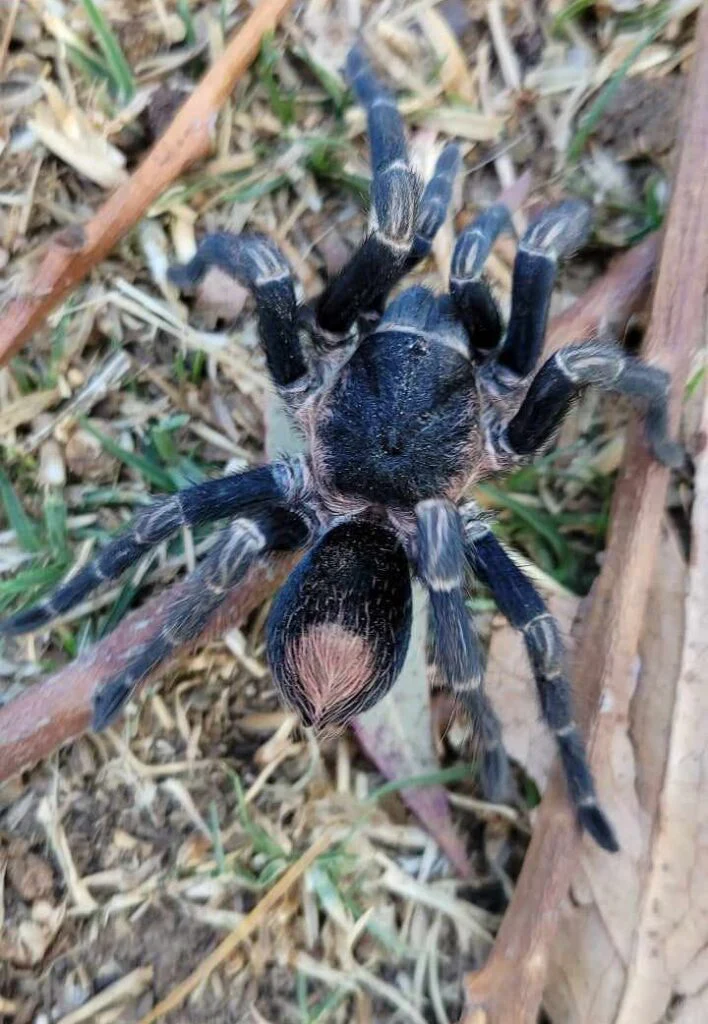
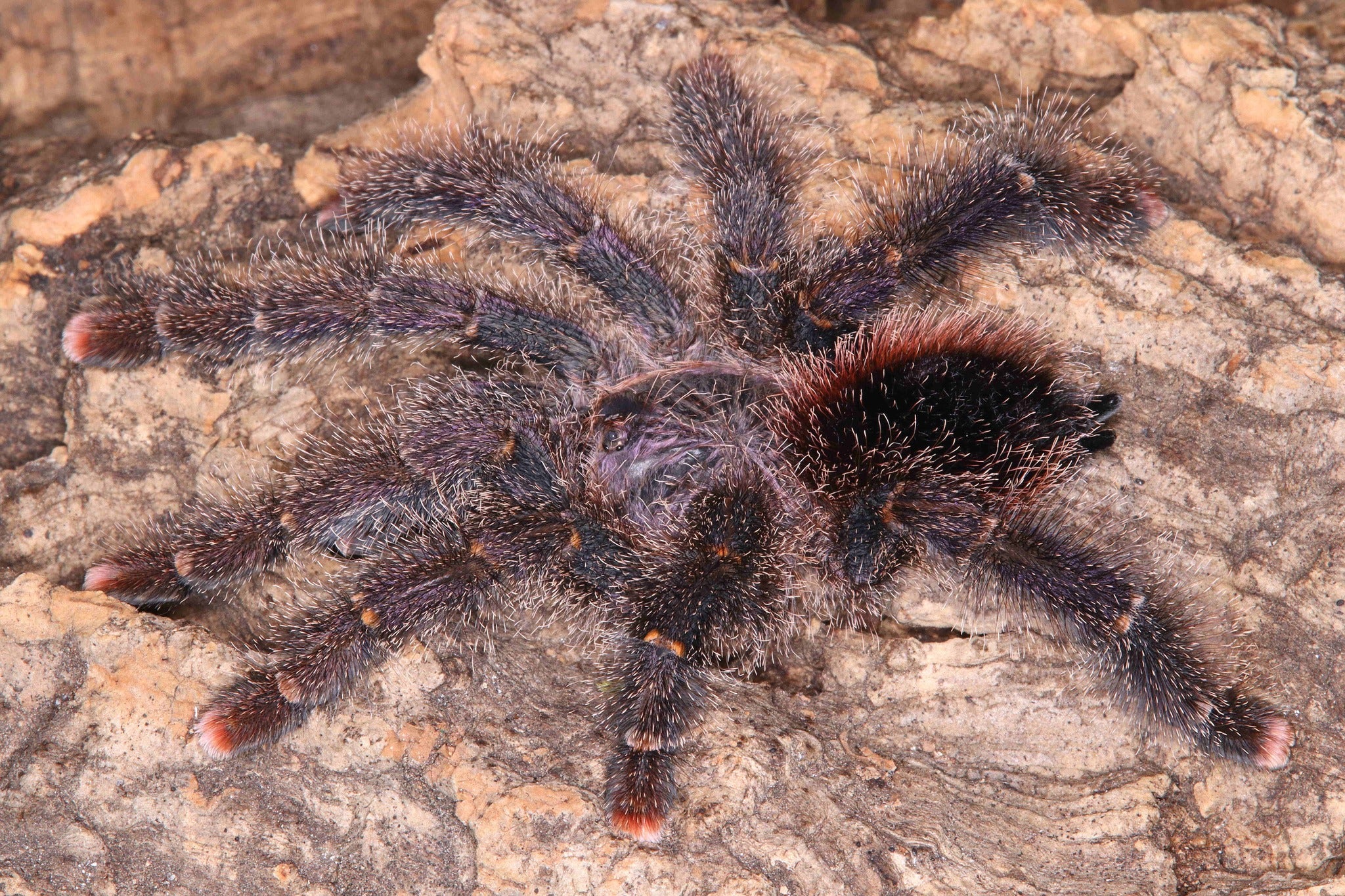
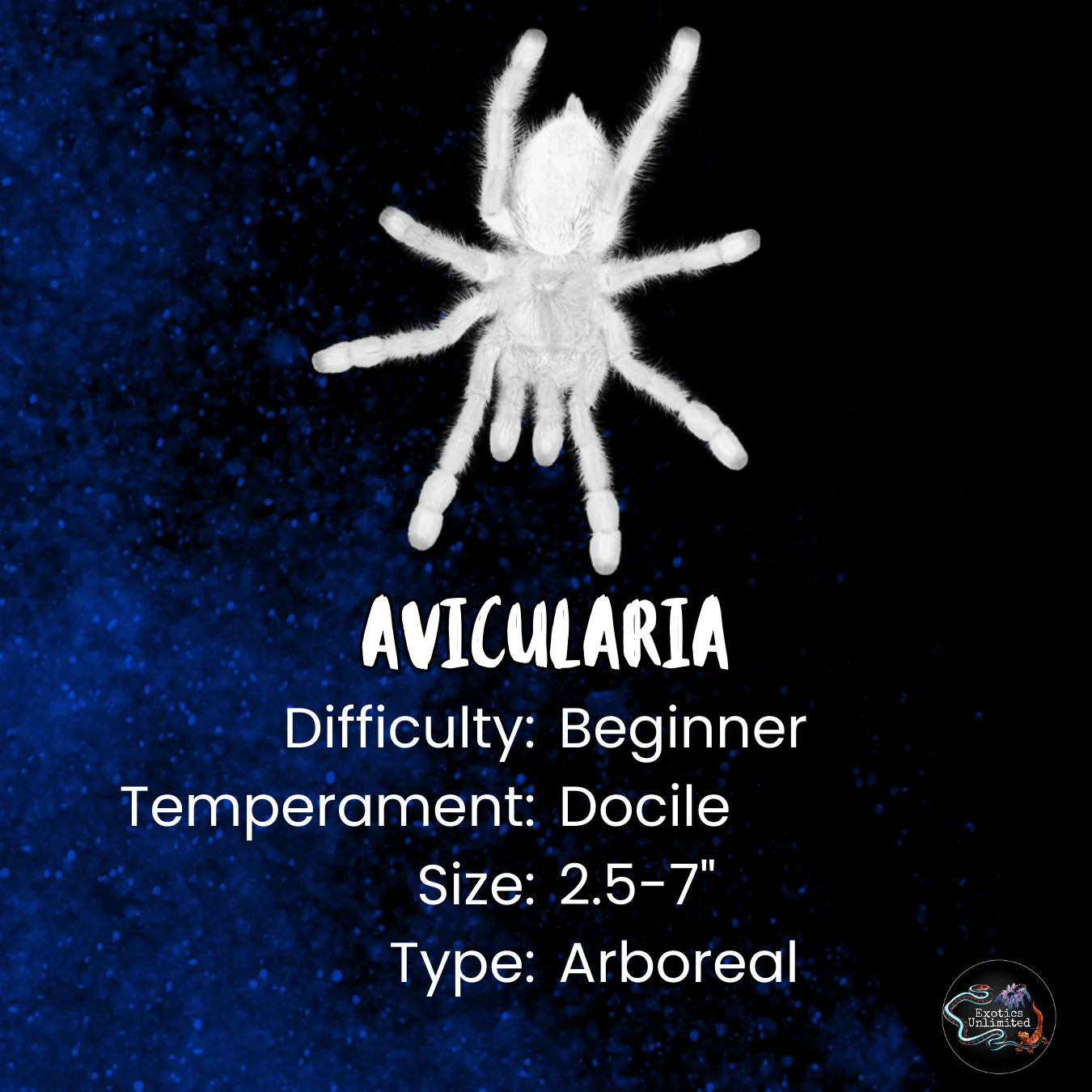
Avicularia bicegoi is one of the larger woolier pink toes, with spiderlings that still begin in the familiar pink-and-black common pink toe pattern before moving into a heavier adult look. Adults reach about 6.5 inches and have enough size and coat to feel more substantial than the smaller common pink toe species, which is part of why people remember them. The woolier look is a major part of the appeal, especially when combined with the long-legged arboreal frame typical of the group. Grab this New World tarantula for sale today if you want a classic pink toe species with extra size and a more dramatic overall look.
Why do hobbyists keep Avicularia bicegoi?
- Size: At about 6.5 inches, this is one of the larger pink toe types and carries much more physical presence than the smaller species.
- Wooly Appearance: The fuller, fluffier adult look is a major reason hobbyists are drawn to this species.
- Color Change Throughout Its Life: Babies still begin with the familiar pink-and-black common pink toe pattern before growing into the larger adult form.
- Docile Temperament: Despite the larger size, it still fits the calmer pink toe behavior profile people usually want from the group.
- Great Display Species: Large webbed adults can turn an arboreal enclosure into a very attractive active retreat system.
Care Overview
- Enclosure: Arboreal setup with roughly 2x the leg span as the footprint and 3x the leg span as the height, using bark and foliage to support strong upper retreat structure.
- Temperature: 65-75°F
- Humidity: Moderate to high humidity with slightly moist substrate and strong airflow, never stale.
- Diet: Feed crickets, roaches, or similar prey no larger than the tarantula's carapace (head). Larger juveniles and adults usually feed readily once settled.
Additional Notes or Considerations
- The larger adult size means structure matters even more, since cramped arboreal setups stop paying off quickly with big pink toe species.
- This is one of the species that helps separate the smaller pink toe types from the larger woolier forms in a genus overview.
Product Information
Product Information
Shipping & Returns
Shipping & Returns
Description
Avicularia bicegoi (Brazilian Wooly Pink Toe Tarantula)
Avicularia bicegoi is one of the larger woolier pink toes, with spiderlings that still begin in the familiar pink-and-black common pink toe pattern before moving into a heavier adult look. Adults reach about 6.5 inches and have enough size and coat to feel more substantial than the smaller common pink toe species, which is part of why people remember them. The woolier look is a major part of the appeal, especially when combined with the long-legged arboreal frame typical of the group. Grab this New World tarantula for sale today if you want a classic pink toe species with extra size and a more dramatic overall look.
Why do hobbyists keep Avicularia bicegoi?
- Size: At about 6.5 inches, this is one of the larger pink toe types and carries much more physical presence than the smaller species.
- Wooly Appearance: The fuller, fluffier adult look is a major reason hobbyists are drawn to this species.
- Color Change Throughout Its Life: Babies still begin with the familiar pink-and-black common pink toe pattern before growing into the larger adult form.
- Docile Temperament: Despite the larger size, it still fits the calmer pink toe behavior profile people usually want from the group.
- Great Display Species: Large webbed adults can turn an arboreal enclosure into a very attractive active retreat system.
Care Overview
- Enclosure: Arboreal setup with roughly 2x the leg span as the footprint and 3x the leg span as the height, using bark and foliage to support strong upper retreat structure.
- Temperature: 65-75°F
- Humidity: Moderate to high humidity with slightly moist substrate and strong airflow, never stale.
- Diet: Feed crickets, roaches, or similar prey no larger than the tarantula's carapace (head). Larger juveniles and adults usually feed readily once settled.
Additional Notes or Considerations
- The larger adult size means structure matters even more, since cramped arboreal setups stop paying off quickly with big pink toe species.
- This is one of the species that helps separate the smaller pink toe types from the larger woolier forms in a genus overview.